Being a property owner implies more responsibilities than keeping it clean. Systems that ensure the safety of the buildings, such as wiring, smoke detectors, plumbing, roofing, gas appliances, etc., can degrade with time and without noticeable symptoms. By not dealing with minor problems, one can face serious expenses and danger in the future. Taking care of performing annual safety checks will allow spotting any issues, keeping important systems in good condition, and protecting both inhabitants and investments. Below you will find ten safety checks that should be performed by property owners in Australia annually.
1. Test Smoke Detectors
Smoke detectors are among the most vital safety systems. Testing them takes minutes, but it allows detecting a fire in its initial stage. Even if the detector looks and sounds fine, its batteries degrade, and the sensors deteriorate with time.
Press the test button on each smoke detector to make sure it works. Pay attention to the date written on the unit. Most of them should be replaced every ten years; however, follow the guidelines provided by the manufacturer on checking and replacing them.
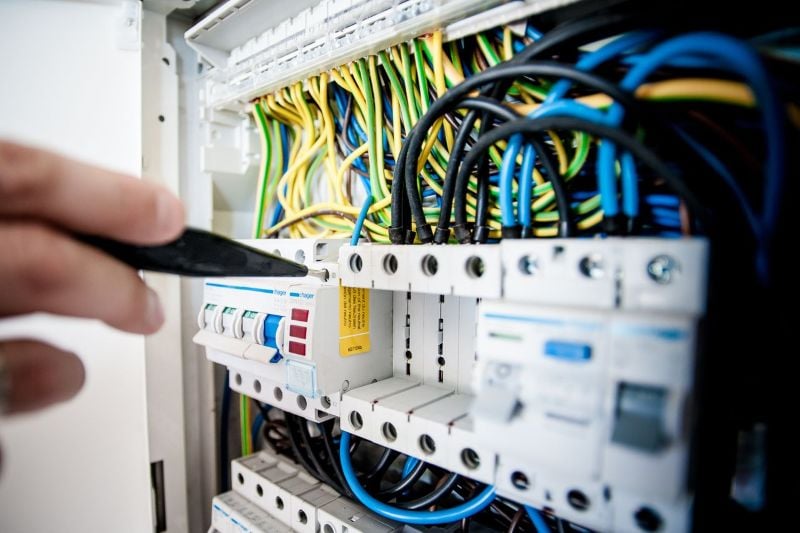
2. Inspect Electrical Connections and Switchboards
Electricity malfunctions usually start with some warning signals. For instance, feeling warmth from a power point, seeing flickering light, and hearing unusual noises from switches are some of those warning signs.
Additionally, inspect the switchboard for discolouration, corrosion, or burning smells – all these are signs that indicate potential problems and require the work of a licensed electrician.
3. Test Safety Switches and RCDs
The RCD or a safety switch disconnects the power supply in case of an electrical fault, thus preventing electric shock. Most of the safety switches are equipped with a built-in test button to make sure they trip properly. Follow the manufacturer's guidelines on how often the testing should be done.
The built-in test allows detecting the proper function of the mechanism itself but does not indicate the time it takes the RCD to disconnect the power. Professional RCD testing requires using special devices to measure the speed of this process, especially for old buildings or unreliable installations.
4. Check Gas Equipment and Ventilation
When functioning correctly, gas equipment will provide reliable service for many years. Nevertheless, connection points and seals wear out in time and can cause gas leaks. The rotten-egg smell in the vicinity of stoves, heaters, or water-heating systems indicates a problem of this kind and requires prompt action.
Moreover, proper ventilation is essential to ensure the safety of using gas appliances; hence, one should ensure that no leaves or dust have blocked ventilation systems.
5. Inspect the Roof, Gutters and Drainage
Water damage can develop silently, not being noticeable before requiring costly repair work. Clogged gutters full of leaves and debris may overflow during rainfalls and cause damage to fascias, walls and many other elements.
Inspect the roof, gutters and drainage systems at least once a year, especially after storms, making sure that water drains away from the foundations of the building.
6. Inspect Locks, Windows and External Doors
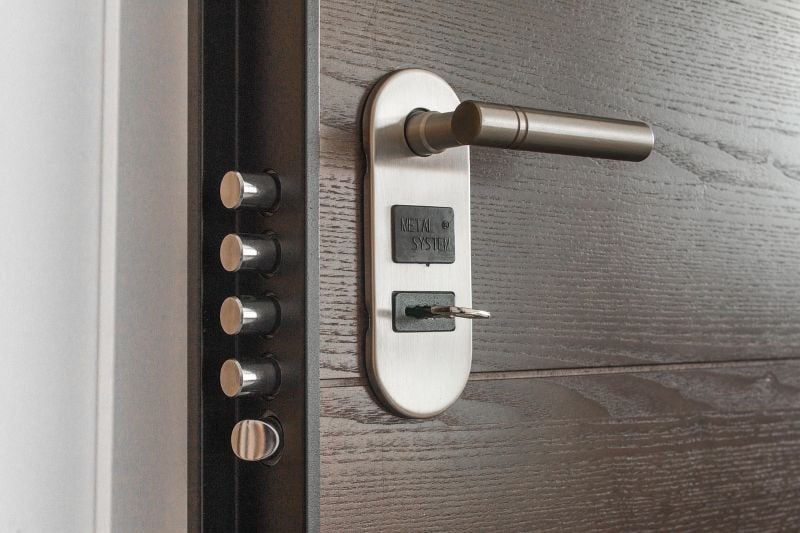
Like any other system, security cannot be overlooked. With time, locks, hinges and latches wear out from regular usage and weather conditions.
Inspect all external doors and windows available to open and lock, as well as the seals of windows and doors, because damaged ones allow drafts and moisture to enter the building, increasing the cost of heating and cooling.
7. Service Heating and Air-conditioning Systems
The systems that provide heating and cooling work effectively if regularly maintained. Dirty filters obstruct the airflow, spoil the indoor air quality, and increase the load of the system, wearing it down.
Clean or replace the filters following the manufacturer's guidelines and perform professional servicing if necessary. In case you have gas heating, pay attention to unusual smells, soot around the vent, and poor performance, and perform a check before using it.
8. Inspect Plumbing Problems and Changes in the Water Pressure
Minor plumbing problems can cause great expenses if left untreated. For example, a dripping tap or leaking pipe can be considered a minor issue, but it causes mould and damage over time.
Inspection of exposed pipes, places under sinks, and around the hot water system is required to detect leaks or corrosion. Sudden changes in the water pressure may indicate obstruction or hidden leaks and require inspection.
9. Checking Insulation and Finding Drafts
Drafts may occur through very small spaces between doors, windows, skirting boards and roof openings.
During the inspection of the attic or roof, ensure that there is sufficient insulation on the ceilings that have not been disturbed.
Elimination of air drafts and proper insulation help in making one feel comfortable and may help in lowering energy expenses.
10. Emergency Preparedness Review
All inspections need to review emergency preparedness plans. Should there be a fire extinguisher in your facility, ensure that it is functioning and not expired. Smoke detectors need to be checked, and all exits must be open and easy for occupants to cut off electrical, gas, and water supply in an emergency.
Sometimes emergency preparedness gets ignored; however, having one will go a long way in an emergency situation.
Include Annual Safety Checks in Your Maintenance Schedule
Properties rarely experience sudden major problems. Minor maintenance issues accumulate and can result in either costly repairs or a safety problem. Allocate time for annual inspection of systems in order to detect issues timely and protect people and investments.
Annual safety checks do not have to be difficult, just routine. Keeping maintenance as a regular procedure will help you to keep your property in good condition for many years ahead.