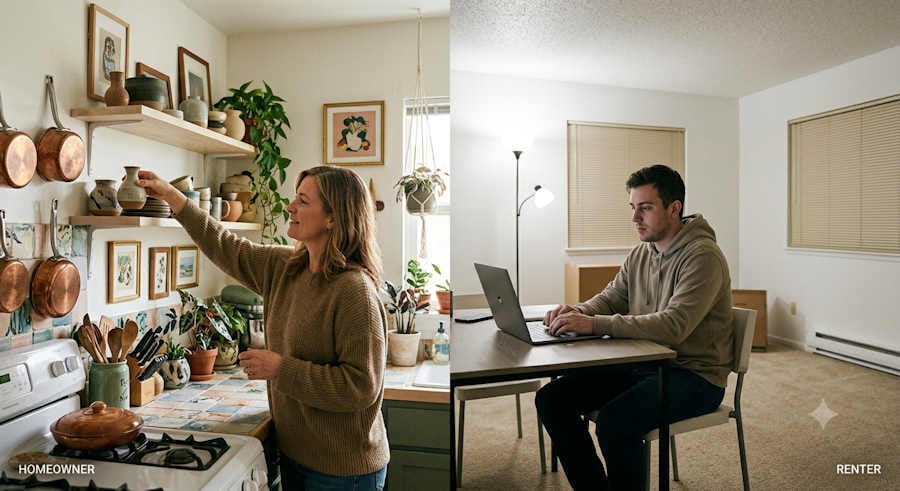
Step into the refreshing world of nature-inspired home decor, a leading trend poised to redefine interior styling in 2025. Homeowners are seeking ways to bring the tranquility and beauty of the outdoors inside, transforming their living spaces into serene, eco-friendly retreats. This movement emphasizes rich botanicals, earth-toned palettes, and sustainable materials, offering a calming counterbalance to the pace of modern urban life. As cities expand, the desire for a connection to nature grows, making lush greenery, reclaimed wood accents, and textures drawn from the earth more appealing than ever for creating a personal sanctuary.
This shift towards biophilic design is not just about aesthetics it's about enhancing well-being and creating spaces that feel both grounded and rejuvenating. Research supports the positive psychological effects of incorporating natural elements.
It has contributed to the rise of trends like "dopamine décor," which focuses on creating spaces that genuinely make you feel good. Whether you live in a spacious house or a compact city apartment, embracing nature-inspired decor offers a pathway to a more peaceful and restorative home environment.
What is Nature-Inspired Decor, and Why Is It Trending?
Nature-inspired decor, often discussed under the umbrella of biophilic design or organic modernism, centers on integrating natural elements, materials, forms, and patterns into interior spaces. The core idea is to strengthen the human connection to nature. This approach moves beyond simply placing a few plants.
According to Zillow's research, homes featuring elements of organic modernism—a style blending earthy textures with clean, modern lines—sell for up to 3.5% more. That translates to roughly $12,500 on a typical U.S. home.
The trend's rise is fuelled by a growing awareness of wellness and sustainability. After periods of uncertainty and increased time spent indoors, many want to create homes that serve as genuine sanctuaries. Incorporating elements from the outdoors satisfies a deep-seated human need to connect with nature and overall well-being.
Additionally, the emphasis on natural materials resonates with consumers' increasing environmental consciousness. The appeal is broad, influencing everything from color choices to furniture selection, which features light colors and playful, natural textures.
Key Elements of Nature-Inspired Interiors for 2025
|
Element |
Description |
|
Earth Tones |
Natural color palettes that evoke outdoor landscapes, creating a calming effect. |
|
Greenery |
Incorporation of indoor plants, living walls, and botanical elements for freshness. |
|
Sustainable Materials |
Preference for eco-friendly materials like reclaimed wood, bamboo, and recycled stone. |
|
Natural Textures |
Variation in textures such as rough-hewn wood and smooth river stones to add depth. |
Embracing Earth Tones and Natural Palettes
Color is vital in setting a nature-inspired tone. Earthy palettes—think shades of green, brown, terracotta, sand, and muted blues—form the foundation, creating a calming and grounding effect. These hues mimic natural landscapes, from forests and mountains to deserts and coastlines.
For Spring 2025, Natasha Jain, Co-Founder of Natelier by Bent Chair, suggests highlighting vibrant yet sophisticated hues like emerald greens alongside muted neutral tones to evoke renewal. Incorporating nature-inspired maximalist trends might even involve bolder choices like mossy greens and marbled blues, used thoughtfully through patterns and textures, as suggested by design experts at Ruggable. The goal is to create a palette that feels organic and soothing.
Incorporating Lush Greenery and Botanicals
Living plants are perhaps the most direct way to bring nature indoors. Houseplants add visual appeal, and boost mood. Beyond individual pots, trends include vertical gardens and living walls, which make a stunning statement, especially in smaller spaces.
According to Livingetc, innovative indoor plant wall ideas, such as moss walls, add texture, a pop of lush green, and improve air quality. Botanical influences also extend to patterns in textiles, wallpaper, and art. A current trend involves applying botanical prints and wildlife-inspired motifs to ceilings, drawing the eye upward and creating an immersive natural feel.
Utilizing Sustainable and Organic Materials
Material choices are central to nature-inspired design, and natural origins. Wood, stone, bamboo, rattan, cork, and natural fibers like cotton, linen, wool, and jute are favored. These materials add warmth, texture, and connection to the earth.
In India, for example, high-end homes increasingly embrace sustainable materials such as bamboo, recycled stone, and reclaimed wood. Sustainable wood furniture, including pieces made from reclaimed timber or fast-growing bamboo, is a leading 2025 trend for its eco-friendliness. Innovations like Cross-Laminated Timber (CLT), used in projects like the CLT House by nARCHITECTS, showcase ecological sensitivity merging with modern design principles.
Adding Natural Textures and Shapes
Texture adds depth, mimicking the varied surfaces found in nature. Think rough-hewn wood, smooth river stones, and subtly textured plaster walls like Venetian plaster.
Incorporating a variety of textures makes a space more engaging and tactile. Beyond texture, organic shapes are gaining prominence over rigid, straight lines. Curved furniture, like sofas with soft edges reflects natural contours and promotes a sense of flow.
Experts at Houzz highlight that rounded furnishings are a key trend, softening interiors and contributing to a more relaxed atmosphere.
How Can You Bring Nature Into Your Home?
Incorporating nature elements into your home doesn't require a complete overhaul. Depending on your space and style, you can start with small touches. The key is to be intentional about creating connections to the natural world. From apartments to large houses, there are accessible ways to embrace this revitalizing trend.
Starting Small: Tips for Any Space
Even limited spaces can benefit from nature's touch. Begin with indoor plants suited to your light conditions creates a mini garden feel. Introduce nature-themed artwork depicting landscapes or botanical illustrations.
Use natural fiber accessories like jute rugs, linen cushions, or terracotta planters. Vertical gardens or wall-mounted planters are excellent solutions for adding greenery. When arranging furniture in smaller rooms, designers advise against pushing everything against the walls highlighted by experts discussing décor mistakes in small spaces.
Making Bigger Changes: Furniture and Finishes
Consider furniture made from natural materials like reclaimed wood, bamboo, or rattan for a more significant impact. Opt for finishes countertops or bamboo flooring.
Choose upholstery and curtains in eco-friendly fabrics like organic cotton, linen available in beautiful earth tones. The trend towards casually comfortable furniture featuring ergonomic designs and relaxed, welcoming vibe. Selecting stylish and comfortable pieces enhances the home's sanctuary.
Blurring Indoor-Outdoor Boundaries
Enabling the seamless outdoor and indoor transition is a hallmark of modern design. Maximize natural light by having large windows or glass doors. If you have a balcony treat it as an extension of your living space. Using similar materials or color palettes in both areas can enhance the connection.
Biophilic design principles emphasize this blurring of boundaries. Even improving your front yard landscaping options like gravel can enhance curb appeal offering aesthetic benefits with less upkeep.
Maintaining Your Nature-Inspired Sanctuary: The Importance of Pest Control
Embracing decor by bringing plants and organic materials indoors undoubtedly enhances the beauty of your home. However, these wonderful natural elements can sometimes invite unwanted guests.
Indoor plants might attract fungus gnats, stored firewood could harbor spiders or beetles, and natural fibers might appeal to moths or silverfish. Maintaining the peaceful sanctuary you've created means ensuring it remains free from common household pests and potentially cause damage.
Proactive pest management becomes essential in homes. It means partnering with professionals who understand how to protect your home effectively.
Reliable pest control services provide targeted pest solutions focusing on customer care. Their approach begins with identifying specific pest issues and potential entry points during an initial visit. Technicians then apply treatments to the interior and exterior to eliminate existing pests and prevent future infestations.
Choosing a reliable pest control service offers peace of mind, ensuring that your haven remains a place of relaxation. For example, promises that "if pests come back, so do we," with complimentary re-treatments between scheduled visits if needed. Covering over 1,300 cities and equipped to handle more than 47 common pests—including ants, spiders, cockroaches, rodents, and mosquitoes—their solutions ensure that homeowners can fully enjoy the a home connected to nature.
Is Nature-Inspired Decor a Good Investment?
As preferences shift towards homes that offer comfort, sustainability, these values are becoming increasingly desirable. Investing in natural materials and biophilic design principles is not just personally rewarding but can potentially yield a tangible return.
The growing emphasis on sustainability further bolsters the investment case. Incorporating elements like reclaimed wood, bamboo flooring, aligns with these values, making a home more attractive to eco-conscious buyers. The style known as organic modernism. It is proving particularly successful in capturing buyer interest and boosting property values.
Ultimately, transforming your home with nature-inspired decor offers a multitude of benefits. It creates a living space that promotes well-being, and a profound connection. Key elements like earth tones, lush greenery and organic textures work together to craft beautiful interiors.
Whether implemented through small accessories or larger renovations, this trend provides flexible home enhancement. As homeowners prioritize comfort and nurturing spaces, nature-inspired design is a meaningful approach to modern living.