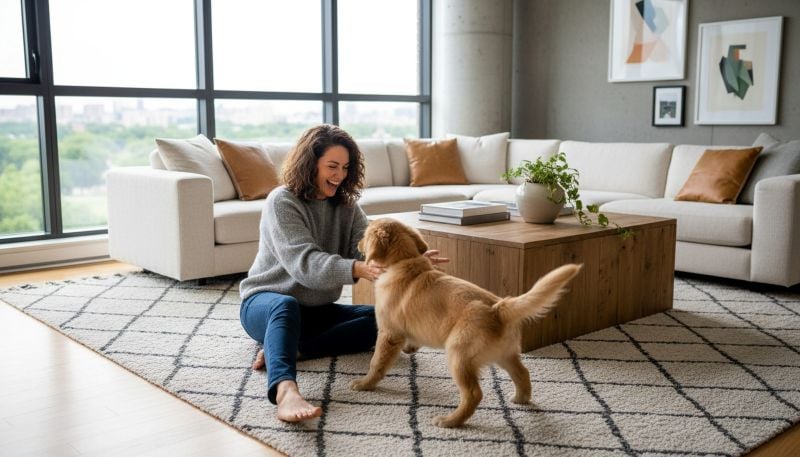
In recent years, a new trend has emerged in home design, and it’s called “barkitecture.” What began as a niche interest focused on creating aesthetically pleasing dog houses has grown into a full-fledged movement that looks poised to reshape how homes are built and renovated. Now that more and more pet owners are willing to invest substantially in their animals’ care, barkitecture extends far beyond providing canines with simple, but reliable accommodations. It reflects a broader cultural shift toward making homes more inclusive, comfortable, and practical for both humans and their furry companions.
Today’s barkitecture integrates pet-friendly elements into all areas of the home, from custom made dog beds that blend with modern decor to built-in feeding stations, mudroom dog wash stations, and even automatic dog doors. On top of being convenient, these additions speak to the growing demand for stylish solutions that can complement a home’s overall aesthetic. As more households seek to build their ideal home life with their pets firmly in mind, these thoughtful design elements are likely to become key features in both new constructions and renovations.
This article will explore the key aspects of barkitecture that are reshaping the real estate market. Here are some valuable insights for realtors, developers, and buyers alike:
1) Pet Ownership Is Now a Lifestyle
Pet ownership in contemporary times has transcended being a mere hobby. It’s now a lifestyle that today’s pet parents are making major decisions around. Most pet owners today view their pets as members of their families. This means, in turn, that their pets’ needs and comfort have become as central to the home-buying process as those of any human loved one.
As a result of this cultural shift, pet ownership will entail more than simply having a dog bed in the corner and ending it at that. It will remain a top priority for many homebuyers to look for pet-friendly features in the houses and apartments they view. These might include spacious yards, built-in pet furniture, or dedicated spaces like pet rooms, among others.
2) Pet-Friendly Features Boost Property Value
The value of properties equipped with pet-friendly features is rising right alongside the demand for them. Homeowners are now keenly aware of how their properties can be modified to accommodate both human and animal family members. Pet-related amenities such as dog wash stations, under-the-stairs pet nooks, and custom feeding areas unquestionably make day-to-day life easier—and they also serve as selling points when the property is listed on the market.
A growing number of potential buyers specifically seek homes that include these features, and many are willing to pay more for them. A study conducted by realtor.com, for instance, found that 82 percent of surveyed buyers specifically look for pet-friendly features when buying a home, while 43 percent said they would consider moving to a home that could better meet their pets’ needs. Seen from this perspective, pet-centric features are as much investments in the home's future market value as they are ways to improve quality of life for current owners.
3) Pet Owners Value Customization and Flexibility
“One-size-fits-all” doesn’t work when it comes to homes designed for pets like dogs. Modern dog parents, in particular, want flexible living spaces that they can easily customize to suit their specific requirements for dog ownership. No longer content with basic pet beds or off-the-shelf solutions, they seek personalized touches that reflect both their pets’ individuality and their desired home design. These might come in the form of bespoke furniture that complements a room’s style, specially designed pet nooks, and more.
Technology has also played a role in this customization trend. Features like tech-savvy dog doors, which open only when sensing a pet’s collar, serve as both secure and convenient additions to a pet-friendly home. These solutions make it easier for homeowners to care for their pets and make daily living a seamless experience that feels natural to both the pets and their owners. Realtors and developers would do well to recognize the importance of these customizable elements, as they can significantly enhance a home’s appeal to pet-owning buyers.
4) Community Amenities Matter
The home itself is just one part of the equation for pet owners. They’ll be looking just as closely at the surrounding neighborhood and the amenities it offers. In fact, the availability of accessible outdoor areas where pets can exercise and socialize has become a key factor in determining where pet owners choose to live. Communities that prioritize green spaces, dog parks, and walking trails are particularly attractive to homebuyers with pets.
Some master-planned communities go a step further by organizing social events like “Yappy Hours” and dog costume contests to cultivate a sense of community among pet owners. Neighborhood perks like these can enhance the overall living experience for both pets and their owners, and they can definitely make it easier for realtors to market homes in pet-friendly communities. For buyers, proximity to these amenities can be the deciding factor when choosing between properties, especially if they have multiple pets or larger breeds that require regular outdoor activity.
5) Some Materials Are Pet-Friendlier Than Others
It’s also important to choose the right materials when building a pet-friendly home. In general, pet owners want surfaces that withstand daily pet activity while keeping their home looking polished and inviting. Hard flooring—such as luxury vinyl planks, ceramic tiles, or stone—is typically favored for its durability and ease of cleaning. These materials stand up well to the wear and tear associated with pet ownership, like muddy paws to claws, without sacrificing aesthetic value.
Carpet, on the other hand, presents more challenges. If pet owners opt for carpet, choosing a sturdy, stain-resistant option, such as a Berber-style, can help maintain the carpet’s longevity. Another option is adding upgraded rug pads, which prevent liquids from soaking through and make cleaning up after accidents easier.
These days, homes designed with pets in mind aren’t just a luxury, but the new standard in themselves. Developers that can fully understand the demand for barkitecture and what it entails will place themselves in the best position to capitalize on this real estate trend. With this knowledge at their disposal, those in the real estate sector can work towards and developing and selling stylish, practical homes that benefit both humans and their pets.