Dreaming about a lake house with a dock out back?
It's a nice dream. Peaceful mornings with coffee on deck. Water thirty seconds from the door. But vacation homes always have that little something….. that's never photographed for the listing.
Pets are a hobby, income source and second mortgage combined.
Most first-time buyers swoon over the view and ignore the rest. Reality shows up sometime around month three. The good news is every one of these problems is solvable — if you know about them upfront.
Here's what actually matters.
What you'll pick up:
-
- Storing The Toys That Come with the House
- Why Location Beats the House Itself
- Running The Real Numbers
- Renting It Out (Or Leaving It Empty)
- Looking After A Place You Don't Live In
Storing the Toys That Come with the House
Purchase waterfront property and something always comes along with it. Usually a boat. Jet skis. Canoes, kayaks, paddleboards, a trailer, a truck to pull said trailer...
Then the season ends and all of it needs somewhere to live.
New owners learn this lesson all the time. Driveways get crowded. Many vacation areas have HOA guidelines prohibiting trailers and boats parked in view. And storing a hull outside during a hard freeze can be a costly realization. Boat storage at self-storage units solves this issue for much less than most realize. And it makes sense to get quotes before you buy rather than after you need it. Cover your investment from sun, ice, and storm damage with covered and indoor storage units. Plus, most facilities are located near high-traffic launch sites, so you can store your boat fifteen minutes from the ramp rather than towing it across the country twice a season.
Get the size right. Statistics indicate 95% of vessels in US waters are less than 26 feet, meaning most boat owners are buying a trailerable boat that fits into a typical outdoor or covered area.
Here's a general guideline: Measure from tongue to motor with boat on trailer. Add three feet to that. That's your unit length.
Location Beats the House Every Single Time
You can renovate a kitchen. You can't move a house.
Vacation real estate is unique in that so much of the value is derived from externalities — the lake, the mountain, the commute, the village. A rundown cabin in a coveted location will trump a handsome development in a bland one, almost universally.
Ask these questions before falling in love:
-
- How long is the drive from home, door to door?
- Is the area busy year-round or dead for eight months?
- What happens to the roads in winter?
- Are short-term rentals allowed, restricted, or about to be?
One bites you right back. Cities alter their rental regulations all the time, and an investment that solely relies on rental income can become a pricey vacation shack in an instant.
Drive time is more important to buyers than they think, as well. If it takes more than three hours, you'll see far less traffic than expected. The properties that end up getting utilized are those you can drive to Friday night and not dread the drive.
Run The Real Numbers, Not the Fun Ones
Here's where most first-timers get burned.
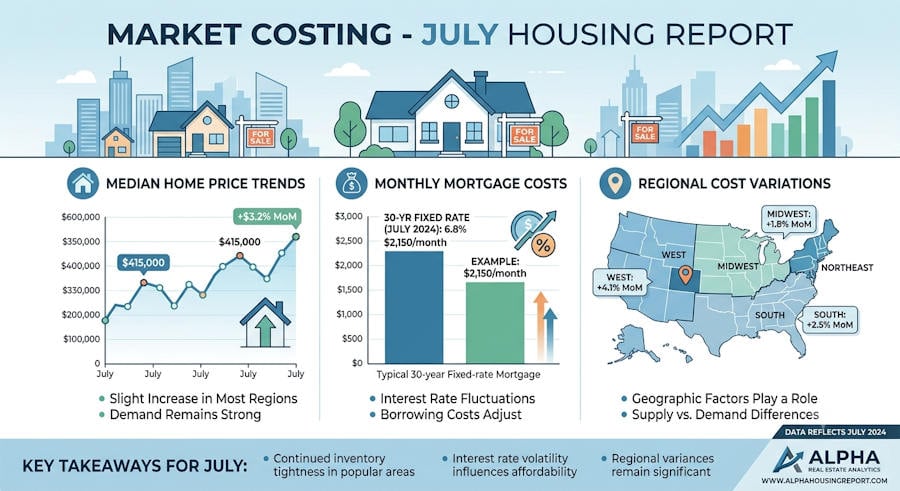
The mortgage is the easy part. It's everything piled on top of that silently doubles ownership costs:
-
- Property taxes, which are often higher for non-residents
- Insurance — flood, wind and hurricane cover can be brutal near water
- HOA or community fees
- Utilities running through empty months
- Maintenance, cleaning and lawn care
- Dock fees, storage and seasonal servicing
Second-home mortgages also tend to be more expensive than the mortgage on your primary residence. Financial institutions view second homes as riskier investments, so plan on putting down a larger down payment and receiving a higher rate in return. According to Redfin, the vast majority of second-home mortgages went to high-income buyers. Consider yourself informed on how tight lending standards have become.
Plan your budget around a bad year, not a good one. One year with a slow rental season, a busted furnace and a roof repair isn't freakish. It's expected.
Renting It Out (Or Leaving It Empty)
About 50% of second-home owners rent out their home eventually. It can work great. Just know what you're getting into.
Renting rooms isn't passive. There's bookings, turnovers, broken dishwashers, and guests locking themselves out at 11 pm. Either you give up your weekends, or somewhere around 20-30% of your revenue to a management company.
There is also the personal side of it. Your best rental weeks are typically the weeks you would most like to be there yourself. Holidays, long weekends, high summer. Knowing ahead of time how many weeks you want to stay off the calendar prevents a larger argument down the road.
What if you don't want to rent at all? That's ok too. Just don't purchase a property that requires a paying occupant.
Looking After a Home You Don't Live In
Empty houses go wrong quietly.
A slow leak in an occupied house equals a puddle. In a vacation home, it means four months' worth of water damage nobody knew about. That's why remote homeowners rely on a few key elements:
-
- A local caretaker or a neighbour with a key
- Smart water shut-offs, leak sensors and temperature alerts
- Cameras and a monitored alarm
- A written seasonal checklist for opening and closing the place
Winterisation is more important than most new owners think. Draining pipes, servicing the heater, clearing gutters, pulling the dock plug — it's not glamorous but failing to do one thing will cost you thousands.
Invest in real relationships early on. A plumber you trust, an electrician you know, a handyman and a cleaner you actually like are worth more than any device you can buy.
How Common Is This, Really?
More common than you'd think.
Vacation homes represent about 5% to 8% of annual U.S. home sales. Confidence Index found. The country has approximately 5.7 million second homes, mostly located in Florida, California, Michigan and the Carolinas.
So there's a well-worn path here. Plenty of people make it work.
Final Thoughts Before You Sign
A vacation home is an investment wearing a lifestyle outfit. Invest in it like one. Live in it like the others.
Pick the location first, it's the only thing you can't change later. Budget for the worst realistic year, rather than the best. Tackle the mundane early on - storage for boat and trailer, local contact, winterising process. It's the little things that make your second property a pain or a pleasure.
Do that, and the coffee-on-the-deck version of the dream is very much real.
Just make sure the numbers work before the view does.