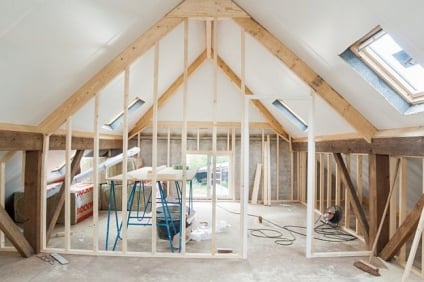
Amidst the nationwide housing crisis, Western Australia has taken decisive action to confront the challenges head-on. Policymakers have embarked on a significant endeavour to enact meaningful change and alleviate the pressing housing shortage.
One pivotal step in this endeavour involves relaxing regulations governing the construction of granny flats. Let’s explore what these changes mean for residents and how they could impact the broader housing market in Australia.
Recent Changes to Regulations
With the newly introduced reforms, homeowners won't have to go through long council approval processes to construct granny flats up to 70 square metres in size, as long as they meet setback requirements. This move marks a departure from the previous system, which imposed strict regulations and minimum lot size requirements, limiting the accessibility of granny flat construction for many residents.
Planning Minister John Carey emphasised the government's commitment to addressing the housing shortage, describing granny flats as a practical and affordable solution. By removing unnecessary barriers to construction, the government aims to unlock the potential of granny flats to meet diverse housing needs, from rental properties to accommodation for elderly family members.
Notably, the reforms also relax parking requirements, recognising evolving transportation patterns and the need for flexible housing solutions. While concerns have been raised about potential impacts on tree canopy coverage and neighbourhood dynamics, Carey assured that other conditions must still be met to ensure responsible development.
The announcement has been met with enthusiasm from industry experts and stakeholders, who see the reforms as a positive step towards alleviating housing shortages in Western Australia and across the nation. Summit Homes, a major Western Australian builder, has seen a nearly 125% rise in demand for their granny flat designs.
Vanessa Rader, head of research at Ray White, emphasised the flexibility that granny flats offer landowners and their potential to address housing shortages on a broader scale.
However, while granny flats are attractive for homeowners seeking additional income or accommodation, considerations such as the impact on yard space and security concerns must be made.
Adrian Sutton, general manager of renovations, developments, and granny flats at Summit Homes, anticipates a surge in enquiries following the announcement but acknowledges the varying approval processes across different councils.
Reasons Behind the Changes
The decision to implement changes in regulations regarding granny flats in Western Australia is underpinned by a series of compelling reasons. Firstly, the state grapples with a multifaceted housing crisis precipitated by rapid population growth, urbanisation, and soaring property prices.
Traditional housing options have become increasingly unattainable for many residents, particularly those with limited financial means. Granny flats offer a pragmatic solution to this complex issue by providing additional housing stock without requiring extensive land development.
By easing restrictions on their construction, policymakers aim to stimulate housing supply, increase rental options, and enhance affordability for residents across various income brackets. These changes signify a concerted effort to address the root causes of the housing crisis and create a more inclusive and accessible housing market for all Western Australians.
Implications for Other States in Australia
Western Australia's changes in granny flat regulations offer helpful ideas for other states dealing with housing issues. By making it easier to build granny flats, states can provide more housing without using up lots of land.
Hence, this can help tackle the lack of affordable homes. It also encourages building in existing urban areas, which can save money and be better for the environment. Looking at what Western Australia did can help other states find intelligent ways to solve their housing problems.
Global Relevance
The housing crisis that many global cities face are not unique to Australia. Around the world, skyrocketing property prices and stagnant wages have made it increasingly difficult for people to find affordable housing. In this context, the steps taken by the Western Australian government to embrace granny flats as a solution to expand housing options offer valuable lessons for policymakers worldwide.
By reimagining regulatory frameworks and promoting alternative housing models like granny flats, cities worldwide can work towards creating more inclusive, resilient, and sustainable urban environments.
Granny flats represent a simple, cost-effective way to add housing stock without extensive land development. It can be especially beneficial in densely populated urban areas with limited space and high housing demand.
Furthermore, adopting granny flats can foster community resilience by allowing for multi-generational living arrangements and providing affordable housing options for diverse residents. By encouraging the development of granny flats, cities can address affordability challenges while promoting social cohesion and inclusivity.
The Western Australian government's approach serves as a valuable example of how innovative housing solutions can be implemented to address pressing urban challenges. As cities worldwide grapple with housing affordability issues, they can draw inspiration from Western Australia's experience and explore the potential of granny flats to create more liveable, sustainable, and equitable communities.
Final Thoughts
As Western Australia takes bold steps to ease granny flat regulations amid the housing crisis, it's clear that proactive solutions are within reach. Let's seize this momentum and work together to create a housing landscape that serves the needs of all residents, fosters vibrant communities, and ensures that everyone has a place to call home. The time for action is now.