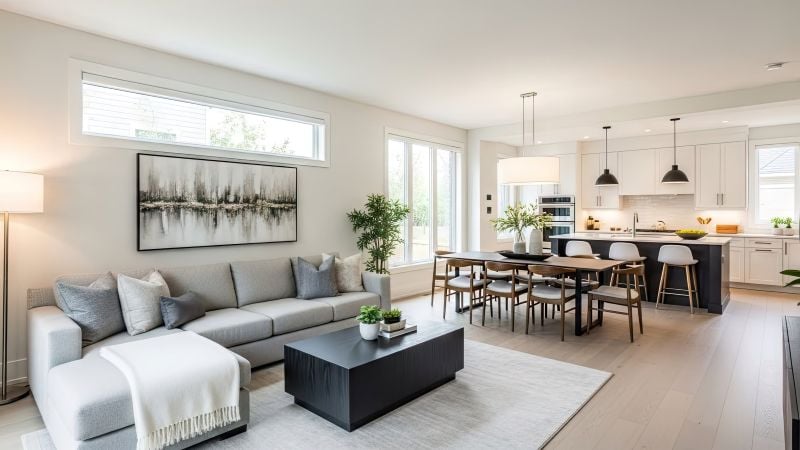
You step into a bright kitchen, notice the clean worktop, and can already picture your coffee cup beside the window. Then you see the asking price. It feels manageable, perhaps even tempting. Yet that single figure cannot tell you what owning the place will actually feel like. You need to compare the quieter details too: the bills, the building’s condition, and how comfortably the home fits your ordinary routines.
The monthly cost deserves a proper look
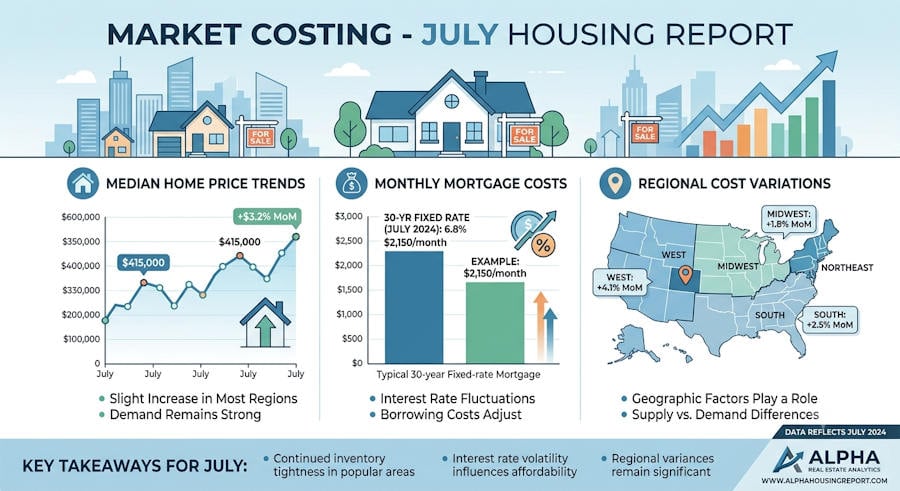
The purchase price gets attention because it dominates the listing. Your regular outgoings arrive more quietly, but you will live with them.
Bills that follow the property
Check the likely energy use, local charges, insurance terms, and any shared maintenance fees. A draughty room or older heating system may shape your budget differently from a newer setup. Ask to see available bills and certificates, then compare like with like. Honestly, polished photographs tell you very little about February mornings.
Finance that still leaves room to live
Your monthly payment should sit comfortably beside food, travel, savings, and the bits of life that refuse tidy planning. A lender may approve an amount that feels possible.
That does not make it pleasant.
And a lower purchase price can lose its appeal if the financing terms feel tight.
Look past fresh paint
Viewings reward surfaces. Fresh walls catch your eye, while doors, drainage, and ventilation barely get a glance unless you slow down.
The survey tells a fuller story
A survey can reveal movement, damp patterns, roof wear, or dated wiring before you start arranging furniture. You should read the details, not just the summary. Hairline settlement cracks, for example, are not automatically dramatic, but their position and pattern matter. That sort of nuance rarely survives a quick viewing.
Work you would actually choose
Some homes need changes to match your requirements, taste, or dreams, and these improvements can cost more than expected. If your plans stretch beyond your available cash, a Renovation Loan may be worth comparing with other funding options.
The layout on an ordinary Tuesday
Stand where coats would gather. Picture groceries coming through the door, a call taken from home, or someone sleeping while another person cooks.
Does the layout still work?
Weirdly enough, a generous room can feel awkward once you notice where every doorway cuts across it.
The address has its own price
You are buying access as much as walls. The same-looking home can support a completely different routine depending on what sits beyond the front gate.
Try the journey, not the map
Walk the route to transport, shops, schools, or the places you visit without thinking. A map hides steep streets, difficult crossings, and the awkward stretch where the pavement disappears. Visit at the hours that matter to you — noise and parking can shift without the property changing at all.
Pay attention to what cannot move
Paint can change. A narrow access road, limited daylight, or a nearby late-night venue cannot be rearranged so easily.
You may accept any of those happily. The point is to notice them before the excitement starts making decisions for you.
Give the decision a little air
Once you have compared the money, condition, and daily fit, leave the property alone for a moment. Your first reaction matters, but it can crowd out practical details.
Return to your notes and mark what feels genuinely useful, what merely looked appealing, and what remains unclear. A second viewing often feels less theatrical.
But no home will win every comparison. You are really choosing which compromises suit your habits and which ones may keep tugging at you later.
The asking price starts the conversation. Your own routine finishes it, although perhaps not neatly, and that unfinished feeling may be worth listening to.