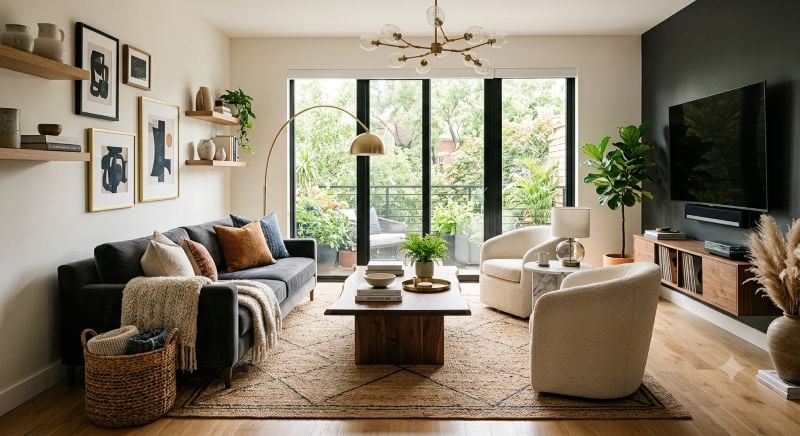
There is plenty to admire about a new build home. Crisp architectural lines, modern layouts, energy-efficient construction, and untouched finishes all provide an excellent starting point. They offer homeowners a blank canvas and the opportunity to shape a home around their lifestyle from day one.
Yet many new build properties share a common challenge. Despite their modern appearance, they can often feel impersonal or unfinished once construction is complete. The structure may be there, but the warmth, character, and cohesion that transform a house into a home are still missing.
Creating that sense of belonging requires far more than decorating walls or filling rooms with furniture. It comes from thoughtful planning, careful material selection, and a clear understanding of how every element should work together.
A Blank Canvas Can Feel Overwhelming
Starting with an empty home sounds appealing, but it can also present its own challenges.
Without an established design direction, homeowners are faced with hundreds of decisions, often made independently over months or even years. Flooring, lighting, furniture, artwork, window treatments, and accessories are selected one at a time, frequently without considering how each choice contributes to the overall home.
While every purchase may be attractive on its own, the finished result can lack consistency.
The strongest interiors are rarely built around individual pieces. Instead, they begin with a clear vision that guides every decision throughout the project.
Character Doesn't Come as Standard
New build homes provide a modern framework, but personality is something that must be introduced intentionally.
Architectural details found in older homes, such as original timber features, decorative mouldings, or historic materials, are often absent from contemporary construction. That isn't a disadvantage, but it does mean that warmth and identity need to be created in different ways.
Texture plays an important role.
Natural materials such as timber, stone, linen, and wool soften clean architectural lines. Layered lighting creates atmosphere throughout the day, while carefully chosen colour palettes add depth without overwhelming the space.
Rather than relying on trends, successful interiors establish character through thoughtful composition and timeless design choices.
Every Room Should Feel Connected
One of the defining characteristics of a well-designed home is continuity.
Moving from one room to another should feel effortless. Materials, finishes, proportions, and colours should relate to one another, creating a sense that the entire property has been designed as a single experience.
This doesn't mean every room needs to look identical. Individual spaces should still reflect their own purpose and personality. However, there should always be subtle links that tie everything together.
Without that consistency, homes can quickly begin to feel like a collection of unrelated rooms rather than one cohesive environment.
Furniture Should Be Part of the Plan
Furniture is often treated as the final stage of a project, purchased after construction has finished and decorating is complete.
In reality, furniture has a significant influence on how a home functions.
The size of a dining table affects circulation. A sofa determines conversation areas. Storage pieces influence how organised a home remains over time.
This is why furniture & interior design work most effectively when considered together rather than separately. Knowing how spaces will be furnished helps shape layouts, lighting, and even architectural decisions long before move-in day.
When furniture is integrated into the overall design strategy, rooms feel balanced and purposeful rather than simply occupied.
Function Is Just as Important as Appearance
A beautiful home still needs to support everyday life.
Storage should be easy to access.
Lighting should adapt to different activities.
Living spaces should encourage conversation while remaining practical for family life.
Kitchens should simplify daily routines rather than complicate them.
These functional elements are often invisible when done well, yet they have a significant impact on how enjoyable a home feels to live in.
Great design quietly removes friction from everyday life, allowing the home to support its occupants without demanding attention.
The Details Create the Difference
The homes that leave the strongest impression are rarely those with the most expensive finishes.
Instead, they are the homes where every detail has been considered.
Lighting aligns with architectural features.
Window treatments complement ceiling heights.
Built-in joinery feels like part of the original structure.
Materials transition naturally between spaces.
These decisions may seem small in isolation, but together they shape the overall experience of the home.
It is often these subtle details that create an atmosphere of quality and refinement.
Looking Beyond Move-In Day
A successful new build should not only look good on the day the owners move in. It should continue to perform as lifestyles evolve.
Children grow.
Working patterns change.
Entertaining habits develop.
Storage requirements increase.
Designing with longevity in mind allows a home to adapt without requiring frequent renovations or costly alterations.
This is where full-service interior design offers significant value. By considering the entire home from the earliest stages, designers can create spaces that remain functional, cohesive, and relevant for years to come rather than simply delivering an attractive finish.
A Home Should Feel Lived In, Not Just Newly Built
The goal of any residential project extends beyond completing construction.
A truly successful home feels comfortable from the moment people walk through the door. It reflects the personalities of those who live there while supporting the routines that make everyday life enjoyable.
That sense of comfort doesn't happen by accident. It comes from thoughtful planning, balanced proportions, carefully selected materials, and a consistent vision carried through every room.
Final Thoughts
New build homes provide an exceptional foundation, but they are only the beginning of the design journey.
Beyond clean lines and fresh paint lies the work of creating warmth, functionality, and lasting character. By approaching the home as a complete environment rather than a series of individual decisions, homeowners can achieve spaces that feel both beautiful and effortless.
Ultimately, the difference between a newly built house and a truly welcoming home is not found in the architecture alone. It is found in the careful design decisions that bring every element together into one cohesive whole.