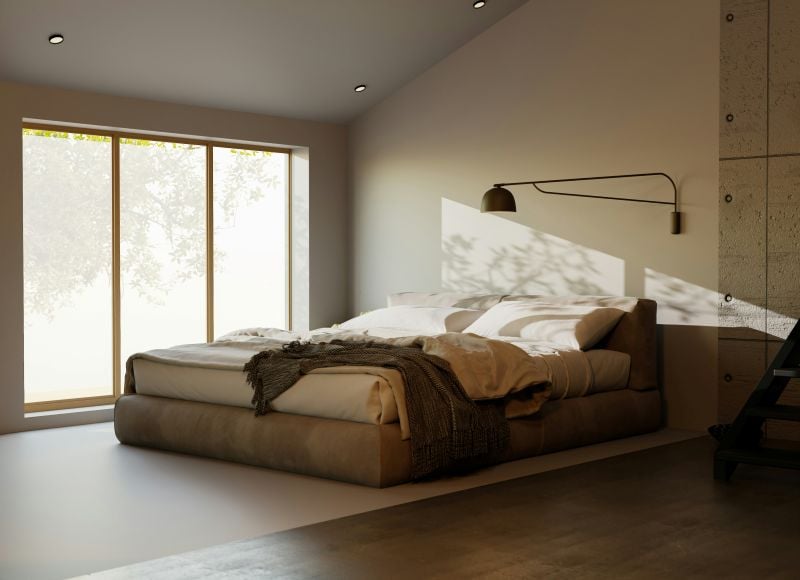
Homeowners have long prioritized upgrades that improve comfort, increase property value, and enhance everyday living. Kitchen remodels, spa-inspired bathrooms, outdoor entertainment areas, and home offices have all enjoyed their moment in the spotlight. Today, however, another area of the home is receiving renewed attention: the bedroom.
More specifically, homeowners are investing in creating better sleep spaces.
As awareness grows around the connection between sleep and overall well-being, people are rethinking how their bedrooms function. The bedroom is no longer viewed as simply a place to end the day. Instead, it has become a dedicated environment designed to promote relaxation, recovery, and healthier living.
Sleep Is Becoming a Wellness Priority
Health experts consistently emphasize the importance of quality sleep. Adequate rest supports immune function, cognitive performance, emotional well-being, and physical recovery. Yet despite these benefits, many adults struggle to get the recommended amount of restorative sleep.
As a result, homeowners are increasingly looking for ways to improve their sleep environment.
This shift mirrors broader wellness trends that have transformed other areas of the home. Just as homeowners install water filtration systems, home gyms, or meditation spaces to support healthier lifestyles, many are now investing in bedrooms that encourage deeper, more restorative sleep.
The Bedroom Has Evolved Beyond Basic Function
In previous generations, bedrooms were often designed primarily around aesthetics. Matching furniture sets and decorative accents were the focus, while comfort and functionality sometimes took a back seat.
Today's homeowners are taking a different approach.
The modern sleep space prioritizes both form and function. Features such as blackout window treatments, layered lighting, temperature regulation, sound reduction, and supportive sleep surfaces are becoming increasingly common.
The goal is simple: create a space that makes it easier to unwind and achieve consistent, high-quality rest.
Comfort Is Driving Purchasing Decisions
Consumers are also becoming more selective about the products they bring into their bedrooms.
Rather than purchasing a mattress based solely on price, many homeowners now research factors such as pressure relief, motion isolation, adjustability, cooling technologies, and ergonomic support. Adjustable bed bases, once associated primarily with medical settings, have gained popularity among mainstream consumers seeking enhanced comfort and convenience.
Features like zero-gravity positioning, customizable head and foot elevation, massage functions, and programmable settings appeal to individuals looking to personalize their sleep experience.
This growing emphasis on comfort reflects a broader understanding that sleep quality can significantly impact daily life.
Remote Work Changed How We View Our Homes
The rise of remote and hybrid work arrangements has also contributed to the increased focus on bedroom wellness.
Spending more time at home has prompted many people to evaluate how their living environments affect productivity, stress levels, and overall happiness. As homeowners upgraded home offices to improve focus and efficiency, they also began paying closer attention to spaces intended for rest and recovery.
After all, a productive day often begins with a good night's sleep.
Creating a bedroom that supports restorative rest has become an extension of the same mindset that drives investments in ergonomic office chairs and standing desks: optimizing the home to support well-being.
Aging in Place Is Influencing Bedroom Design
Demographic trends are playing a role as well.
Many homeowners are planning for long-term comfort and independence by incorporating aging-in-place principles throughout their homes. While these conversations often focus on bathroom safety or first-floor living arrangements, the bedroom deserves equal consideration.
Adjustable sleep systems can provide added convenience and support for individuals managing mobility challenges, chronic discomfort, or health concerns that make traditional flat sleeping positions less ideal.
By making thoughtful choices today, homeowners can create bedrooms that continue meeting their needs for years to come.
Better Sleep Is an Investment in Quality of Life
Unlike many home upgrades that are used occasionally, the bedroom is one of the most frequently utilized spaces in any house.
The average person spends approximately one-third of their life sleeping. Given the amount of time spent in this environment, investing in comfort and functionality can have a meaningful impact on overall quality of life.
A bedroom designed to promote relaxation may help reduce stress, support healthier sleep habits, and contribute to improved physical and emotional well-being.
For many homeowners, that return on investment extends far beyond resale value.
Wellness Features Are Increasingly Desired
Today's homebuyers are showing interest in wellness-oriented features across the entire property.
Natural light, improved indoor air quality, dedicated fitness spaces, and outdoor living areas have become highly desirable. Bedrooms that emphasize comfort and restorative sleep fit naturally within this trend.
Whether it's choosing breathable bedding materials, minimizing electronic distractions, or exploring adjustable sleep solutions designed for today's homeowners, consumers are increasingly willing to invest in products and environments that support better rest.
The growing popularity of sleep-focused design reflects a broader understanding that our homes should actively contribute to our health and happiness.
Creating a Better Sleep Space Doesn't Require a Complete Renovation
One of the appealing aspects of improving a sleep environment is that meaningful changes can often be implemented gradually.
Simple updates may include:
-
- Establishing a consistent bedtime routine.
- Reducing clutter within the bedroom.
- Installing blackout curtains.
- Keeping the room at a cooler temperature.
- Upgrading pillows and bedding materials.
- Limiting screen exposure before bedtime.
- Evaluating whether the current mattress and sleep setup continue to meet changing needs.
Even small adjustments can help create an atmosphere more conducive to restorative sleep.
The Future of Home Design Includes Better Rest
As wellness continues shaping homeowner priorities, the bedroom's role within the home is evolving.
People are increasingly recognizing that better sleep influences nearly every aspect of daily life—from mood and energy levels to productivity and long-term health. As a result, investments once viewed as luxuries are increasingly being considered practical enhancements that support overall well-being.
The concept of home has always been tied to comfort and security. Today, homeowners are expanding that definition to include environments that actively promote healthier living.
In the years ahead, creating spaces that support restorative sleep may become just as commonplace as renovating a kitchen or upgrading a bathroom.
Because while many home improvements add convenience, few have the potential to improve everyday life quite like a better night's sleep.