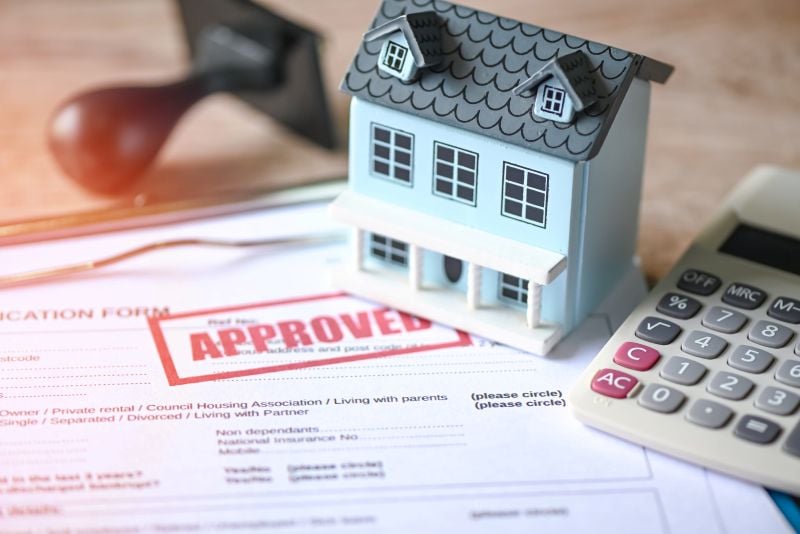
In a crowded housing market, the gap between a winning offer and a rejected one often comes down to preparation rather than price. Buyers tend to fixate on the number they write down. Sellers, on the other hand, care about something far less visible: whether the deal will actually close. Mortgage pre-approval sits right at the center of that question. It rarely gets much attention, yet it shapes outcomes in ways most buyers underestimate. This article breaks down how pre-approval works behind the scenes and why it so often tips the scale.
What Pre-Approval Actually Means
Pre-approval is a lender's written commitment to fund a loan up to a stated amount, based on a real review of your finances. A loan officer examines your income, assets, credit history, and existing debt. After that review, you receive a letter that spells out how much you can borrow.
This is not a casual estimate. It carries weight because a lender has already done the heavy lifting. The number on the page reflects documented facts, not hopeful guesses. That distinction matters more than buyers often realize, and it explains why a pre-approval letter reads differently to a seller than a vague promise to "get financing sorted out later."
Pre-Approval vs. Pre-Qualification
These two terms get mixed up constantly, but they are not the same thing. Pre-qualification is an informal snapshot. You tell a lender roughly what you earn and owe, and they give you a ballpark figure. No documents change hands. No credit gets pulled in any serious way.
Pre-approval goes deeper. You submit pay stubs, tax returns, and bank statements, and the lender runs a hard credit check. The result is a verified figure backed by paperwork. Experienced sellers and their agents know the difference, and they treat the two letters accordingly. According to the Consumer Financial Protection Bureau, getting a firm sense of your borrowing power early helps you shop with realistic expectations rather than chasing homes you cannot fund.
Why Sellers Quietly Favor Pre-Approved Buyers
Sellers want one thing above all else: certainty. A signed contract that collapses weeks later is more than an inconvenience. It pulls the home off the market, scares off other interested parties, and forces the seller to start over. Financing problems are one of the most common reasons deals fall apart at the last minute.
Pre-approval shrinks that risk. When a buyer arrives with a verified letter, the seller has reason to believe the money is real and ready. That confidence is worth a great deal, sometimes more than a slightly higher bid from a buyer who has not lined up financing.
Listing agents understand this dynamic well. When two offers land on a desk, they routinely steer their clients toward the buyer who looks most likely to close cleanly. A strong price catches the eye. A solid pre-approval keeps the eye there. In tight competition, that quiet reassurance frequently decides who walks away with the keys.
How Pre-Approval Strengthens Your Position
The advantages stack up in ways that go well beyond a single letter.
First, there is speed. A pre-approved buyer has already cleared early underwriting hurdles, so the path to a signed contract is shorter. Sellers notice that. A faster route to closing is a tangible benefit, especially for someone eager to move on.
Second, there is credibility. Your offer no longer reads as a hope. It reads as a plan with backing behind it. That shift in tone changes how an agent presents your bid and how a seller weighs it against the rest.
Third, there is negotiating room. When you know your exact ceiling, you can bid with conviction. You avoid the trap of overreaching, and you sidestep the weaker position of guessing. Confidence at the table tends to produce better results than uncertainty ever does.
Strengthening Your Offer Beyond Pre-Approval
Pre-approval opens the door, but smart buyers reinforce their position with the resources they already hold. A larger down payment, healthy cash reserves, and flexible timing all make an offer more appealing. Sellers read these signals as proof that a buyer can handle bumps in the process without falling apart.
For current homeowners, equity can play a useful role here. Tapping into the value already built up in a property can free up funds for a bigger down payment or stronger reserves, which in turn make an offer harder to ignore. This is where HELOC loans enter the picture, since a home equity line of credit lets an owner borrow against existing equity and access cash without disrupting their primary mortgage. Used carefully, that flexibility can turn a decent offer into a standout one, particularly when a buyer needs to move quickly or wants to bridge the timing between selling one home and buying the next.
Of course, borrowing against a home carries its own responsibilities. It works best as a planned move within a clear budget, not a last-minute scramble. When it fits the bigger financial picture, though, it pairs naturally with pre-approval to present a buyer who is both qualified and well prepared.
The Speed Advantage at Closing
Pre-approval keeps paying off long after the offer is accepted. Because the lender has already reviewed your core financials, the remaining steps move faster. Underwriting has fewer surprises. Document requests are lighter. The whole stretch from contract to closing tends to compress.
That matters to a seller who wants to wrap things up and reduces the chance of a deal stalling near the finish line. A shorter, smoother closing benefits everyone involved, and it reflects well on the buyer who set the stage early. Resources from groups like Freddie Mac emphasize that buyers who organize their financing ahead of time face fewer delays and unwelcome shocks once they are under contract.
The Quiet Confidence That Wins
There is a calm that comes with knowing exactly where you stand. Pre-approved buyers do not have to wonder whether they can afford a home they love. They already know. That clarity shows up in how they shop, how they bid, and how they respond when a competitive situation heats up.
While other buyers hesitate or scramble to verify their numbers, a pre-approved buyer acts. Speed and certainty are powerful in a market where good homes do not sit for long. The buyer who can move fast and back it up usually comes out ahead.
Conclusion
Pre-approval rarely draws much fanfare, yet its influence runs deep through nearly every step of a home purchase. It signals seriousness to sellers, shortens the road to closing, and gives buyers the confidence to negotiate from a position of strength. The highest bid does not always win. Often, the offer that wins is the one that feels safest, and pre-approval is what makes an offer feel safe.
For anyone preparing to enter a competitive market, securing pre-approval early is one of the most practical steps available. It costs little beyond some paperwork and a bit of time, but it can shape the entire outcome. In a contest where so much hinges on trust and certainty, that quiet advantage tends to make all the difference.