According to a new report, there has been a major uptick in the average number of complaints about reverse mortgages during the last two years. This is based on data from the 2022 Consumer Response Annual Report, recently highlighted by the Consumer Financial Protection Bureau (CFPB).
What Is a Reverse Mortgage?
A reverse mortgage is a home loan that’s only available to homeowners who are 62 and older. The most common type is the Home Equity Conversion Mortgage or HECM. Like traditional mortgages, with a reverse mortgage, a home is used as security for a loan. The title would stay in your or the owner’s name, but borrowers don’t make a monthly payment on a reverse mortgage.
Instead, the loan is repaid once the borrower doesn’t live there anymore. Interest and fees accrue and are added to the loan balance every month, so it goes up, which is why it’s called a reverse mortgage. Your balance is going up over time rather than down. As your loan balance goes up, your home equity goes down.
You’re required to pay property taxes and homeowners insurance to get a reverse mortgage loan. The property must be your main residence, and you’re responsible for keeping it in good condition.
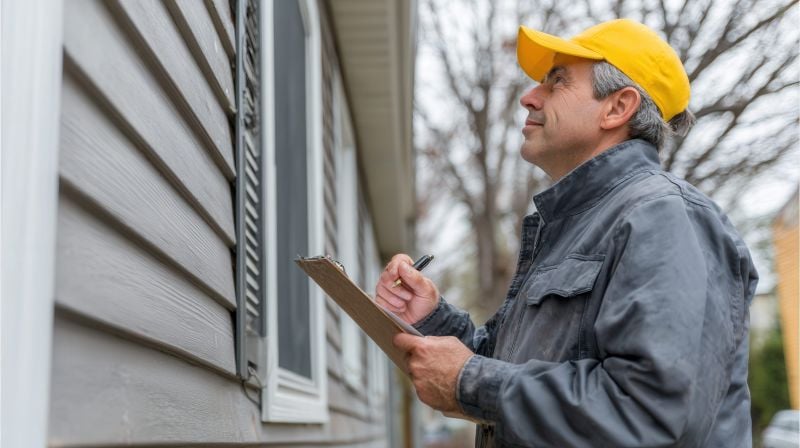
While there are legitimate reverse mortgages, there are also a lot of scams related to these financial products. For example, some scams target veterans, and contractors might also approach homeowners to try and convince them to get a reverse mortgage to pay for home repairs fraudulently.
Recent Findings on Reverse Mortgages
Mortgage complaint data is gathered and then divided based on the particular product. For example, an FHA mortgage will have its own category of complaint data, as will a home equity line of credit (HELOC).
Overall, the volume of mortgage complaints went down in 2022. On average, companies were responding to around 1,900 complaints a month compared to an average of 2,100 for the two years before.
For reverse mortgages, the complaint trend went opposite to the rest of the industry.
The monthly average for complaints related to reverse mortgages went up 33% compared to the average for the prior two years. By contrast, the monthly average for FHA loans went up just 7%.
The complaints related specifically to reverse mortgages have predominantly focused on getting statements or payoff amounts from lenders, or there are complaints about consumers having trouble making payments or paying off mortgages.
Changes to Servicing
Due to the fact that most of the data on complaints is related to payments, it seems to stem from servicing issues. There were a lot of complaints on the servicing side of things in 2022 because of some big events, including the bankruptcy of Reverse Mortgage Funding.
Additionally, some lenders committed to new subservicing agreements, which may have led to the increase in complaints.
What Are the Risks of a Reverse Mortgage?
If you’re considering a reverse mortgage, you need to be aware of the risks and the fine print on these products. There are situations where a reverse mortgage makes sense. For example, being retired can give you access to cash to pay for unexpected medical bills or other expenses.
With the benefits come the risk of scams and a misunderstanding of what you’re getting into with a reverse mortgage. There can be a lot of hidden red flags, and people selling reverse mortgages can be intense and persuasive.
Another risk is that you don’t know what the future might look like. There are often stipulations that come with these mortgages on how many days your property can be vacant, for example, before the lender calls the loan. If you spent an extended period of time in the hospital or a rehabilitation center, it might be that the lender could call your loan and proceed with a foreclosure because they see the house as unoccupied.
Other downsides include affected eligibility for government programs and high closing costs.
If one spouse’s name is on the reverse mortgage contract and they die, the house can be sold even if a surviving spouse is still living there because immediate repayment is required if the borrower dies.
Overall, a reverse mortgage can be a financial option for seniors who would otherwise need to sell their homes to access equity. Still, they do have risks, and there’s been a growing number of consumer complaints about them, so do your homework before committing.