With every passing day, it seems we add new devices to our lives. Everything is becoming automated, from our kitchens to our cars. The result of all this new technology is a growing demand for electricity in our homes.
These new tools can do a lot of great things for us if our homes can handle their electrical requirements. At one time, electrical utilities required new homes to have a minimum number of receptacles so that they could feel confident that the homeowner would use enough electricity to be worthwhile to the provider.
That's not a problem anymore. The issue now is whether there are enough outlets to go around. By the time you're loading up on smaller items--four or five phones to charge, some tablets, a couple of laptops, an electronic personal assistant--you may not even have a plug left for a lamp. As home automation grows, more and more functions are calling for power.
But the big issue is the heavy pullers, things like chargers for electric cars. And because most homes were built long before these ideas even hit the drawing board, our residential electrical systems just aren't up to speed.
So now what? You're determined to stop relying on petroleum and buy an electric car, but you have nowhere to charge it at the house.
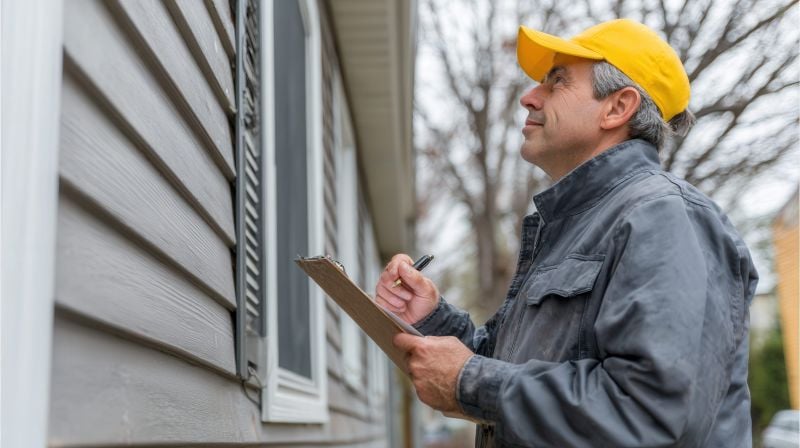
Fortunately, you can get it done. Installation services can do a complete review of what you need done in your house and install the necessary specialized receptacles to accommodate it. In addition, they'll be able to calculate the resultant impact on your overall amperage and make sure that your service is heavy enough to provide it. If not, they can do that upgrade as well.
This is important for reasons far more important than the convenience of charging everything at once. Having the proper amount of electricity available through the home's connection to the power company is essential to keeping everything running safely and correctly.
When we try to use too much power in our homes, bad things happen. Sometimes a breaker trips, which is inconvenient, but other things can happen as well. A heavy load can sap power from the rest of the home, causing what's known as a "voltage sag." When this happens, you'll see the lights grow dimmer in the house. That is the least of your worries.
Voltage sags can be very destructive. Most electronics are very sensitive to big swings in available power, so they may be damaged by voltage sags. That means phones, laptops, tablets, smart TV's, DVR's, smart thermostats, and on and on.
We typically worry about power surges damaging our devices, and they certainly can, but voltage sags can be just as damaging. For that reason, it is very important to have a qualified electrician review your total power picture and get an upgraded service installed if needed.
There will never be any less demand for electricity in our lives. We may see evolution in the way that it is generated and delivered. There will always be a quest for greater efficiency in all the applications we use. And conservation will certainly be a goal as well.
But for the long haul, we're putting more and more things onto the grid every day. As more of these things find their way into your home, you need to prepare to provide that demand safely and efficiently.