The real estate market is changing rapidly, but one thing that always helps the fast letting of a house is how it looks when they come to view it. There are a few different choices on how to do this. The first is to give the whole house a good spring clean. Unfortunately that will only get you so far and probably won’t give you a faster or the best letting option so remodelling is probably your best option. Remodelling the kitchen and bathroom are common, but re modelling the living room with a unique trend and unique furniture might give you the extra edge over other properties ready to let in the area. In my experience, antique furniture is generally extremely well made, the pieces tell a story; they are trend proof and are eco-friendly. You could make the case that buying a piece or pieces could help your rent price in the long run, especially if you’re letting your house as furnished!
Buying these items require proper care to ensure you are making the right choice. Here are important things you should look for.
Solid wood or plywood backing

Look at the backside of the piece of antique furniture especially on the insides and back of a drawer. A backing of solid wood suggests a vintage piece made before 1880. Plywood became backing of choice at the turn of the 20th century. If the backing on the furniture is particleboard, it was most definitely made in the 1960s or later.
Dovetail joints

The first pointer to the age and quality of any piece of furniture is the construction detail. Dovetail joints are strong and generally require a great deal of skill to produce therefore they are mostly made by machines. Furniture with hand dovetailing is most definitely antique and would have been made before 1890. Hand dovetails are characterised by the slightly irregular patterns. The pins are also thin and tapered. Machine-cut dovetails are wide and uniform.
Original hardware and other details

The original hardware on a piece of furniture is one of the things that guarantee a vintage look. The style of the original hardware will point to the origins of the piece. Wooden pulls or solid cast-brass for example means the piece is likely old. A collectibles reference guide will help identify the style and age range of the piece. Queen Anne, Victorian, Depression-era, Federal, Sheraton, Hepplewhite and Chippendale are some of the common style examples. Any piece of furniture with any of these styles of hardware will spot an unmistakable antique look.
Inscriptions or stamp from the manufacturer
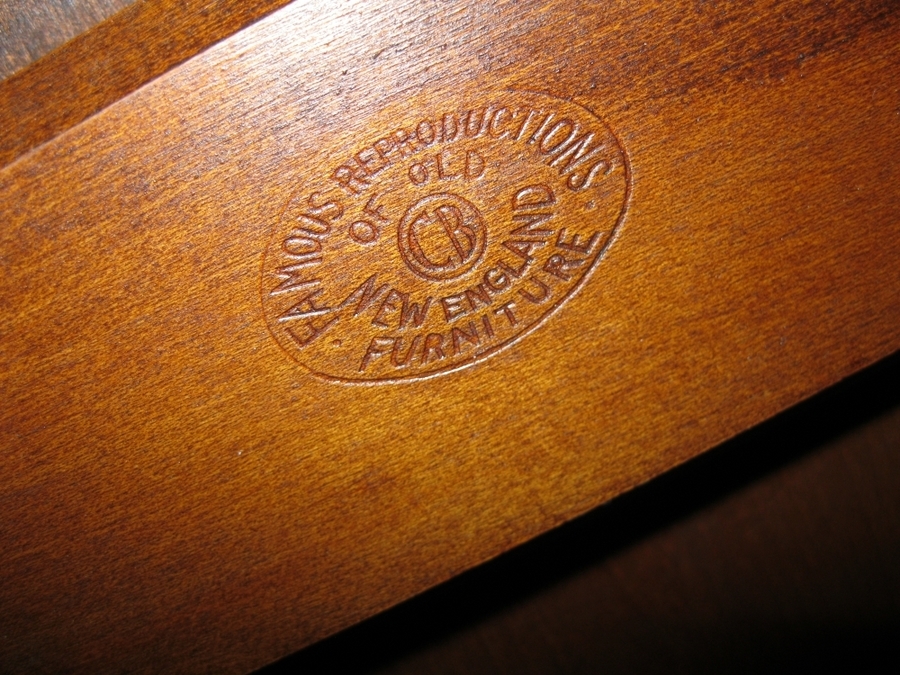
Marks indicating the origin of a piece offer the best way to know if it’s antique. Handcrafted pieces sometimes bear an inscription from the furniture maker. This provides a clue to its value. For very old pieces, the markings may be a pencil signature inside the drawer. Paper labels started becoming popular at the start of the 20th century and brass plaques tacked onto the insides or back of the furniture started becoming more popular. Furniture made in 1950s and 1960s will have manufacturer details written in spray-on pencil. It is however, difficult to certify pieces of antique furniture in this manner because most are sold in a collection. If you are looking at a single piece that is part of a collection, it may be original and look vintage without any markings.
These are some of the things you should look out for when buying antique furniture for that classic vintage look for the property you are letting.