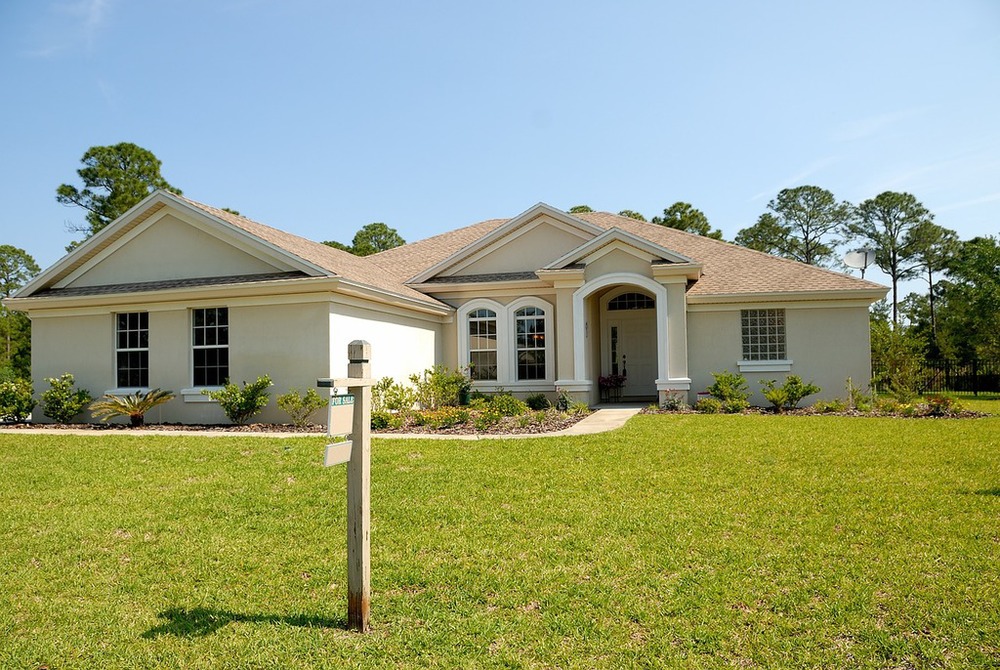
In a hurry to sell your home? Then it’s important to know exactly what’s stopping you. If you can’t afford to lose a buyer and need to be out of your property asap, here is exactly why a pre-sale survey is what you need.
Unexpected items on a property survey is one of the most common reasons for a sale to fall through. It doesn’t matter if your buyers have viewed the house five times or if you’ve negotiated like an absolute pro, discovering that your home is secretly riddled with damp or simply needs a lot more repairs than initially thought is enough to make many prospective buyers walk away.
Save yourself the time and hassle it takes by investing in a pre-sale HomeBuyer Report or Building Survey.
Why get a pre-sale survey?
Once you’ve accepted their offer, your buyers are almost certainly going to send a surveyor round to carry out an inspection. This is their right – after all, the UK operates under a “buyer beware” policy and it’s up to them to uncover any issues before investing.
Where it impacts you as the vendor is if the surveyor finds an issue that is serious enough for the buyers to reconsider their purchase. Maybe your property is suffering from a serious structural issue that would jeopardise its future integrity. Perhaps there are just a few too many “odd jobs” that need doing and the buyers wanted to move into a perfect home. Conducting a “health check” on your home will let you know for sure.
Knowing about these potential deal-breakers early on will strengthen your hand and save you from getting blindsided by the buyers suddenly pulling out or drastically dropping the price (known as ‘gazundering’). You can negotiate a sale price from a more understanding position, and even acknowledge problems at the viewing stage, if you wish. It means you’ll only get offers from serious buyers so neither party ends up wasting their time.
What should you do following a pre-sale suvey?
Just like the buyer’s report, a pre-sale survey will provide you with all of the defects that the surveyor finds and any concerns they might have about future problems or health and safety risks. The best thing to do once you have your report is to speak to your surveyor, as they will be able to tell you which issues are the most likely to give potential buyers cold feet.
This gives you the opportunity to fix the most pressing issues, focusing your time, effort and investment on the points that will give you the best return and the fastest sale. Just like that, the major problems disappear and you can be transparent with buyers about any remaining issues and what the repair estimates are – if you wish. It also means that the first price you advertise can be more realistic, saving you much of the time spent negotiating.
What else can you do to speed up a sale?
Be ready for viewings. If you’re being proactive about a sale, you’ll want to give your agent keys and allow them to show around potential buyers while you’re at work. Of course, you can agree to have 24-hour notice before letting anyone in, but closing off your home is going to make the process slower and harder.
Instead, stick to having them call ahead (just to make sure that you’re not in the shower) and keep your home looking as spotless as possible until the property is sold. Invest in a professional cleaner to stay on top of the housework and consider temporarily rehoming pets with friends or family so they don’t put viewers off.
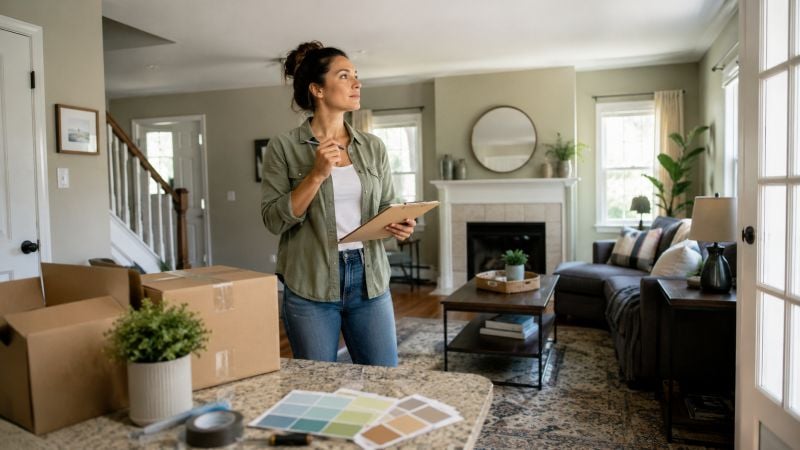
You should also complete those quick-fix DIY jobs. Hold off on totally replacing the kitchen or bathroom as you’re unlikely to see a return on your investment. Instead, focus on easy wins like decluttering, repainting the front door, fixing any badly-hung doors or creaky steps and keeping the garden under control. These smaller adjustments actually make a much bigger impact than most vendors realise, giving your home a boost compared to similar properties on the market.