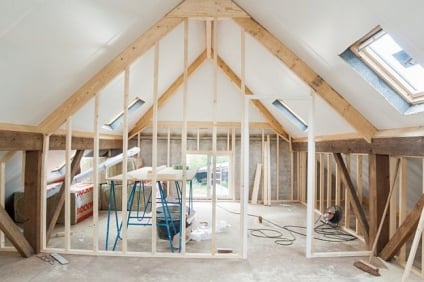
A good roof not only protects your home from harsh weather temperatures and other external factors, it gives it form and structure. If you have lived in your property for a while, chances are you might not know when the roof is due for replacement.
Check for Asbestos
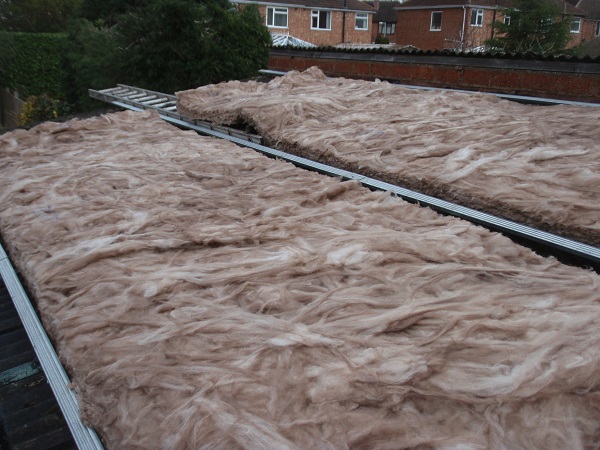
One of the first things to check for when moving into any new property is the presence of asbestos. As a widely used component for construction between 1930s and 2000, many building still contain asbestos. The use of Asbestos was outlawed in the UK back in 1999 because of its hazardous nature. If you notice traces of the material in your home it is advisable to replace it completely.
How do you detect asbestos? Fortunately, there are simple kits that can be used. Olivia, a customer service representative at Asbestos Sampling says they can usually be found in the roof, “Ensure you test your roof because it is one of the major culprits for harbouring asbestos,” she says.
Discovering an asbestos in your roof is a major reason to change it. The material has been linked to lung cancer, asbestosis and mesothelioma. Other signs your roof needs to be changed are:
Your roof is old and worn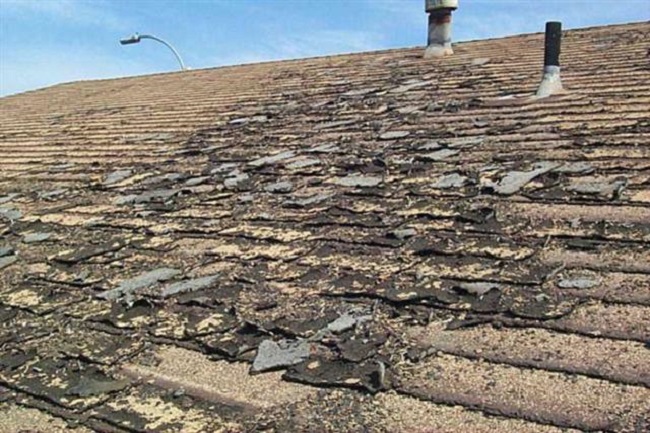
The standard lifespan of an asphalt shingle roof is between 20 – 30 years . Any roof older than 30 years needs to be changed immediately, no matter how attractive it looks. The best time to start gauging the roof’s replacement is when it is 25 years old. This gives you at least 5-year head-start.
It can be difficult to say if you didn’t build the house originally. One way to verify this is to contact the manufacturers or do a comparative test with houses in the same area.
The shingles are beginning to bend
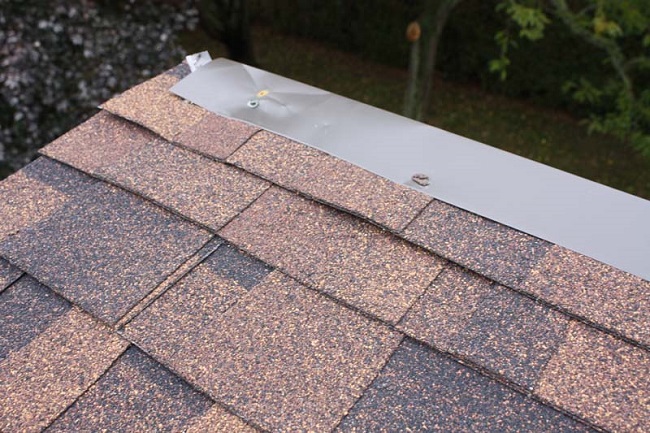
Curling shingles are a dead giveaway for a roof that is due. Your roof’s shingles may either cup (turn upward) or claw (middle comes up while the edges stay flat). These are signs of weathering cause by pressure of changing climate. They are potential risk for leakage too.
Not changing your roof on time can spell doom when it exacerbates later. Besides causing severe damage to other parts of the property, a broken roof can pose health hazards.
Broken parts in the gutter
Clean out your gutters, if you find granules or broken parts of asphalt shingles, especially if your roof is older than 15 years, it could be a symptom of a serious problem. Granules on the roof protect the asphalt from the harsh rays of the sun. If there are no granules, the sun will heat up the roof and hasten its deterioration.
It is therefore advisable to spend some weekends cleaning your gutter . Not just for the sake of free-flow, but to identify issues such as wearing granules.
A mass of algae or moss growing on the shingles
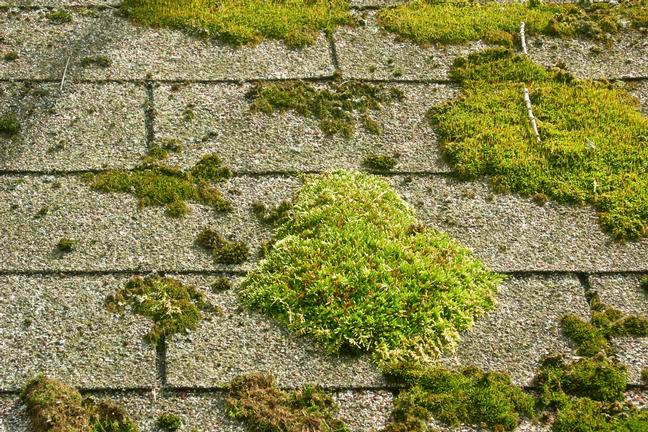
While this may seem like a superficial problem, after all algae naturally grows on moist surfaces, many people don’t like the look of it. Some choose to replace it outright, while others hire a roofing service to resolve the problem.
If you choose to clean the roof yourself, be careful of over-scrubbing the surface of the asphalt. If the granules are chipped away, it exposes the roof to destruction by sunlight. Hiring professional roofing service is a better solution.
The advantage of a good roof is its prolonged lifespan. Provided you maintain it regularly, you will enjoy your roof to the last day. Most manufacturers issue a lasting warranty. Beware of fly-by-night service men who will only end up worsening the condition of your roof.