|
Monday Morning Quarterback
(Happy Columbus Day)
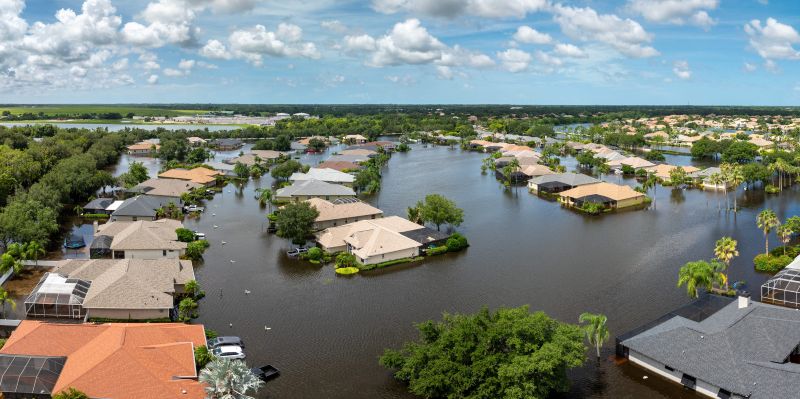
Hurricane Ian, one of the costliest and deadliest storms in U.S. history, displayed the ever-worsening threat of the climate crisis on Florida. But it isn't likely to kick-start a real estate reversal anytime soon. After all, natural disasters and weather upheavals have always been a part of Florida. Nevertheless, there’ll always be the allure of great weather, favorable taxes, endless land to develop, and the newly-discovered ability to work from home. These positives (resulting in Florida's population explosion) have created a real estate gold rush. For example, an extra 200,000 people moved to the state between 2020 and 2021, according to census data. To serve them, there have been a swarm of businesses both expanding and launching in the Sunshine State. More than 600,000 new businesses were launched in Florida last year and real estate values quadrupled. That figure was nearly 30% higher than the previous year and twice as high as in New York state. In other words, Hurricane Ian, which has done an estimated $47 billion worth of damage and resulted in a death toll that is already at 130 and climbing, is unlikely to deter anyone who sees Florida as a great place to do real estate deals, my Florida sources assure me. If it’s anything like what happened after Hurricane Irma and Charlie, the phones are probably already ringing from investors hoping they can swoop in for a “discount.” Florida is still Florida, and they’ve got some really big positive factors going for them. The weather (notwithstanding hurricanes) is a huge asset and folks are still moving to Florida. The fallout from the storm could actually work to the benefit of owners of properties in the affected area. South Florida experienced enormous rent increases in the last two years (apartment rents jumped by nearly 25% between July 2021 and 2022) and will now accelerate even more with buildings still standing and in surrounding counties. The momentum of people moving to the Sun Belt is too powerful to reverse the effects of a “silly little hurricane” (as Floridians like to say). But on a hyper-local level, storms like Ian could change people's preference for location. For example, people will probably be more reticent to live on the water, preferring instead to live inland. In other real estate news this week, let’s get under the hood…
U.S. Adds 263,000 Jobs in September. You would think thousands of new jobs would be good news – but it’s not really. Why? Because the increase in new jobs in September fell to a 17-month low of 263,000 due to labor shortages and waning demand for workers as talk of recession grows. But it was still too strong for a Federal Reserve bent on slowing the economy and tackling high inflation. The increase in hiring, while still strong historically, was the smallest since April 2021. The unemployment rate, meanwhile, dropped to 3.5% from 3.7%, the Bureau of Labor Statistics reports. That puts it back at a pre-pandemic low and marks one of the lowest rates since the late 1960s. Nevertheless, the slowdown in hiring is not taking place fast enough to deter the Fed from continuing raising interest rates to try to quench the worst outbreak of inflation in 40 years. Higher interest rates are expected to reduce economic growth and raise unemployment. So get ready for higher unemployment. Many economists predict a recession will take place next year and Fed officials won’t rule one out. One of the Fed’s big worries is rising wages spurred on by the tightest labor market in modern times. Higher wages could feed into inflation and make it harder to rein in. In reality, the Fed is expected to keep raising rates until inflation starts to fall rapidly and the mismatch between too few workers and too many open jobs ease up. The September employment report showed little progress on that front. The so-called participation rate (the share of working-age people in the labor force) fell a tick to 62.3%. By the way, job openings sank to the lowest level since last fall and layoffs, while still quite low, rose to an 18-month high in August. New unemployment filings also rose last week to a five-week high. Hotel, restaurants and other companies in the hospitality business created 83,000 new jobs, reflecting strong demand for services such as travel and recreation as Americans get out more. Hiring also rose sharply in health care and professional businesses. Manufacturers also added 22,000 jobs and construction firms hired 19,000 people. Employment fell slightly in finance, transportation and government.
|