Commercial property development is constantly evolving to meet the changing needs of businesses and organizations. Developers are integrating innovative designs and sustainability features to create modern workspaces that promote productivity, collaboration, and employee well-being. Some of the latest trends reshaping commercial buildings include biophilic design, flexible layouts, smart technology integration, and a focus on health and well-being. By understanding and implementing these trends, developers can create inspiring and functional spaces that will attract tenants and add value for years to come.
-
1. Sustainable And Biophilic Design
-
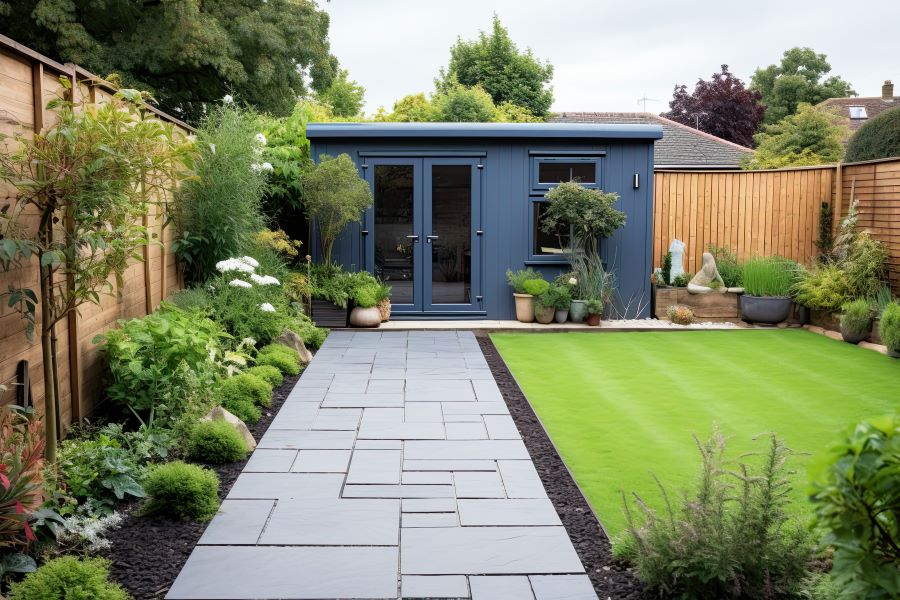
Sustainability has become a crucial consideration for modern commercial property developers. Beyond benefiting the environment, sustainable features directly enhance the health, productivity, and comfort of office tenants. Biophilic design is an excellent sustainability strategy that literally brings nature into the workplace through abundant greenery, ample daylight, and natural materials. Indoor gardens, green walls, and large windows connecting workers to outdoor views immerse tenants in natural beauty. Using local wood, stone, and other renewable finishes like those seen in Perth Sheds reduces carbon footprints. These biophilic elements have proven psychological benefits like lower stress and greater creativity. Working in environments filled with natural light, plants, and ventilation simply feels uplifting.
Other sustainable building strategies complement the biophilic design. Solar panels and high-efficiency HVAC systems dramatically reduce energy usage and costs. Water recycling, smart irrigation, and drought-tolerant landscaping conserve water. Composting, strict recycling policies, and minimized paper usage shrink waste streams. Sustainable construction allows developers to create healthy, energy-efficient spaces that attract eco-conscious tenants and demonstrate environmental stewardship. Overall, biophilic design brings nature indoors while sustainable features reduce footprints.
-
2. Flexible And Adaptable Spaces
Traditional fixed construction often leads to wasted space and high renovation costs when business needs inevitably change. Flexible design mitigates this through movable walls, multi-use furnishings, and modular components. With flexible spaces, offices can easily be reconfigured to accommodate team growth, new equipment, or operational changes. Movable walls allow companies to resize collaboration nooks, meeting rooms, and work areas on demand. Multipurpose furniture like seating cubes and nested tables facilitate quick room reorganization. Modular power, lighting, and ventilation systems enable fast, affordable layout modifications. Raised floors let utilities be rerouted, and spaces be rewired with no demolition required.
Adaptable 'blank canvas' spaces also empower customization. Tenants can modify generic open areas into unique functional spaces reflecting their brand and identity. For example, an unused zone could transform into a lounge, cafe, conferencing facility, or prototyping lab. Flexibility promotes the efficient use of real estate through customized, evolving work environments. Companies gain the freedom to tailor spaces as needs shift, providing convenience and operational agility.
-
3. Smart Technology Integration
-
Integrating smart building technology and Internet of Things (IoT) sensors allows commercial spaces to become highly intelligent and automated. Energy management systems track usage patterns and adjust HVAC, lighting, and other systems to optimize efficiency. Occupancy sensors facilitate automatic on/off lighting control in unused spaces. Digital dashboards let facility managers view building performance analytics and remote control systems from anywhere. Access controls secured by biometrics or mobile devices provide more seamless, convenient security.
Smart technology also enhances communication and collaboration. High-speed wireless networks and ethernet connectivity empower seamless video conferencing and cloud-based file sharing. Digital signage provides engaging communication touchpoints for messaging or emergency notifications. Voice-over IP networks enable quick paging, event announcements, and other features. By leveraging data and automation, smart buildings create highly responsive, convenient, customized environments for tenants.
-
4. Health And Well-being Focus
Leading developers are maximizing tenant health through active design and wellness amenities. Staircases are placed front and center to promote movement and activity. Standing desks, walking nooks, and recreation facilities get employees out of chairs. Ergonomic furnishings and varied collaborative settings avoid repetitive strain. Access to daylight, nature views, and fresh outdoor air supports mental health. Fitness studios, calm rooms, and healthy cuisine make wellness convenient.
Attention to indoor environment quality also boosts comfort. Advanced air filtration reduces allergens and pollutants. Acoustic panels and white noise systems minimize distracting sounds. Responsive lighting and thermal systems optimize illumination and temperature. By designing for human-centric health elements, modern offices feel engaging, energizing, and inspiring. This promotes tenant satisfaction, productivity, and retention. Putting people first through wellness and comfort allows commercial spaces to nurture talent, foster community, and help businesses thrive.
Conclusion
Innovative design based on flexibility, sustainability, technology, and well-being is transforming modern commercial property. By implementing creative solutions, developers can construct healthy, responsive, and productive spaces that will attract tenants and generate value. Though the needs of business are always changing, forward-thinking design creates offices ready for tomorrow. Ultimately, integrating strategic trends allows commercial buildings to support companies, employees, and the environment for years to come.