A picture is worth a thousand words, and what those words say is very much determined by the quality of the pictures you post. Real estate is one of the most competitive industries, and nowadays, buyers begin their search online. This means you need stunning visuals that showcase your property in the best possible way. AI real estate photo editing tools can enhance the quality of your pictures especially in removing unwanted objects and backgrounds and improving lighting. We know that picture editing can be challenging to master and that’s why we’ve compiled a list of common editing mistakes that ruin property photos.
1. Over-Saturation
Mistake: Adding too much color saturation.
Effect: Makes the property look unnatural and unappealing.
Over-saturation in real estate photos occurs when colors are excessively enhanced, making the property look unnaturally vibrant. While the intention is often to make images more eye-catching, this technique can backfire by distorting the true appearance of the property and misleading potential buyers.
2. Overexposure or Underexposure
Mistake: Making the photos too bright (overexposure) or too dark (underexposure).
Effect: It can make it difficult for the buyer to see finer house details clearer
This is probably one of the most common issues with many real estate photos. Overexposed images lose detail, especially in bright areas, while underexposed images obscure details in shadows, making the property hard to see clearly. In both situations, the pictures can quickly lose their appeal and deter potential buyers.
3. Unrealistic Sky Replacements
Mistake: Adding a sky that looks unnatural or doesn’t match the lighting and time of day.
Effect: Distracts from the property and can make the image look obviously edited and fake.
While a bright blue sky can make a photo pop, using skies that don't match the real lighting or time of day can make the images look fake. This can turn off potential buyers and make them question the authenticity of the photos. To keep things believable and appealing, it's important to use sky replacements that fit naturally with the scene and enhance the property's true look without going overboard.
4. Distortion
Mistake: Using wide-angle lenses improperly, leading to distortion.
Effect: It can make rooms look larger than they are or cause walls and objects to appear warped and unrealistic.
Distortion often comes from using wide-angle lenses that stretch or bend the rooms and spaces. While wide-angle shots can make rooms look bigger, too much distortion can make the property seem misleading, especially when buyers visit them in person.
5. Blurry or Out-of-Focus Images
Mistake: Using photos that are not sharp or properly focused.
Effect: Makes the property look unprofessional and hard to see, turning potential buyers away.
When real estate photos come out blurry or out of focus, it's like trying to see through foggy glasses—details get lost, and the whole vibe can look unpolished. It's important to nail those camera settings and techniques to keep things sharp and clear. Potential buyers want to see every nook and cranny, so crisp photos showing the property's best features make a big difference in making a good first impression.
Tips for Effective Real Estate Photo Editing
When editing real estate photos, you want to strike the right balance between natural lighting and making the property look more appealing. Here are a few ideas on how to go about that:
1. Keep it Natural
Natural photos attract a wider audience by highlighting the property’s true features without exaggerated enhancements. They also build trust with potential buyers by ensuring their in-person visit matches their online expectations.
2. Enhance your outdoor spaces
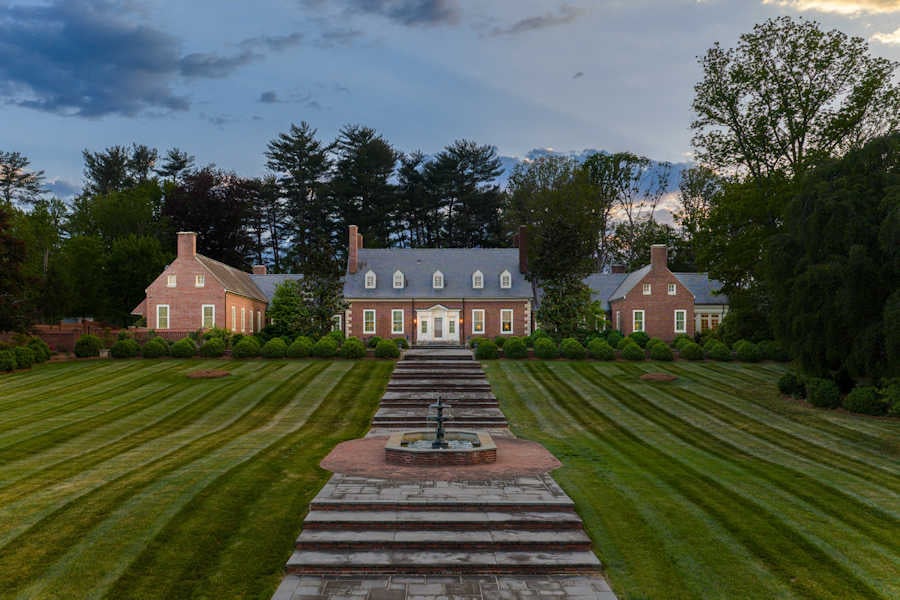
Capturing outdoor spaces in real estate photos is about showcasing the property's outdoor charm. Keep the lawn tidy, highlight seasonal blooms, and use natural light for a warm glow. Arrange furniture to demonstrate potential uses and ensure everything is clean and well-maintained to help buyers imagine enjoying the space year-round.
3. Minimize Clutter and Personal Items
Potential buyers need a neutral feel when visiting your property. Therefore, depersonalize the spaces by clearing countertops and minimize personal items like family photos to let the property's features stand out. This helps buyers envision themselves living there and boosts the property's appeal.
4. Consistency
Maintaining a uniform style and lighting across all photos makes it easier for potential buyers to compare different areas of the property and envision it as a whole. When everything matches up—colors, brightness, and how they're edited—the photos flow nicely together. This not only makes the property look good but also helps people trust what they're seeing. They get a clear picture of what the place is really like, which can make them more interested in checking it out further.
5. Seek Professional Help
Lastly, if you know little about photography, why not hire a professional photographer or editor who specializes in real estate? It may cost you a bit more, but it increases your chances of landing a client sooner rather than later.
Conclusion
Mastering the art of real estate photo editing is crucial in today's competitive market, where first impressions are often made online. Quality visuals can make or break a sale. So, instead of oversaturated photos and heavily edited pictures, opt for high-quality natural photography and thoughtful editing that enhances property appeal.