Owning a car comes with the responsibility of maintaining it to ensure longevity, safety, and optimal performance. Many drivers overlook regular maintenance, leading to costly repairs and decreased vehicle lifespan. This blog is dedicated to providing you with simple yet effective tips to keep your car in tip-top shape. Whether you're a new or seasoned driver, these tips will help you maintain your vehicle's health and ensure a smooth driving experience.
Regular Oil Changes
One of the most important aspects of car maintenance is regularly changing the oil. Oil lubricates the engine, reducing friction and preventing overheating. Over time, oil can become dirty and less effective, leading to increased engine wear and tear. Most experts recommend changing your car's oil every 3,000 to 5,000 miles, but it's always best to refer to your vehicle's manual for specific guidelines.
Changing the oil involves draining the old oil, replacing the oil filter, and adding fresh oil. This process helps to remove any contaminants that may have accumulated in the engine. Regular oil changes not only improve engine performance but also enhance fuel efficiency and reduce emissions. Neglecting this simple routine can lead to more severe engine problems and costly repairs. It's a good idea to keep track of your oil change schedule using a maintenance logbook. This helps you stay on top of your car's needs and ensures you never miss an oil change.
Remove Brake Fluid
Another crucial aspect of car maintenance is ensuring that your brake fluid is in good condition. Brake fluid is essential for the proper functioning of your vehicle's braking system. Over time, brake fluid can absorb moisture, which can lead to corrosion and decreased braking efficiency. To maintain optimal brake performance, it's important to regularly check and remove brake fluid since it's not a lifetime fluid. Experts recommend changing brake fluid every two years, but again, refer to your vehicle's manual for specific guidelines.
Neglecting brake fluid maintenance can lead to spongy brakes, reduced stopping power, and even brake failure. You can check your brake fluid level by looking at the translucent reservoir located under the hood of your car. If the fluid is below the minimum line, it's time for a change. Be sure to use a high-quality brake fluid that meets your vehicle's specifications for best results.
Tire Maintenance
Tires are the only part of your car that makes contact with the road, making their maintenance crucial for safety and performance. Regularly checking tire pressure, tread depth, and alignment can prevent accidents and improve fuel efficiency. Underinflated or overinflated tires can lead to uneven wear, reduced traction, and decreased fuel economy.
Checking tire pressure is a simple task that should be done at least once a month. Use a tire pressure gauge to ensure that your tires are inflated to the recommended levels specified in your vehicle's manual. Additionally, inspecting tread depth is important for maintaining proper traction. Worn-out treads can increase the risk of hydroplaning and reduce overall handling.
Tire alignment is another important aspect of tire maintenance. Misaligned tires can cause uneven wear and affect your car's steering and handling. Regularly rotating your tires and getting alignment checks can extend the life of your tires and improve overall driving performance. Proper tire maintenance not only ensures safety but also enhances the overall driving experience.
Fluid Checks
Your car relies on various fluids to keep different systems running smoothly. Regularly checking and topping off these fluids can prevent major issues and keep your car in top shape. Common fluids to check include coolant, transmission fluid, power steering fluid, and windshield washer fluid.
Coolant, also known as antifreeze, is essential for regulating your car's engine temperature. Low coolant levels can lead to overheating and engine damage. Checking and maintaining the correct coolant level helps prevent these issues. Similarly, transmission fluid is important for smooth gear shifts and preventing transmission wear.
Power steering fluid ensures that your steering remains responsive and easy to control. Low power steering fluid can make steering difficult and affect overall handling. Lastly, windshield washer fluid is necessary for maintaining visibility by keeping your windshield clean. Regularly checking and topping off these fluids can prevent breakdowns and ensure a safe driving experience.
Battery Maintenance
A well-maintained battery is crucial for reliable vehicle operation. Without a functioning battery, your car won't start, leaving you stranded. Regularly checking and maintaining your car's battery can prevent unexpected breakdowns and extend its lifespan.
Start by inspecting the battery terminals for corrosion and ensuring they are tightly connected. Corrosion can interfere with the battery's ability to start the engine and should be cleaned using a mixture of baking soda and water. Additionally, check the battery's overall condition and ensure it's securely mounted in place.
Regular Inspections
Regular inspections by a professional mechanic can help identify potential issues before they become major problems. Scheduled maintenance, such as checking belts, hoses, and filters, can prevent breakdowns and extend the life of your vehicle. Mechanics can spot signs of wear and tear that might not be obvious to the untrained eye.
During an inspection, mechanics will examine various components of your car, including the engine, brakes, suspension, and exhaust system. They will look for any signs of damage, leaks, or worn-out parts that need replacement. Regular inspections help catch issues early, allowing you to address them before they lead to more significant problems.
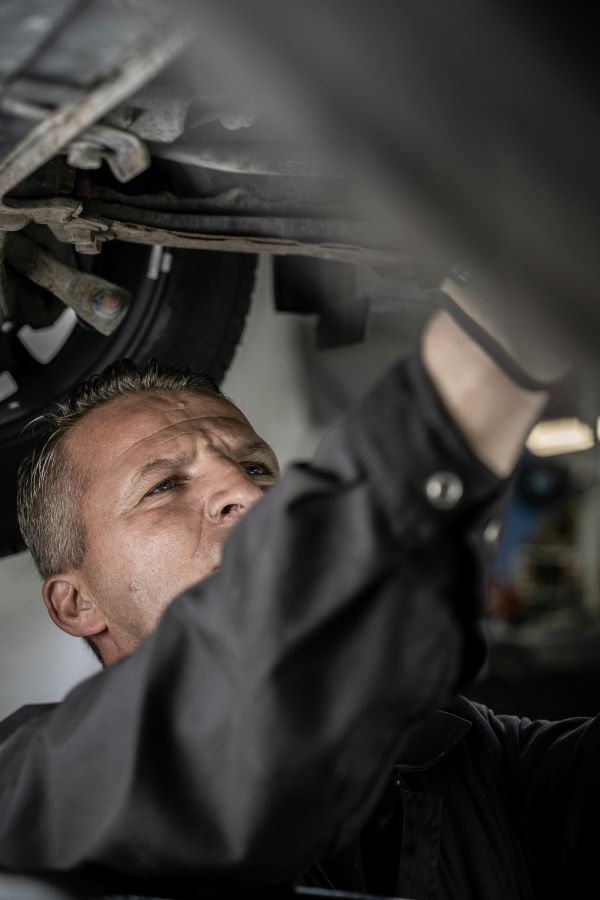
Photo by Jimmy Nilsson Masth on Unsplash
Maintaining your car doesn't have to be a daunting task. By following these simple tips, you can keep your vehicle in tip-top shape and enjoy a safe, reliable, and efficient driving experience. Remember to prioritize regular oil changes, brake fluid maintenance, tire checks, fluid inspections, battery care, and professional inspections.
Taking the time to care for your car not only extends its lifespan but also enhances its performance and safety. Don't wait for problems to arise—proactive maintenance is the key to keeping your car running smoothly. If you need further assistance or personalized advice, consider consulting with a professional mechanic who can provide expert guidance tailored to your vehicle's needs.