Maintaining a high-performance commercial roof is vital not just for the longevity of the building but also for the businesses it houses. In an age where energy efficiency and environmental sustainability are paramount, a well-constructed and maintained roof is pivotal in achieving these goals. Neglecting routine maintenance can lead to escalating repair costs, safety hazards, and even drastic changes in the value of your property. Understanding the critical factors contributing to maintaining a durable and efficient commercial roof will ensure that building managers and owners can act decisively to protect their investments.
1. Professional Maintenance Services
Engaging professional roofing services is crucial for effective commercial roof maintenance. Properly trained roofing contractors have the expertise and tools necessary to conduct thorough inspections and repairs. Regular maintenance performed by licensed roofing contractors ensures that all work meets industry standards and regulations. Finding reliable roofing contractors in Dayton is key for businesses looking to implement a consistent maintenance schedule. Professionals can provide tailored maintenance plans based on the unique needs of your roofing system, ensuring its strength and longevity.
2. Regular Inspections
Regular inspections are one of the most effective ways to maintain a high-performance roof. These inspections should ideally be performed twice a year after significant weather events such as storms or heavy snowfall. Trained personnel can identify early signs of wear and tear, potential leaks, and other issues that, if left unaddressed, could lead to more significant problems.
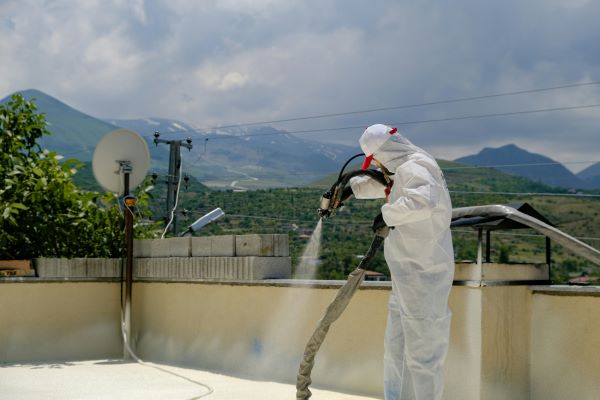
Photo by Ömer Haktan Bulut on Unsplash
Early detection of issues allows for timely repairs, saving substantial costs. Additionally, inspectors can assess the condition of flashings, membranes, and drainage systems, ensuring that every part of the roof functions optimally. Keeping a detailed record of inspections helps track the roof’s longevity and performance over time.
3. Quality Materials
The type and quality of materials used in roofing can significantly affect its performance and longevity. Utilizing high-quality materials suitable for the area's specific climate and environmental conditions will lay the groundwork for a durable roof. Materials such as TPO, EPDM, and metal roofing are popular choices in commercial roofing, each with distinct advantages and disadvantages.
Initially, investing in good-quality roof materials might seem costly, but it pays off by reducing maintenance needs and extending the roof’s lifespan. Furthermore, eco-friendly materials contribute to energy efficiency, lowering overall utility costs and benefiting the environment. Choosing the right material tailored specifically for the building's requirements is crucial for high performance.
4. Drainage Maintenance
Proper drainage is vital for the health of a commercial roof. Clogged gutters and drains can lead to pooling water, which may eventually penetrate the roof’s surface and cause significant damage. Regular checks and maintenance of drainage systems help to ensure that rainwater flows freely off the roof, preventing potential leaks and structural problems.
Installing appropriate drainage solutions, like scuppers and internal drains, can further enhance a commercial roof's performance. During inspections, roofing teams should assess the efficiency of existing drainage systems and make adjustments as necessary. These preventative measures go a long way toward maintaining the roof’s integrity and reducing unforeseen repair costs.
5. Weatherproofing
Weatherproofing is essential for enhancing the roof's resistance to the elements. UV exposure, heavy rainfall, snow, and strong winds can deteriorate roofing materials. Weatherproof coatings and sealants can help shield the surface and improve overall durability.
In addition, regular checks for cracks or potential vulnerabilities will help identify areas needing immediate attention. Prevention is key; ensuring your commercial roof is weatherproofed properly can prevent minor issues from developing into significant problems. Investing in good weatherproofing techniques contributes to maintaining a high-performance roof under various conditions.
6. Insulation and Energy Efficiency
Adequate insulation is essential for a high-performance commercial roof, improving energy efficiency and maintaining indoor comfort. Following National Roofing Contractors Association guidelines helps businesses choose the right products.
Furthermore, choosing energy-efficient roofing materials also contributes to sustainability goals. Reports suggest that well-insulated roofs can reduce energy bills by as much as thirty percent, a significant savings for any commercial establishment. Investing in quality insulation goes beyond comfort; it is a wise financial decision in the long term.
7. Damage and Repair Management
Timely repair management is essential for a roof's performance and sustainability. Even the best-maintained roofs can suffer from damage due to various factors, including weather, wear and tear, and even human error. Developing a proactive approach to managing damage involves being aware of the standard signals that indicate repair needs, such as leaks, sagging, or visible wear.
Establishing a solid relationship with roofing professionals will facilitate faster response times when repairs are necessary. A dedicated maintenance plan that prioritizes swift action in the event of damage will help ensure the roof remains in optimal condition. Implementing this kind of strategic damage management is crucial for maintaining a commercial roof's high-performance standards.
Various factors come into play when it comes to ensuring a high-performance commercial roof. By focusing on the factors mentioned above, businesses can significantly extend the lifespan of their roofs while saving on costs. A high-performance roof is an aesthetic asset and a vital component supporting overall business success.