Owning a rental property can be a rewarding way to earn passive income and build wealth. However, managing finances is crucial to maintaining a profitable investment. From setting the right rental price to controlling costs, each decision matters. Whether you are a new landlord or an experienced property owner, understanding the financial details can help you increase your profits and lower your stress.
Managing a rental property involves more than just collecting rent. It requires careful budgeting, maintenance, and wise investment choices. Each choice affects your finances, so staying organized and informed is crucial.
Let's look at how to manage rental property finances effectively for long-term success.
Setting the Right Rental Price
To succeed, set a competitive rental price. Research your local rental market to find a fair rate. Compare your property to similar ones in the area to see pricing trends. Consider factors like location, size, features, and market demand. If you price it too high, your property may sit vacant longer. If you price it too low, you may lose potential income.
Also, ensure that the rental price covers your mortgage and all associated expenses, such as property taxes, insurance, maintenance, and repairs. By calculating these costs upfront, you can ensure your rental income is sustainable.
Maintaining a Budget
Create a budget specifically for your rental property to simplify financial management. List all your income and monthly expenses. This will help you track your cash flow and identify areas where you can cut costs.
Set aside some rental income for unexpected repairs or emergencies. This "rainy day" fund will help prevent financial stress. Having a solid budget will increase your confidence in decision-making and better prepare you for the challenges that lie ahead.
Reverse Mortgage
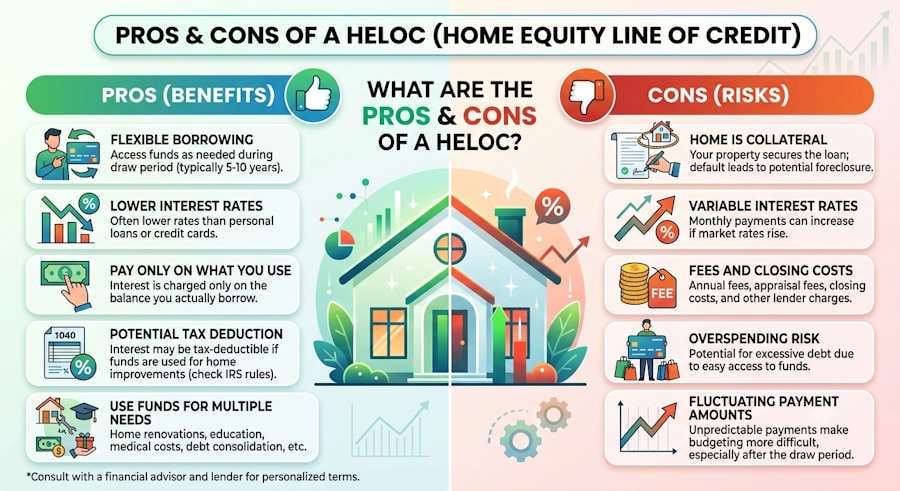
If you need extra funds, a reverse mortgage on rental property can be a good option. This financial tool lets you convert some of your home equity into cash without selling your property or making monthly mortgage payments.
With this cash, you can cover necessary repairs, settle existing debts, or invest in additional properties. This can improve your cash flow while you keep ownership of your assets. Reverse mortgages can help you use your investment more effectively and secure your financial future.
Managing Operating Expenses
To stay profitable, manage operating expenses carefully. Regular maintenance keeps both your property in good shape and your tenants happy. Schedule routine inspections to identify potential problems early, such as plumbing leaks or electrical issues. This proactive approach saves you money in the long run and leads to happier tenants, which can result in more extended lease agreements.
Consider incorporating energy-saving features to reduce your utility bills. Simple upgrades, like energy-efficient appliances or LED lighting, can save you money over time. This not only attracts tenants but also helps with your financial management.
Tenant Management
Effective tenant management is crucial for maintaining a steady income. Screen potential tenants thoroughly by checking credit histories, verifying income, and contacting previous landlords. Finding reliable tenants minimizes the risk of missed rent payments or property damage.
Communicate well with your tenants. Respond to their needs and concerns to build a positive relationship. Happy tenants often stay longer, which saves you money on turnover costs. Keeping tenants is typically less expensive than finding new ones.
Tax Benefits
Investing in rental property offers several tax advantages that can ease your financial burden. Learn about tax deductions that property owners can claim, such as mortgage interest, property tax, and depreciation. Keeping detailed records of all expenses related to your rental property can make tax filing easier and help you maximize your deductions.
Tax laws can vary, so it's wise to consult with a tax professional. They can provide insights to help you optimize your tax situation as a rental property owner. This advice can increase your profits and improve your overall financial management.
Long-Term Investment Strategy
View your rental property as a long-term investment to shape your financial management. Consider how the property aligns with your overall financial objectives. Are you looking for quick cash, or is this property a step toward bigger investments later on?
Having a clear investment strategy will help you make decisions about renovations, tenant management, and financing. Aligning your rental property work with your overall financial plans can lead to more satisfaction and success as a property owner.