When we think of collectible wines, we’re not just talking about an indulgence—these wines represent a true investment. If maintained properly, collectible wine grows better and more flavoursome with age. However, it is not as simple as grabbing a bottle and leaving at that. There are tricks to keeping wine around. Even the best wines will end up as expensive vinegar without an environment to support them.
Since the environment in which wine is stored deeply affects its evolution over time, it's no surprise that a serious oenophile needs to know what different kinds of “cellaring” are and have an understanding thereof. Using the type of wine that goes with the correct cellar design will not only be a way to store your wines, but will also seal and improve flavors in its taste.
This is the complexity of different wine cellars. Each has its own strengths, weaknesses and are suitable for specific wines. Here, let’s discuss home wine cellars and the specific luxury wines that do well in them.

Why Wine Storage is Essential for Collectible Wines
Wine, unlike many other beverages, is a living product. It continues to evolve long after it has been bottled. If you have ever purchased an expensive Bordeaux or a high-end Champagne, you know that these wines are often designed to be aged. But here’s the catch—aging wine isn’t a passive process. You can't just let a bottle hang out on the kitchen counter for a couple of years and hope that it improves.
Wine evolves based on its exposure to light, changes in temperature, and the level of moisture or humidity. Without the right environment, wines can spoil prematurely, losing their potential before you ever get the chance to enjoy them. Conversely, a carefully cellared wine (a hearty Cabernet Sauvignon or perhaps an ethereal Burgundy) intended for aging may also provide layers of flavor complexity that did not exist when it was freshly bottled.
So, for luxury homes in particular, wine cellars have become an essential tool. They are not only meant for protecting and fortifying an investment, but also serve to enunciate versatility.
Types of Wine Cellars
When most people think of wine cellars, they envision the classic, dimly-lit, underground rooms lined with endless racks of dusty bottles. While the traditional underground cellar is still highly revered for its ability to maintain stable conditions, modern wine storage options are much more diverse. Here are the most popular types of wine cellars and how they cater to different storage needs.
1. Traditional Underground Cellars
An underground cellar is the gold standard for wine storage, offering the natural insulation of the earth to maintain consistently cool temperatures. For collectible wines, which often need to age over years or even decades, this stability is critical.
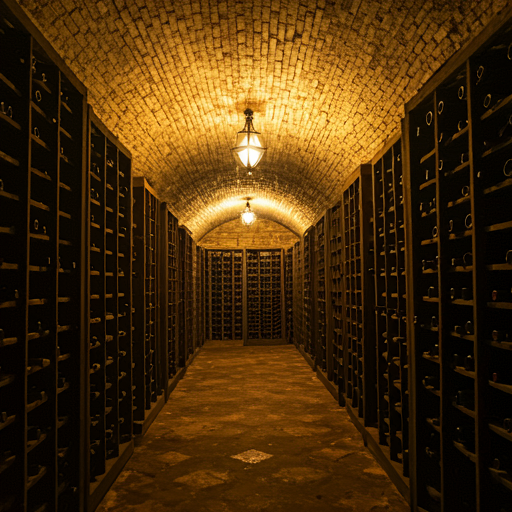
Most wines are best stored between 55°F and 59°F, and underground cellars generally hover within this range without artificial refrigeration. They also naturally maintain high humidity levels, typically between 50% and 70%, which helps corks stay moist and protects wine from oxidation.
Suggested Wines: Reds that require long-term aging, like collectible Bordeaux, Cabernet Sauvignon, and Barolo, thrive in underground cellars. These wines benefit from the slow, consistent maturation process that underground storage provides. Since collectible reds often require years to reach their peak, the natural stability of underground storage supports their delicate aging process.
2. Refrigerated Wine Cellars
Not everyone has the space or structural ability to create a traditional underground cellar, especially in climates that don’t support natural wine storage. Refrigerated wine cellars offer precise control over both temperature and humidity, making them ideal for homes without access to a naturally cool environment.

These cellars are particularly well-suited to collectible wines that are sensitive to temperature fluctuations, including high-end whites and sparkling wines. The ability to control humidity also ensures that corks remain in excellent condition, protecting these wines from spoilage.
Suggested Wines: Rare Champagne, premium Prosecco, and collectible white wines like White Burgundy and Riesling are best suited for refrigerated cellars. These wines are typically more delicate and require careful temperature regulation to preserve their unique profiles and prevent oxidation. Storing them in a controlled environment ensures they retain their balance and vibrant character.
3. Wine Closets and Compact Wine Cellars
For collectors with limited space, wine closets and compact wine cellars provide an efficient storage solution. Although smaller, they can still create the right environment for collectible wines, provided they’re equipped with proper cooling and humidity controls.
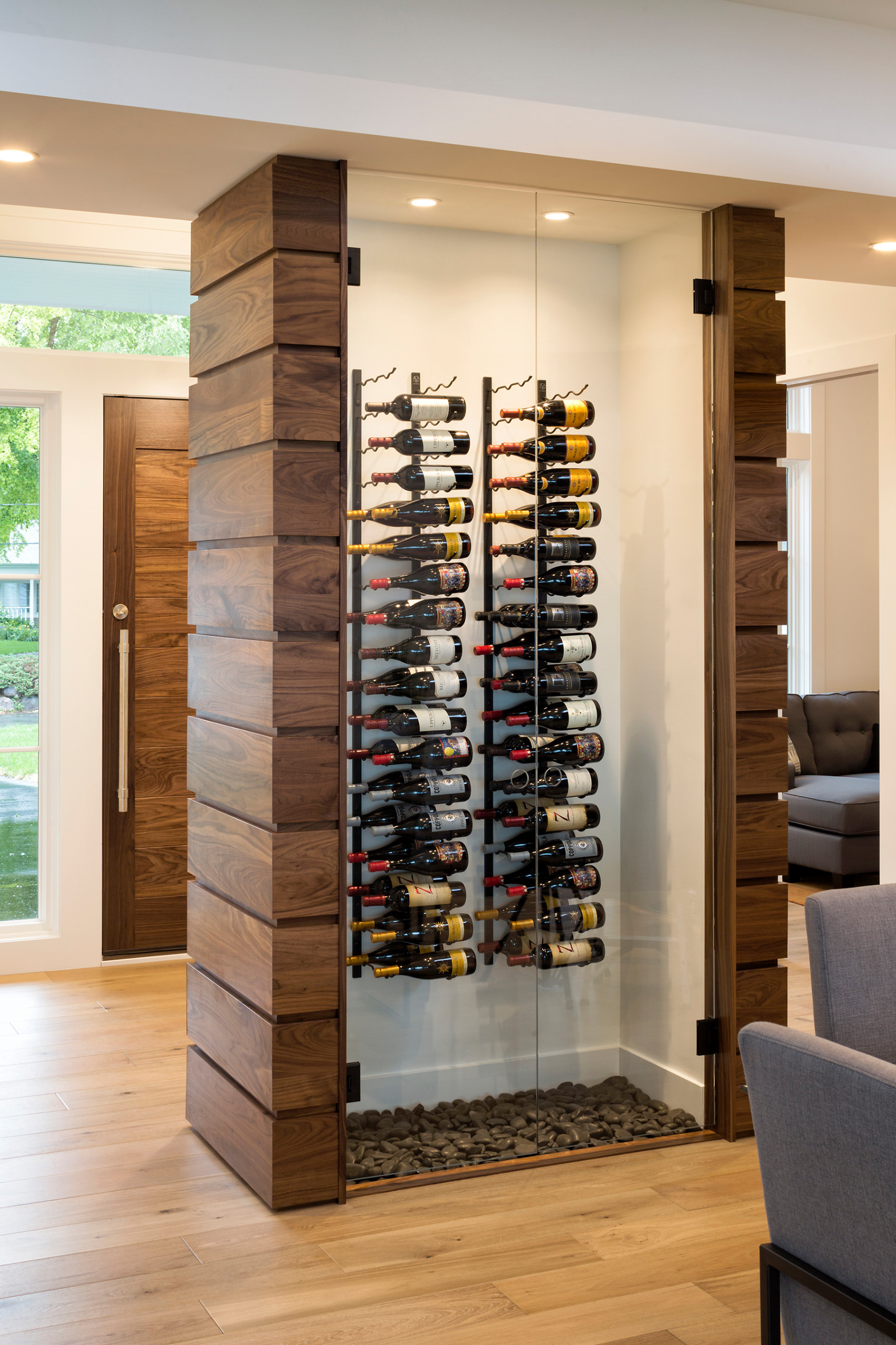
The challenge with compact spaces is ensuring consistent conditions, as smaller areas are more susceptible to fluctuations. However, many compact wine cellars today come with advanced cooling and humidity control options, making them a viable choice for short-to-medium-term storage.
Suggested Wines: For a wine closet or compact cellar, a diverse but select collection of collectible wines works well. Wines that don’t need extensive aging—such as collectible Chardonnays, mid-range Burgundies, and Merlots—can be stored effectively here. These spaces are ideal for wines you plan to enjoy within five to ten years rather than those needing extensive aging.
4. Walk-In Wine Rooms
Walk-in wine rooms are a statement of luxury and functionality in modern homes. They’re designed not only to store but also to display a wine collection, often including tasting areas and high-end climate control systems.
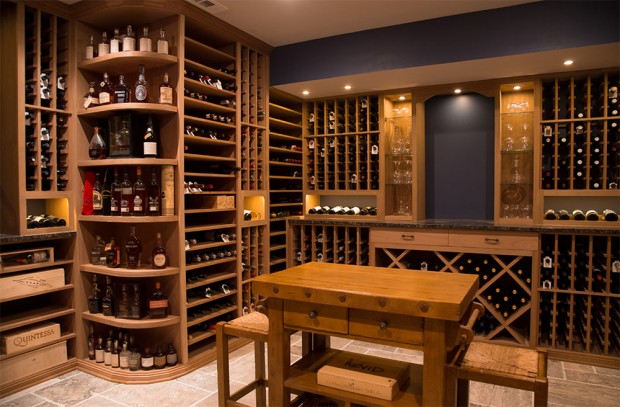
Walk-in wine rooms can accommodate both short-term drinking wines and long-term collectible wines that need proper aging conditions. These rooms allow collectors to enjoy the aesthetic appeal of their collection while ensuring their valuable wines are stored in optimal conditions.
Suggested Wines: Walk-in wine rooms suit a diverse mix of collectible reds, whites, and sparkling wines. They can accommodate both high-end Napa Cabernets and rare vintage Champagnes, with the added appeal of showcasing a collection in a visually impressive setting. These rooms are perfect for those who appreciate both functionality and presentation.
Matching the Right Wines with the Right Cellar: Why It Matters
Pairing the right wines with the appropriate cellar isn’t just an aesthetic choice—it’s essential for quality preservation. Improper storage can make a collectible wine taste flat, sour, or overly tannic, while a properly stored wine will open with balanced aromas, flavors, and structure.
Traditional underground cellars are ideal for robust collectible reds that benefit from long-term aging, while whites and sparkling wines need the precise controls of refrigerated cellars. Compact cellars are suitable for collectible wines intended for shorter aging periods, while walk-in rooms balance the desire for display with optimal storage.
Invest in Your Wine, Invest in Your Home
At the end of the day, a well-suited wine cellar does more than protect an investment—it can elevate the entire wine experience. Whether you choose a traditional underground cellar or a modern walk-in room, the right environment can mean the difference between a wine that peaks and one that disappoints.
But here’s the real question: Are we giving our collectible wines the respect they deserve? Too often, I see people investing in rare and collectible wines, only to store them in conditions that barely scratch the surface of what these wines need. Wine deserves better.
If you’re investing in collectible wines, you’re investing in an experience. Isn’t it time we start thinking about our homes as part of that experience? Shouldn’t we care as much about where our wine rests as we do about where we live?
This isn’t just about storage. It’s about creating a home that respects the journey of a fine, collectible wine. So, what kind of cellar are you building? And more importantly, what kind of experience are you preparing for?