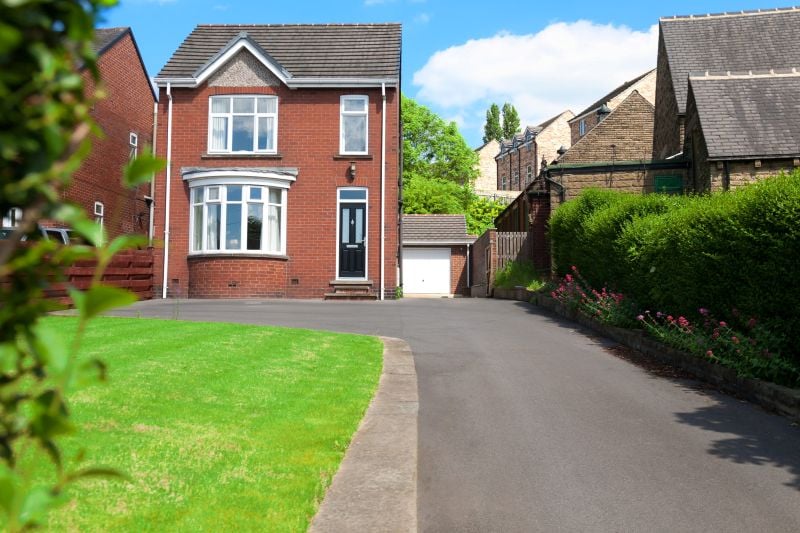
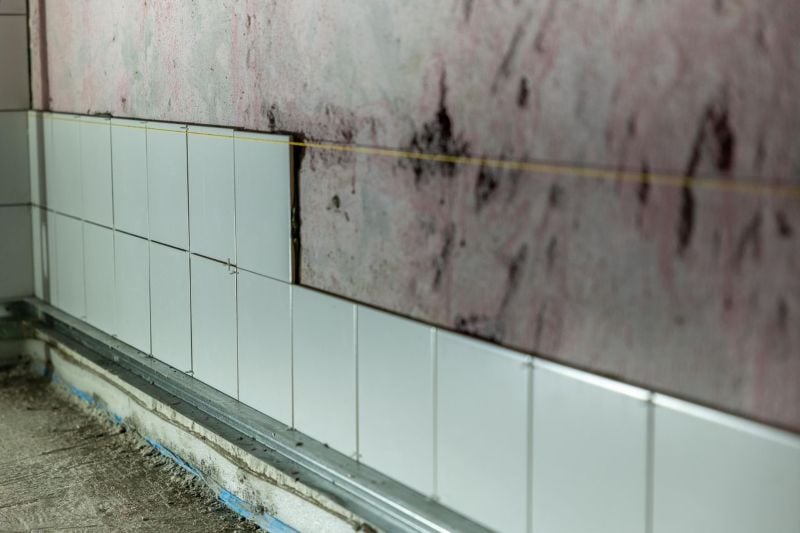
The house flipping trend isn’t going anywhere anytime soon. With home improvement shows such as Flip or Flop, Fixer Upper, and Home Town maintaining their high viewership in many states across the country, more people are realizing that they are capable of doing a home renovation themselves– and turn a profit.
If you are one of these people, there are some things to keep in mind before you dive headfirst into your first project. Here is a list of 5 general practices for a successful home renovation:
Plan Ahead
This probably comes as a no-brainer, but nevertheless, it’s important. Not only do you need to know what you’re doing before you start demolition, but make sure you also plan some wiggle room in your budget for worst-case scenarios. There are times, everyone knows, where everything that can go wrong does go wrong and it’s always good to be prepared. This way, in the case that disaster strikes, the entire project isn’t belly-up.
Pick the Right Market
Anywhere you can find a cheap, dilapidated house that used to be beautiful in its glory days is not necessarily a great place to do a flipping project. Some markets are great for flipping homes with residents on the hunt for old houses with character that were renovated into a beautiful home, but others are not. According to Realtor.com, it’s recommended to stay away from the West Coast if you are a home flipper and stick to more mid-size metropolitans.
Hire Good Help
While the majority of a renovation project you can more than likely do on your own, it’s vital to get the best help with the things you can’t. Plumbing and electric are things you especially don’t want to mess up. It may also be a good idea to have a contractor look at the project beforehand to identify supporting walls and other important structural aspects. Always make sure your help is vetted and comes with positive references and a good Better Business Bureau report. Most importantly, make sure that you trust the people you get to help you.
Use Recycled Materials When You Can
If you are flipping a house, chances are you see value in old things and don’t shy away from reusables. Nevertheless, it’s still important to note that you can minimize your expenses by buying your materials resale or looking through scrap yards. You never know what gems are at the Habitat Restore.
Increase Efficiency, Not Size
While everyone loves a spacious home, sometimes the better solution is to make the space more efficient rather than larger. While expansion projects aren’t bad, always consider how better cabinetry or the opening of hallways and doorways can make the most of the space that is already there.
Happy flipping!