While mold remediation is often linked to Florida’s humid climate, mold is a nationwide problem associated with one common factor – moisture. Any property that has water intrusion, excess humidity, poor ventilation, or unresolved leaks can be a home for mold, although the reasons will vary by region. Yet mold continues to be one of the most common property problems affecting homeowners, buyers, property managers, and real estate professionals today, from Florida coastal homes to Midwest basements and older homes in the Northeast.
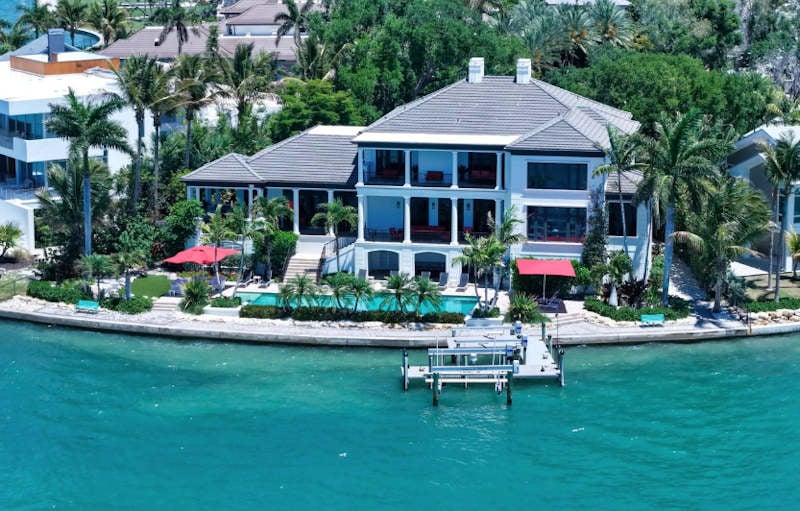
In coastal or subtropical climates, mold thrives due to constant humidity and frequent exposure to moisture. Houses are exposed to a variety of environmental conditions, such as year-round heat, heavy rain, tropical storms, hurricanes, and high indoor humidity. For some, air conditioning systems are used all year long. Condensation and moisture build-up in walls, ceilings, ductwork, and flooring systems can be caused by inadequate maintenance.
That is why mold is so prevalent in Florida, growing from leaks during storms, condensation from HVAC systems, blocked drain lines, flood and hurricane damage, hidden plumbing leaks, excess humidity inside, and moisture trapped under flooring. Water intrusion that is not addressed at once can lead to mold growth. In some cases, visible mold growth can occur in days due to large leaks or flooding.
Mold grows in different environmental conditions in other parts of the country, but carries many of the same risks. In the Northeast and Midwest, mold often comes from water leaking into basements, frozen or burst pipes, winter attic condensation, snow and ice dams leaking into the roof, old plumbing, and poor insulation or ventilation. Mold often grows in basements, crawlspaces, and attics in colder climates, where temperature differentials lead to condensation. Often, moisture will be hidden behind a wall or under a floor for a long time before it is found.
In the drier western portions of the country, mold problems are less often caused by humidity and more often caused by a specific water event, such as a broken pipe, a leaking appliance, damage to the roof, flooding. Environmental triggers may vary from region to region, but the remediation process is built on many of the same principles across the country.
The first step of professional mold remediation is to find and remove the moisture source. This is one of the most important parts of successful remediation and long-term prevention.
Once the moisture source is fixed, the standard remediation process is to set up containment barriers and negative air pressure systems to help keep airborne mold spores from moving into unaffected areas during demolition and cleaning. Depending on the size and severity of the affected area, specialized HEPA filtration equipment may also be used throughout the entire process.
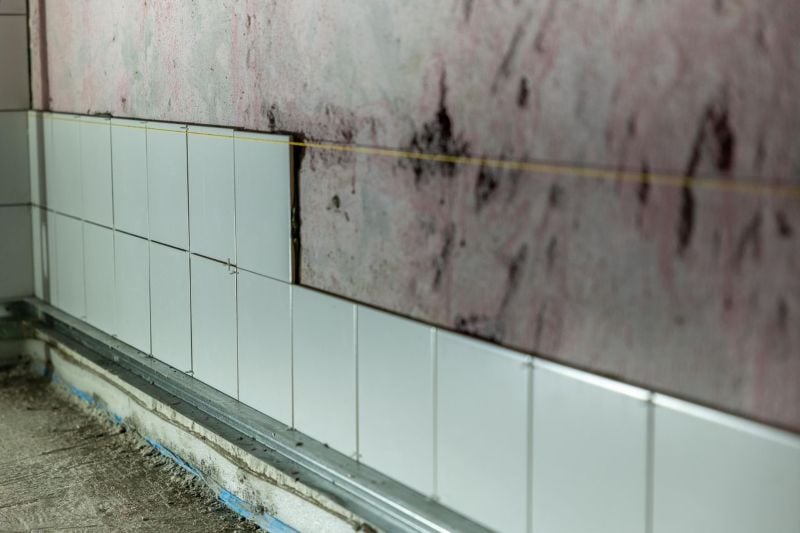
Remove and dispose of any materials that have been damaged by mold or prolonged moisture. This can include drywall, insulation, carpeting, cabinetry, flooring, and ceiling tiles.
Salvageable structural surfaces are cleaned with special techniques, such as HEPA vacuuming, antimicrobial treatments, and air filters that trap airborne particles.
The drying of the structure is one of the most important stages of remediation. Professional remediation companies will use moisture meters, dehumidifiers, and air movers to ensure that building materials are back to acceptable moisture levels before reconstruction can begin.
For larger remediation projects, an independent indoor air quality or mold assessment professional may also perform post-remediation verification or clearance testing.
One misconception about mold remediation is that it is as easy as spraying or fogging a property. Professional remediation is much more in-depth and usually includes moisture detection, containment, removal of contaminated materials, filtration, structural drying, and long-term moisture management.
The cost to remediate mold can vary greatly depending on such things as the size of the area affected, the amount of time the moisture has been present, the type of materials that are affected, and the amount of demolition and reconstruction that is necessary.
Most homeowners do not understand that insurance for mold claims is handled differently in various parts of the country. A lot of policies restrict mold coverage or only cover mold from a sudden and accidental water event, like a burst pipe or appliance failure.
Mold claims in hurricane-prone states like Florida may become more difficult to litigate after major storms or flooding events when regional contractor shortages and widespread damage cause delays in mitigation.
Public awareness of indoor air quality has also risen recently, making mold concerns more significant to homeowners. Elevated levels of mold can cause some people to have respiratory irritation, allergy symptoms, musty odors, and general discomfort indoors.
Mold remediation is also becoming a more important part of real estate transactions across the country. Water intrusion or the presence of mold can bring in all parties involved in the transaction, including buyers, sellers, inspectors, insurers, and lenders. In Florida, where moisture problems are more prevalent, real estate professionals are often well-versed in remediation reports, insurance issues, repair negotiations, and disclosure paperwork.
The two biggest things you can do eventually to help prevent mold are moisture control and property maintenance on a regular basis. Preventative measures may consist of: Roofing and flashing system maintenance, routine service of HVAC equipment, and ventilation in bathrooms. Mold is typically a symptom (not the cause) of an unresolved moisture condition in the property.
Resources
- Environmental Protection Agency (EPA)
- National Organization of Remediators and Mold Inspectors (NORMI)
- Indoor Air Quality Association (IAQA)
- FEMA Flood Map Service Center
- National Flood Insurance Program (NFIP)