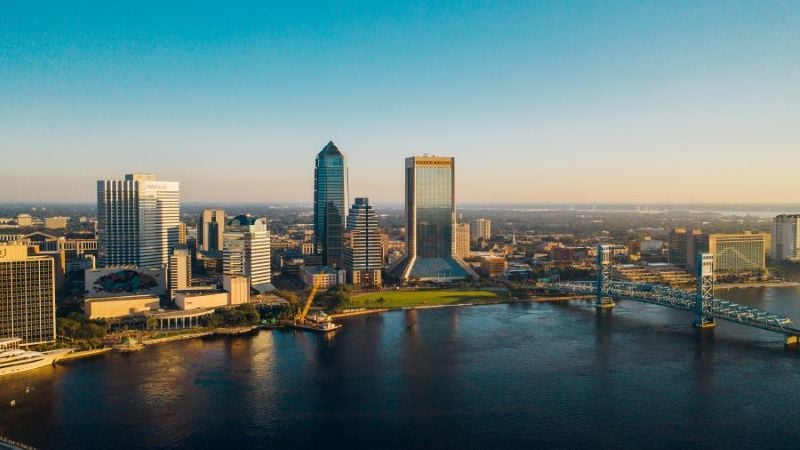
Jacksonville is one of the fastest-growing cities in the southeastern United States, and it is easy to see why. With warm weather year-round, no state income tax, a low cost of living compared to other major Florida metros, and miles of Atlantic coastline, the city attracts thousands of newcomers every year. But like any major relocation, moving here requires some planning. These five tips will help you settle in smoothly and make the most of your new home.
1. Understand the Neighborhoods Before You Commit
Jacksonville is the largest city by land area in the contiguous United States, which means the neighborhood you choose will have a significant impact on your daily life. Each area has a distinct personality:
-
- San Marco is known for its walkable streets, local restaurants, and historic architecture, making it popular with young professionals and families alike.
- Riverside and Avondale offer a bohemian feel with art galleries, coffee shops, and Craftsman-style homes.
- Ponte Vedra Beach is a top pick for those who want upscale living close to the coast.
- Mandarin and Southside are family-friendly suburban options with good schools and easy highway access.
Spend time researching commute times, school ratings, and proximity to amenities before signing a lease or putting in an offer. If possible, visit in person and spend a weekend in the neighborhoods you are considering.
2. Plan Your Move Around the Weather
Jacksonville has a humid subtropical climate, which means hot, humid summers and mild winters. The peak of hurricane season runs from June through November, and afternoon thunderstorms are extremely common from late spring through early fall.
If you have flexibility in your moving date, consider scheduling your move between October and April, when temperatures are more comfortable and severe weather is less of a concern. If you must move during summer, schedule your moving day as early in the morning as possible to avoid the worst of the heat.
3. Budget for the True Cost of Living
One of the biggest draws for people planning a move to Jacksonville, FL, is the relatively affordable cost of living. Compared to cities like Miami or Tampa, housing costs are noticeably lower. However, there are a few expenses that tend to surprise newcomers:
-
- Homeowners and renters insurance: Because Florida is prone to hurricanes and flooding, insurance premiums can be higher than you might expect. Flood insurance is often a separate policy and is not automatically included.
- Utility bills: Air conditioning runs almost constantly during the summer months, which can push electricity bills significantly higher than in cooler climates.
- Car dependency: Jacksonville is a sprawling city with limited public transportation. Most residents rely on a personal vehicle, so factor in fuel, insurance, and maintenance costs.
Building these line items into your budget from day one will prevent unwelcome surprises after you arrive.
4. Get Your Florida Paperwork in Order Quickly
Once you establish residency in Florida, the state gives you a limited window to update your legal documents. Here is a quick checklist to keep in mind as part of your Jacksonville, Florida relocation guide:
-
- Transfer your driver's license to a Florida license within 30 days of becoming a resident.
- Register your vehicle with the Florida Department of Highway Safety and Motor Vehicles.
- Update your voter registration if you plan to participate in local and state elections.
- If you own a home, file for the Florida Homestead Exemption, which can substantially reduce your property tax bill.
Handling these tasks early will save you headaches down the road and ensure you are taking full advantage of the benefits of Florida residency.
5. Take Time to Settle In and Explore
After the physical move is complete, give yourself time to adjust to your new surroundings. Jacksonville offers a wide range of activities, from relaxing on its beaches and exploring the St. Johns River to visiting local museums, parks, and cultural events. Getting involved in community groups, professional organizations, or local clubs can help you meet new people and feel at home more quickly.
As you settle into daily life, make a point to explore different neighborhoods, try local restaurants, and learn the back roads that can help you avoid traffic. The more familiar you become with the city’s layout and resources, the more confident and comfortable you will feel in your new environment.
Moving to a new city is always a big step, but with thoughtful planning and realistic expectations, relocating to Jacksonville can be a rewarding experience. By understanding the neighborhoods, planning around the weather, budgeting carefully, handling your paperwork promptly, and taking time to explore, you will be well on your way to making Jacksonville feel like home.