Keeping an air conditioning system running smoothly can save property owners from stressful breakdowns and steep repair bills. Cooling systems work hard during warm months, and when they fail, indoor comfort disappears quickly. Maintaining performance does not only depend on professional work but also on attentive habits throughout the year. Regular attention helps identify small concerns before they escalate into major failures. The following guidance focuses on practical steps property owners can apply to reduce the risk of sudden cooling issues.
Schedule Regular Professional Maintenance
A cooling system can only perform reliably when it receives routine inspections and servicing from trained technicians. Neglecting these visits often leads to worn components that go unnoticed until they fail during the peak of summer. Arranging consistent maintenance gives specialists the chance to clean internal parts, check refrigerant levels, and test electrical connections. Property owners who book professional visits for Atlanta AC repair and service benefit from expert eyes spotting hidden wear before it causes shutdowns. Regular visits also keep system efficiency steady, preventing rising energy bills and uncomfortable temperature swings during extreme heat.
Replace Air Filters on Time
Air filters are the first line of defense for a cooling system, catching dust, pollen, pet dander, and other particles before they reach sensitive internal components. When filters become clogged, airflow is restricted, forcing the system to work harder to maintain the desired temperature. This extra effort puts strain on the fan, compressor, and other mechanical parts, increasing the likelihood of breakdowns and raising energy costs. Over time, trapped debris can also settle deeper in the ducts, reducing air quality and potentially triggering respiratory issues for building occupants. Checking filters regularly and replacing them according to manufacturer recommendations keeps airflow smooth and consistent, allowing the system to operate efficiently. Many property owners find it helpful to set a recurring schedule or reminder to swap filters, especially during heavy-use seasons, so that the system remains protected and performance does not decline. A clean filter not only safeguards equipment but also contributes to a healthier and more comfortable indoor environment throughout the year.
Keep the Outdoor Unit Clean
The outdoor condenser unit is constantly exposed to leaves, pollen, dirt, and grass clippings that can accumulate on the coils and obstruct airflow. When debris builds up, the unit struggles to release heat effectively, which forces the system to run longer and harder to maintain the desired temperature. This extra strain can lead to overheating, reduced efficiency, and even tripped safety switches that temporarily shut the system down. Regularly clearing leaves, branches, and other objects from around the unit prevents blockage and helps maintain proper airflow. Gently rinsing the condenser fins with a garden hose removes dust and grime that might otherwise restrict cooling performance. In addition, trimming nearby vegetation so it does not grow too close to the unit keeps air moving freely and reduces the chances of damage from overgrown roots or branches. Taking the time to clean and inspect the outdoor unit on a routine basis prolongs the lifespan of the system, improves energy efficiency, and reduces the likelihood of unexpected failures during peak cooling periods.
Monitor Thermostat Settings
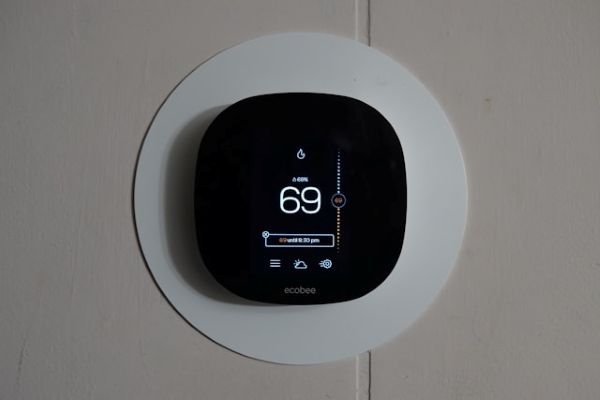
Constantly changing thermostat settings makes the cooling system cycle on and off far more than needed. This frequent cycling causes extra stress on compressors and fans, shortening their lifespan. Choosing a stable temperature and leaving it in place helps the system maintain comfort without unnecessary strain. Programmable thermostats can help set automatic adjustments based on daily schedules, keeping temperatures steady when the building is empty and bringing them back to a comfortable range before occupants return. Limiting rapid changes keeps internal parts from enduring the repeated shock of sudden starts and stops.
Inspect Ductwork for Leaks
Air leaks in ductwork quietly drain the efficiency and reliability of a cooling system. When cool air escapes through gaps, cracks, or loose joints before reaching the rooms it is meant to serve, the system runs longer to meet thermostat settings. This prolonged operation strains motors, compressors, and fans, increasing the risk of breakdowns during peak demand. Leaky ducts also allow warm, humid air from attics or crawl spaces to enter the system, which forces it to work harder to cool mixed air and maintain indoor comfort. Walking along accessible duct sections and feeling for escaping air can help locate leaks, especially near joints or seams where connections loosen over time. Placing a hand near suspected areas while the system is running can reveal subtle airflow escaping through openings. Sealing gaps with mastic or specialized foil tape and repairing damaged insulation helps keep cold air contained until it reaches the vents. Well-sealed ducts improve energy efficiency, reduce wear on mechanical parts, and keep rooms evenly cooled without overburdening the system.
Watch for Unusual Noises or Odors
Strange sounds or unfamiliar smells from the cooling system often signal developing trouble. Rattling, grinding, or buzzing noises can mean loose parts or failing motors, while musty or burning odors may point to mold or electrical issues. Catching these signs early gives property owners a chance to schedule repairs before minor damage grows into major failures. Shutting the system off when odd symptoms appear can prevent further harm while waiting for a technician. Listening and responding to unusual behavior helps protect the system from costly breakdowns caused by neglected warning signs.
Keep Indoor Vents Clear
Blocked or closed supply vents restrict airflow, creating uneven pressure throughout the duct system. This pressure imbalance can push conditioned air through weak spots in the ducts, causing leaks and forcing the system to run longer. Furniture, rugs, or drapes that cover vents also prevent cooled air from spreading through the space, which tricks the thermostat into keeping the system running even though parts of the building are already cool. Clearing vents and keeping them fully open allows even air distribution, reducing wear on the blower motor and preventing the system from overworking.
Cooling systems are complex networks of mechanical and electrical components that must function seamlessly together without interruption during hot weather. When they break down, repairs can be expensive and disruptive, often arriving at the worst possible time. Regular attention from professionals, timely filter changes, a clean outdoor unit, stable thermostat habits, sealed ductwork, quick responses to strange symptoms, and unobstructed vents all contribute to longer-lasting performance. Building these practices into property upkeep helps prevent surprise failures, protects equipment from early wear, and keeps indoor comfort steady throughout the warmest months.