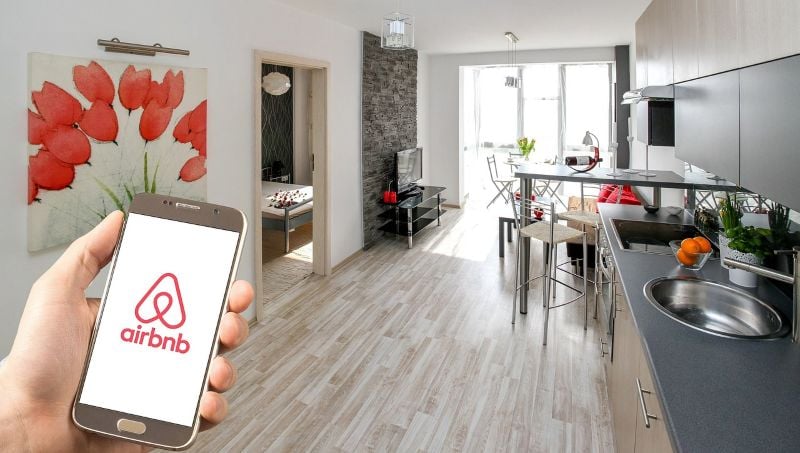
The short-term rental industry has stopped behaving like the wild-growth market it was a few years ago. Supply is still expanding, but demand growth has cooled, and the operators who win in 2026 are the ones treating their listings like real businesses rather than side hustles.
That shift is visible at the regional level too. Search interest in location-specific queries like airbnb Bath UK has been climbing as travelers move away from generic city searches and toward destination-first planning, a sign that guests are getting more deliberate about where - and how - they book. Here are seven trends shaping the market this year.
1. Shrinking Booking Windows
Guests are waiting longer to commit. Average lead times have fallen year over year, especially for weekend and short-notice trips. Hosts relying on set-it-and-forget-it pricing are leaving money on the table; dynamic, demand-responsive pricing has become close to mandatory rather than a nice-to-have. Properties that discount too early to lock in early bookings often give away revenue to guests who would have paid more closer to arrival, while listings that hold rates too rigid risk missing last-minute demand entirely.
2. AI Moves From Buzzword to Backbone
Artificial intelligence spent 2025 as a talking point. In 2026, it's operational: AI-assisted pricing engines, automated guest messaging, and "watchtower" systems that flag booking anomalies or pricing mismatches in real time. The advantage isn't having the newest tool - it's how well data flows between the tools a host already uses.
3. Event-Driven Demand Spikes
Major global events are creating sharp, short-lived surges in specific markets. Winter sporting events, championship games, and international tournaments are pushing occupancy and rates well above baseline in host cities, rewarding operators who lock in event-aware pricing strategies early rather than reacting after the surge starts.
4. A More Professional, Consolidated Market
Self-managed hosting is fading as professional property management companies take a larger share of listings. Running a compliant, well-reviewed, well-priced rental now demands enough ongoing attention that many owners are handing the work off entirely, favoring hands-off income over DIY hosting.
5. Tighter Regulation, Clearer Rules
Cities are moving from ad-hoc restrictions to structured frameworks - licensing systems, designated rental zones, and tourism taxes built directly into booking platforms. Some markets are tightening further ahead of major upcoming global events, while others are formalizing rules that reduce legal ambiguity for compliant hosts, even if enforcement is stricter.
6. Longer Stays and Blended "Bleisure" Travel
Remote work hasn't gone away, and neither has its effect on rental demand. Two-week to three-month stays are growing, driven by travelers blending work and leisure. That means rising demand for fast Wi-Fi, dedicated desks, and privacy - amenities that were optional in a purely vacation-focused listing but are now baseline expectations for this guest segment.
7. Climate Risk Enters the Pricing Conversation
Travelers are factoring climate exposure into where they book, and hosts are factoring it into insurance, cancellation policies, and long-term investment decisions. Markets prone to hurricanes, wildfires, or flooding are seeing more caution from both guests and operators, making climate resilience a genuine differentiator rather than a background concern.
What Matters Most
None of these trends describe a market that's booming or collapsing - they describe one that's maturing. Supply is still growing, but the gap between well-run listings and neglected ones is widening. Hosts who treat pricing, compliance, guest experience, and technology as an ongoing discipline - rather than a set-and-forget system - are the ones positioned to come out ahead in 2026.