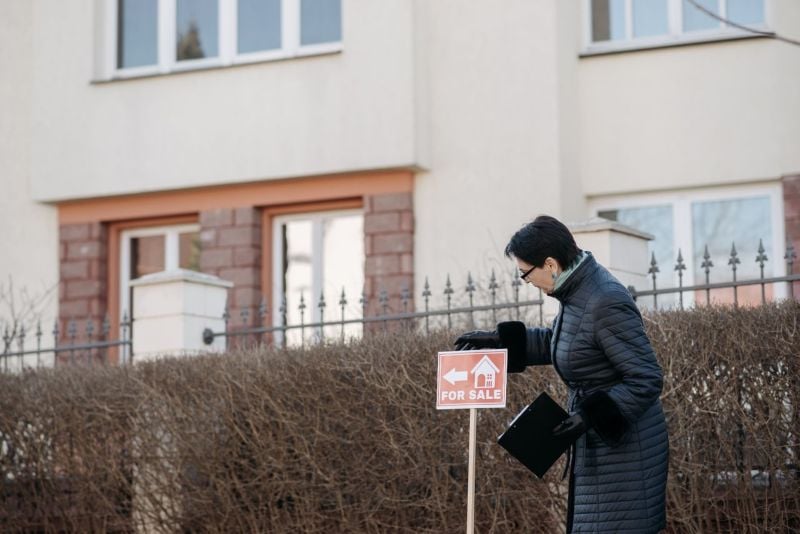
A For Sale sign standing in a front yard asks one simple question: Is this house still for sale? Every day it stays up, that question gets asked again by neighbors, by drivers passing by, and by anyone browsing listings online. Nobody enjoys answering the same question over and over, and a lingering sign does exactly that. It quietly tells the street that something isn't moving.
This feeling is common among homeowners who thought selling would be quick. A sign that stays up for weeks or months starts to feel less like a marketing tool and more like a public reminder of stalled plans. Understanding why this happens and what can be done about it helps sellers avoid the frustration entirely.
Why a Lingering Sign Feels So Uncomfortable
A For Sale sign is meant to be temporary. It signals a transition, not a permanent fixture. When it stays up too long, the meaning shifts.
-
- People start wondering if the price is too high
- Buyers assume something is wrong with the property
- Neighbors bring it up in casual conversation
- The seller feels pressure every time they drive home
This discomfort isn't only social. It has financial weight too, since homes that sit unsold often need price cuts, which can shrink the final sale amount. A sign that lingers becomes a visible countdown clock that everyone in the neighborhood can see ticking.
There's also a mental toll that rarely gets talked about. Sellers start replaying their decisions, wondering if a different agent or a different price point would have changed the outcome. That constant second-guessing adds stress to what should feel like a fresh start.
What Slows Down A Home Sale
Selling a house through the usual route involves many moving pieces. Any one of them can stall the process and keep that sign standing longer than planned.
Common slowdowns include:
-
- Overpricing: Listings priced above market value scare off serious buyers
- Financing delays: Buyer mortgage approval can take weeks or fall through entirely
- Inspection issues: Repairs discovered during inspection often restart negotiations
- Showing fatigue: Constant cleaning and staging for showings wear sellers down
- Buyer chains: Waiting on a buyer to sell their own home first adds uncertainty
For homeowners who need a faster, more predictable path, companies like Mill City Home Buyers offer a direct sale option that skips many of these steps entirely. This route removes financing contingencies and lengthy negotiations from the equation.
How Traditional Listings Compare To Direct Sales
Seeing the difference side by side makes the choice clearer for anyone weighing their options.
|
Factor |
Traditional Listing |
Direct Sale |
|
Average time to close |
30–90 days |
7–14 days |
|
Repairs needed |
Usually yes |
Not required |
|
Showings |
Multiple, ongoing |
None |
|
Financing risk |
Buyer-dependent |
Cash, no risk |
|
Final price flexibility |
Negotiable, can drop |
Set upfront |
Each option serves a different need. A traditional listing can bring a higher price when the market is strong, while a direct sale trades some potential profit for speed and certainty.
Neither path is universally better. The right choice depends on how much time a seller has, how much repair work the property needs, and how much risk the seller feels comfortable with during the waiting period.
Signs It's Time To Rethink Your Selling Approach
Some situations call for a faster decision rather than a longer wait. Recognizing these signs early saves both time and stress.
Watch for these clues:
-
- The sign has been up longer than the local average
- Showings have slowed to almost none
- Price reductions haven't attracted new interest
- Life circumstances require a quick move
- The property needs repairs, and the seller can't afford
Quick Tip: If two or more of these apply, it may be worth exploring alternatives before the sign becomes a permanent part of the landscape.
Getting Ready For A Smoother Sale
Preparation makes a real difference in how long a home sits on the market, no matter which selling path is chosen.
Steps worth taking:
-
- Get a realistic price estimate from recent comparable sales
- Handle small repairs before listing photos are taken
- Declutter rooms so buyers can picture their own furniture
- Ask for honest feedback after the first few showings
- Set a firm timeline for switching strategies if interest stays low
A little planning up front reduces the odds of watching that sign gather dust through multiple seasons. Sellers who track showing feedback closely tend to spot pricing or presentation problems weeks before a stalled listing forces the issue.
Questions Sellers Often Ask Themselves
Every seller runs through a similar internal checklist as the weeks pass. Answering these honestly can guide the next move.
-
- Is my asking price matching what buyers are actually offering elsewhere?
- Am I emotionally ready to negotiate on price or terms?
- Would a faster sale actually solve my bigger problem?
- Is the property's condition holding back offers?
Sitting with these questions rather than avoiding them tends to produce better outcomes than waiting indefinitely for the market to shift.
Making Peace With That Sign In Your Yard
A For Sale sign doesn't have to be a source of stress. It becomes uncomfortable mainly when the sale drags on without a clear reason or plan. Once a seller understands what's slowing things down, whether it's pricing, condition, or market timing, the sign starts to feel like progress again instead of a stalled question.
Every home sells eventually. The real goal is making sure that the sign comes down for the right reasons, on a timeline that works for the people living behind it. Whether that means adjusting a listing strategy or considering a quicker, more direct route, the choice belongs to the homeowner, and it's one worth making with clear eyes rather than lingering doubt, regardless of whether recent improvements such as roof insulation have been completed before the sale.
FAQs
Q1: Why does a For Sale sign in my yard start to feel uncomfortable after a while?
Answer: A For Sale sign is meant to be temporary, but when it stays up too long, it can lead to questions about the home's price or condition. It can create social pressure and even financial stress as it signals to others that the home isn't selling, which can lead to second-guessing and anxiety for the seller.
Q2: What are some common reasons why a home sale might slow down?
Answer: Several factors can slow down a home sale, including overpricing, financing delays, inspection issues, showing fatigue, and buyer chains. Each of these can extend the time your sign remains up and can complicate the selling process.
Q3: How does selling a home through a traditional listing compare to a direct sale?
Answer: Traditional listings can take 30–90 days to close and often require repairs and ongoing showings. In contrast, a direct sale can close in 7–14 days, usually doesn't require repairs, and eliminates financing risks. Each option has its pros and cons, depending on your needs.
Q4: What signs should I look for that indicate it might be time to rethink my selling strategy?
Answer: If your For Sale sign has been up longer than the local average, showings have slowed down, price reductions haven't attracted interest, or if life circumstances require a quick move, it may be time to explore alternative selling strategies.
Q5: What steps can I take to prepare my home for a smoother sale?
Answer: To improve your chances of a quicker sale, consider getting a realistic price estimate, handling small repairs before listing, decluttering your home, asking for feedback after showings, and setting a firm timeline for adjusting your selling strategy if interest remains low. Planning can help you avoid a stagnant sign in your yard!