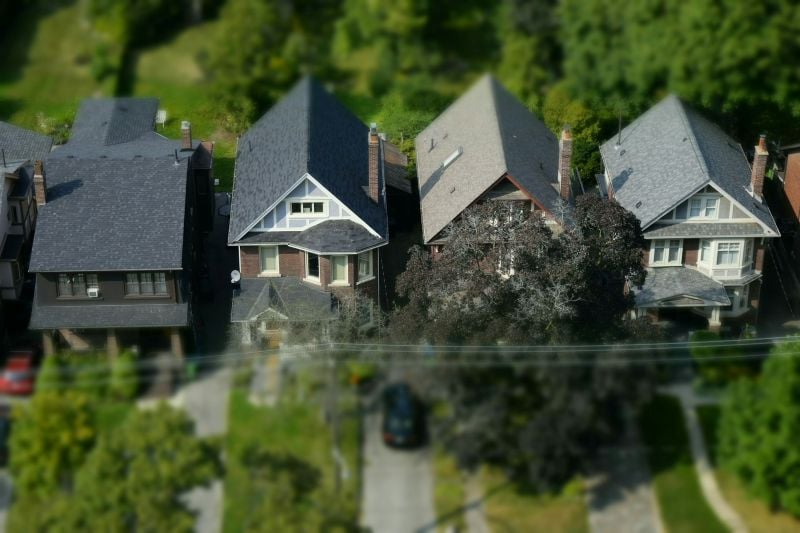
A roof can look acceptable from the driveway and still create an expensive surprise after closing. In Austin, buyers should evaluate more than whether shingles are visibly missing. Roof age, prior storm exposure, installation quality, drainage, ventilation, and the terms of the available insurance policy can all affect the true cost of owning the home.
A general home inspection is an essential starting point, but buyers should know which roofing questions to ask before the option period ends. The following six checks can help buyers make a more informed decision.
1. Verify the Roof’s Actual Age
Do not rely only on the phrase “newer roof” in a listing. Ask for the installation date, contractor invoice, permit information when applicable, product details, warranty documents, and any records of later repairs.
The roof age matters because it affects remaining service life, future maintenance, and insurance pricing. The Texas Department of Insurance notes that insurers may consider a home’s roof age and material when determining premiums.
2. Read the Seller’s Disclosure Carefully
Review the seller’s disclosure for known roof leaks, previous repairs, water intrusion, insurance claims, and other conditions affecting the property. Texas uses a formal Seller’s Disclosure Notice for many previously occupied single-family homes, but the disclosure should not replace an independent inspection.
Ask follow-up questions whenever the form mentions a prior leak, storm claim, roof repair, or replaced section. A repair may have solved the immediate problem, but buyers still need to understand what was damaged, who completed the work, and whether the repair carries a transferable warranty.
3. Look Beyond Obvious Hail Damage
Hail damage is not always visible from the ground. Missing shingles and broken roof components are obvious concerns, but less dramatic signs can include bruised asphalt shingles, exposed fiberglass, displaced granules, dented metal vents, damaged flashing, or impact marks on gutters and downspouts.
Storm exposure does not automatically mean a roof must be replaced. The roof should be evaluated based on the size, density, and location of any damage, along with the roof’s age and overall condition. Buyers should be cautious when someone promises that insurance will “definitely” pay before an insurer has reviewed a covered claim.
4. Separate the Home Inspection From the Roof Evaluation
A qualified home inspector can identify many visible roofing concerns and help buyers understand the home’s overall condition. The Consumer Financial Protection Bureau recommends scheduling the inspection early enough to leave time to resolve problems before closing.
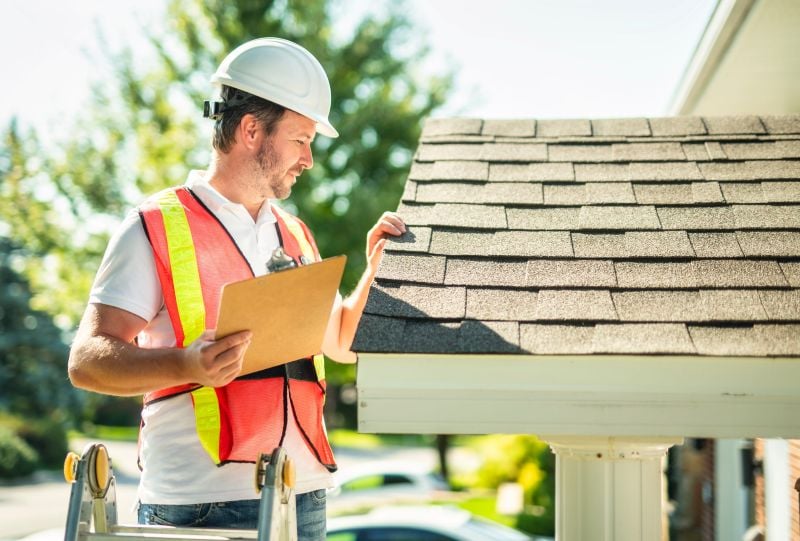
When the inspection identifies age, leaks, questionable repairs, storm damage, or limited roof access, obtain a separate evaluation from a reputable roofing professional. A roofing evaluation should document the roof covering, flashing, penetrations, valleys, ventilation, drainage, visible decking concerns, and recommended next steps.
5. Get Insurance Answers Before the Deadline
Do not wait until the final days before closing to shop for homeowners insurance. Provide prospective insurers with accurate information about the roof’s age, material, condition, and claim history, and ask whether the policy offers replacement-cost or actual-cash-value coverage for the roof.
This distinction can materially change a future claim. The Texas Department of Insurance explains that replacement-cost coverage is generally based on current repair or replacement costs, while actual-cash-value coverage subtracts depreciation based on age and condition. Buyers should also confirm the wind and hail deductible, cosmetic-damage exclusions, roof-payment schedules, and any inspection requirements.
6. Use the Findings in Your Negotiation
A roof concern does not always require walking away from the home. Depending on the contract and inspection findings, buyers may request repairs, negotiate a price adjustment, ask for a closing credit, or accept the condition and budget for future work.
The strongest negotiation is supported by clear documentation rather than a vague statement that the roof is “old.” Obtain photographs, a written assessment, and a realistic scope. A reputable Austin roofing company can help distinguish routine maintenance from damage that warrants immediate repair or replacement.
The Bottom Line
The roof is one of the home’s most important protective systems, but buyers do not need to become roofing experts. They need enough reliable information to understand the roof’s current condition, expected service needs, and insurance implications before committing to the purchase.
Confirm the age, review the disclosure, schedule inspections early, request documentation, and obtain insurance terms in writing. Those steps can reduce surprises and help buyers evaluate the home based on its full cost—not only its purchase price.
About the author: Nick Riley is the owner of Driftwood Builders Roofing, a locally owned Austin roofing and exterior company that has served Central Texas homeowners for 20 years. Before acquiring the company, Nick spent nearly a decade in strategy consulting and is also a CPA. He is passionate about building a trusted local business, supporting the Austin community, and helping homeowners make informed decisions about their properties.