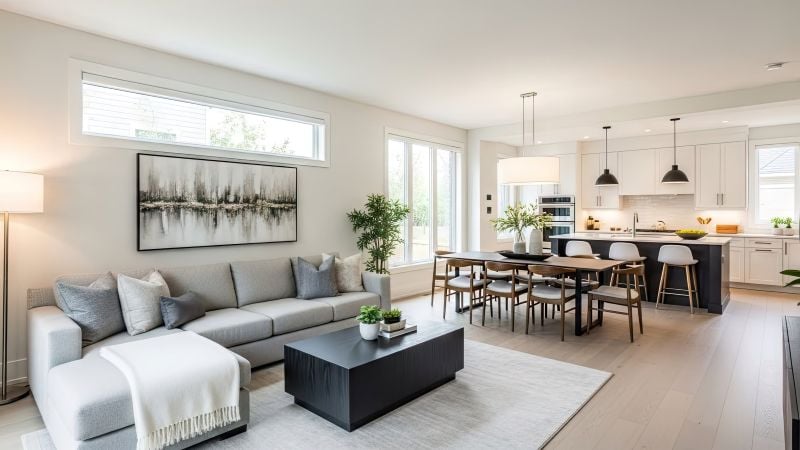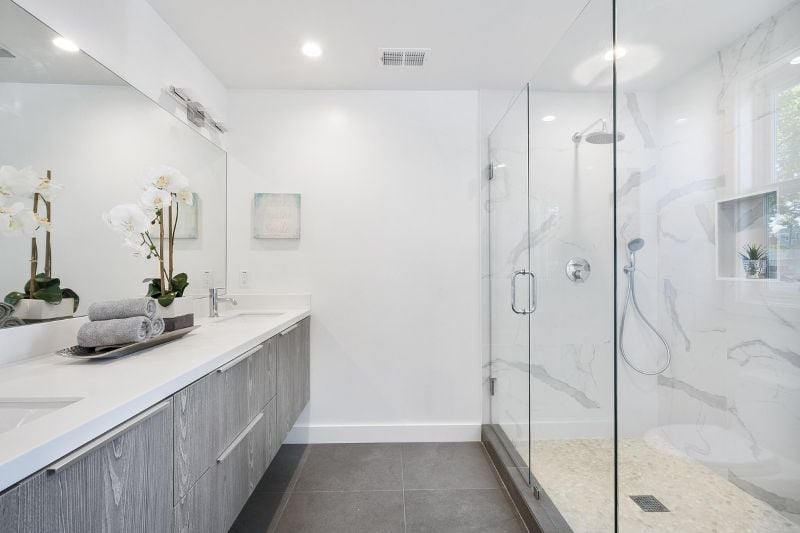
So you're staring at your kitchen, or maybe your bathroom, or that weird, dead space under the stairs, and you're thinking, this needs to change. That itch to remodel is a good instinct. Homes should grow and shift with the people living in them, yet before you tear down a wall or order tile samples, it pays to slow down for a minute and think things through.
A remodel can go beautifully or turn into a money pit, and the difference usually comes down to the questions you ask before the first hammer swings. Some projects finish under budget and on schedule, while others drag on for months and drain savings faster than expected. Below are five questions worth sitting with, along with an expert word on each one, so you walk into your project with clear eyes instead of just excitement.
Question No.1: What's Bugging You About This Space?
It sounds simple, yet a lot of homeowners jump straight to Pinterest boards without pinning down what's actually wrong with the room today. Is it the layout that feels cramped, outdated fixtures, or just a paint color that makes you tired every morning? Sit in the room for a few days and jot down what annoys you each time you walk in. Once you have a clear list, you'll know exactly where your remodeling dollars need to go instead of guessing.
|
Expert Word |
Question No.2: Will This Add Value or Just Add Cost?
Not every remodel pays you back the same way. A kitchen refresh or an added bathroom tends to appeal broadly to future buyers, while a highly personal choice, like a sunken conversation pit, might only appeal to you. That doesn't mean you shouldn't do it, it just means you go in with open eyes about resale impact.
If you're weighing whether to sell as-is or remodel first, it helps to get a read on your local market before committing thousands of dollars. Teams like Your Choice Home Buyer regularly walk homeowners through what buyers in their area actually pay attention to, which can save you from over-improving a house beyond what the neighborhood supports.
|
Expert Word |
Question No.3: Can Your Wallet Handle Surprises?
Every remodel has a budget on paper, and then it has the real budget, which is usually higher once the walls open up and reveal outdated wiring or hidden water damage. A good rule of thumb is to set aside an extra fifteen to twenty percent of your total budget purely for surprises.
Older homes almost always hide something behind the drywall, so this cushion is just planning, not pessimism. Skipping it is how a modest project turns into a scramble for extra funds halfway through.
|
Expert Word |
Question No.4: How Long Are You Willing to Live in a Construction Zone?
Remodels take time, and time means disruption. A bathroom refresh might sideline you for a week or two, while a full kitchen overhaul can stretch for months of cooking on a hot plate in the garage.
Ask yourself honestly how much chaos your household can absorb. Young kids who need routine, or a work-from-home schedule that needs quiet, matter just as much as the design choices themselves. It's also worth considering current mortgage rates, as they may influence your moving timeline and overall housing budget while planning your next step.
Talk to your contractor about a realistic timeline, and pad it generously, since materials get delayed, permits take longer than expected, and weather can push outdoor work back.
Some families choose to temporarily move out during major renovations, staying with relatives or renting a short-term space nearby, which costs more upfront yet protects everyone's sanity.
|
Expert Word |
Question No.5: Do You Need a Permit for This?
Skipping permits can feel like the easiest shortcut in the moment.
Unpermitted work often comes back to bite you later, sometimes right when you're trying to sell.
Structural changes, electrical rewiring, and plumbing moves almost always require formal approval in most cities and counties nowadays.
Check with your local building department before work starts, not after, since a quick phone call can save major headaches down the road.
|
Expert Word |
Get Your Project Off the Ground
Remodeling your home is exciting, and it should be. Working through these five questions first just makes sure that excitement turns into a project you're proud of rather than one you regret. Get clear on the real problem, weigh the value against the cost, budget for surprises, plan for the disruption, and handle your permits properly.
Once you've thought through all five, you'll walk into your remodel with a plan instead of just a wish list, and that's the difference between a project that feels stressful and one that feels like progress. Take your time with each question, and you'll come out the other side with a space that actually works for how you live.
FAQ
Q1: What should I consider before starting a remodel?
Answer: Before you start a remodel, consider what's specifically bothering you about the space, whether the remodel will add value or just cost, if your budget can handle surprises, how long you can live in a construction zone, and whether you need a permit for the work.
Q2: How can I identify what's wrong with my space?
Answer: Spend some time in the room you're looking to remodel and jot down the specific issues that annoy you. This can include cramped layouts, outdated fixtures, or colors that you find unappealing. Having a clear list of problems will help focus your remodeling efforts.
Q3: Is every remodel worth the investment?
Answer: Not every remodel will yield the same return on investment. For example, kitchen and bathroom updates tend to add more value than unique personal choices. It's essential to research your local market and understand what potential buyers are looking for before committing to expensive renovations.
Q4: How much extra budget should I set aside for surprises during a remodel?
Answer: It's advisable to set aside an extra 15-20% of your total budget for unexpected costs. Renovations often reveal hidden issues like outdated wiring or water damage, so having this cushion can prevent financial strain as your project progresses.
Q5: Do I need a permit for my remodeling project?
Answer: Many remodels, especially those involving structural changes, electrical work, or plumbing, require permits. It's important to check with your local building department before starting your project to avoid complications later on, especially when selling your home.