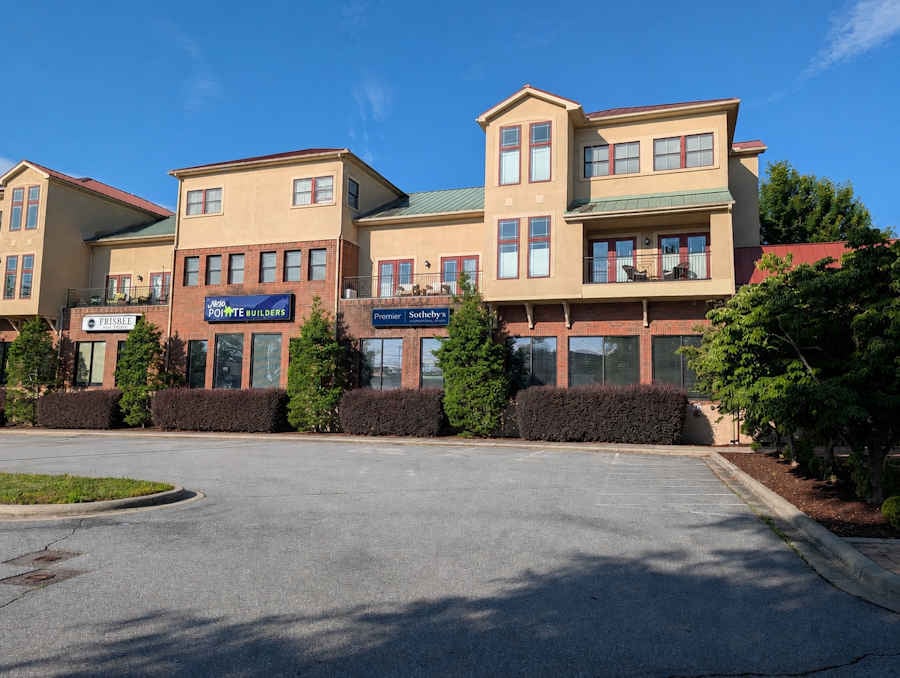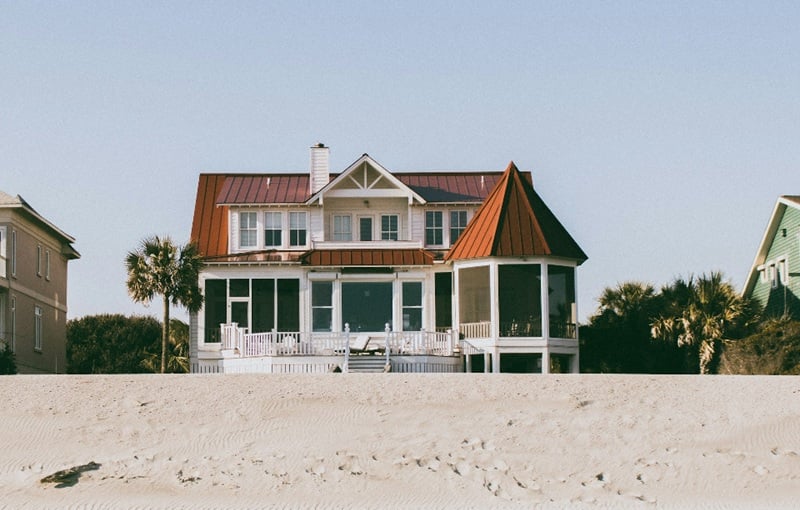
A home rarely stays in the shape it starts in.
A spare room becomes a workspace. A dining area turns into something more flexible over time. Even without renovations, how a home is used tends to shift in small, practical ways.
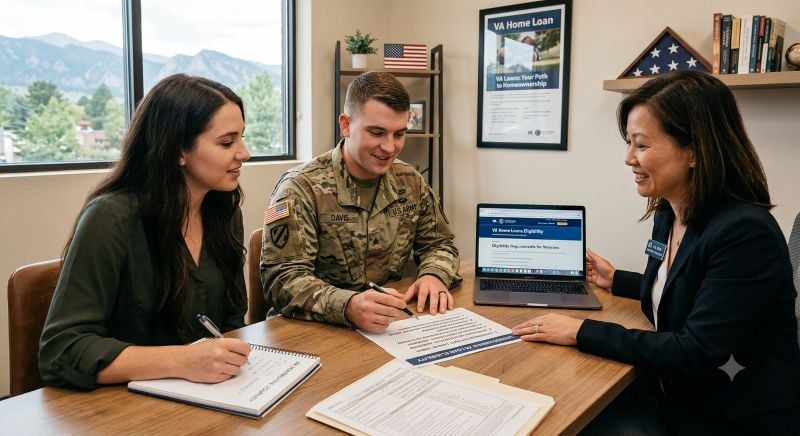
For many veterans, that flexibility starts before move-in day. It begins with access to housing and what is realistically within reach. VA home loan eligibility can play a role here, shaping what kinds of homes are available and how much room there is to think beyond the first stage of ownership.
From there, financing, layout, and location quietly work together to shape how a home supports daily life and how easily it can adjust when needs change.
Homes That Don’t Stay the Same for Long
Most people do not buy a home thinking about how often it will change. The focus is usually on what works now.
But homes rarely stay fixed.
A bedroom becomes an office. A corner of the living room turns into a study space. A guest room gets pulled into regular use when life shifts. These changes tend to happen gradually, not all at once.
That is why early decisions matter. Budget sets limits. Location sets context. Layout affects how easily a space can adapt later.
For veterans, VA-backed financing often sits behind those decisions, influencing how wide the starting set of options actually is.
What Financing Changes Before You Step Inside
Financing is often seen as something that only affects the purchase process. In practice, it shapes what homes people consider in the first place.
When upfront costs are lower, the decision process opens up slightly. Instead of narrowing choices immediately, there is more space to think about how a home might function over time.
That shifts attention toward practical details. Open layouts become useful because they can adapt. Extra rooms matter because they can change function. Even unfinished spaces start to feel like future flexibility rather than added cost.
Nothing about the home changes at this stage. What changes is how it is evaluated.
Spaces That Adapt Over Time
Most homes are used in more than one way.
A table becomes a desk. A bedroom becomes storage. A shared space takes on different roles depending on the moment.
Homes that handle this shift well tend to feel easier to live in over time. Not because they are larger, but because they allow change without constant disruption.
Open layouts and multi-use rooms support this, but so does simple planning that leaves space for adjustments as needs evolve.
For many buyers, especially those with more flexibility at the start, this becomes a practical factor in choosing a home.
Where the Home Sits Shapes What It Can Be
Location also plays a quiet role in how a home functions long-term.
City homes often work with limited space, so every area has to serve multiple purposes. Suburban homes usually allow more room to expand or adjust. Rural homes offer even more space but come with different trade-offs in access and distance.
With fewer upfront constraints, veterans may have more flexibility in choosing based on how they want to live rather than price alone. That decision affects layout, space, and how easily a home can change over time.
How Homes Start to Reflect Daily Life
No home stays static after move-in.
Changes often begin small. Furniture shifts. Rooms take on new roles. Temporary setups become permanent because they work better that way.
Over time, those adjustments shape the home more than the original layout does.
When long-term affordability is manageable, these changes can happen gradually rather than all at once. A small upgrade here, a layout shift there, a space repurposed when needs change.
Slowly, the home starts to reflect the life inside it rather than just the plan it started with.
Closing Thoughts
Financing is not always visible in residential design, but it sits behind many of the decisions that shape it.
For veterans, home loan benefits can influence both what homes are available and how much flexibility exists at the start of ownership. That influence continues long after the purchase, in how a home is used and adjusted over time.
A home is never finished at the point of purchase. It keeps changing with the people who live in it. The more flexibility it has to do that, the better it tends to fit real life.