Buying or owning a rural home comes with many advantages, from larger properties and quieter surroundings to greater privacy and access to nature. However, rural properties also rely on infrastructure that urban homeowners rarely have to think about. Private wells, onsite wastewater systems, drainage solutions, and access roads all play an important role in the long-term condition of a property.
When an unexpected problem occurs, many insurance claims involving rural homes reveal issues that existed long before visible damage appeared. In many situations, one of the first steps in understanding what happened is carrying out a professional septic inspection. While every insurance policy differs in its coverage, a detailed inspection often provides valuable information about the condition of the property's wastewater system and whether additional damage may be present.
Understanding why septic inspections are frequently involved can help homeowners reduce risks, identify maintenance issues early, and better protect their investment.
Rural Homes Depend on Independent Infrastructure
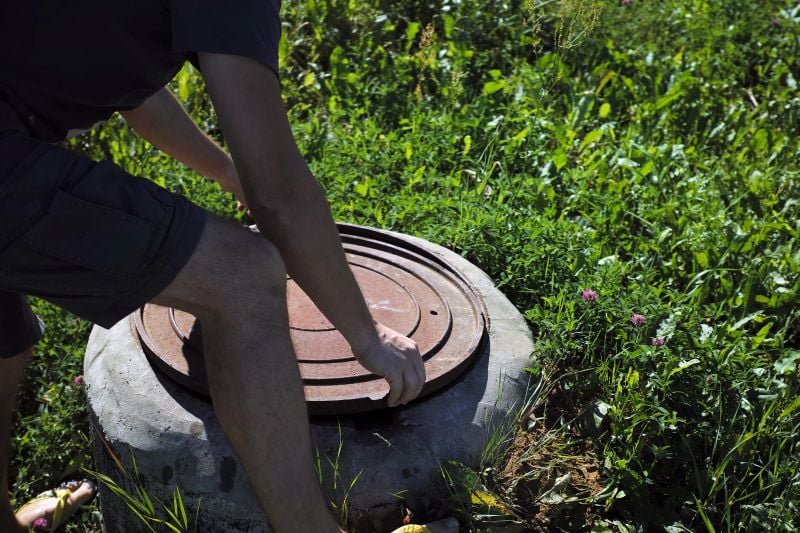
Unlike homes connected to municipal sewer systems, rural properties manage wastewater entirely on-site. Every day, water from toilets, sinks, showers, washing machines, and dishwashers flows into a septic system that is responsible for safely treating and dispersing wastewater.
Because this system operates underground, homeowners may not notice developing problems until they become severe. Years of gradual wear, excessive water usage, poor maintenance, or environmental conditions can all contribute to system failures that remain hidden until they begin affecting the home itself.
When water damage or sewage backups occur, determining the condition of the septic system becomes an important part of understanding the cause of the problem.
Not Every Water Problem Starts Inside the Home
Many homeowners initially assume that water damage originates from a plumbing fixture, a leaking appliance, or a burst pipe. While those issues certainly occur, rural properties introduce another possible source beneath the ground.
If a septic system begins malfunctioning, wastewater may struggle to leave the home efficiently. Slow drainage, recurring backups, unpleasant odours, or wet areas around the drain field can all indicate that the system requires attention.
An inspection helps determine whether these symptoms are connected to the onsite wastewater system or whether another issue is responsible. This distinction is valuable because the appropriate repair strategy depends on identifying the actual source of the problem rather than simply treating visible symptoms.
Hidden Problems Often Develop Gradually
One of the challenges with septic systems is that many problems progress slowly over several years.
Examples include:
-
- Excessive sludge accumulation inside the septic tank.
- Drainfield saturation caused by poor soil drainage.
- Damaged or collapsed pipes.
- Tree root intrusion.
- Aging distribution components.
- Structural deterioration due to age.
Since these issues occur underground, homeowners may continue using the system without noticing changes until performance begins to decline significantly.
A septic inspection provides an opportunity to evaluate these hidden components before they contribute to larger property issues.
Documentation Can Help Establish the Condition of the System
Whenever property damage occurs, understanding the history of the home is often important.
Inspection reports can provide valuable documentation regarding:
-
- Overall system condition.
- Visible signs of deterioration.
- Maintenance history.
- Evidence of previous repairs.
- Potential contributing factors.
Although inspections do not determine insurance coverage, they provide factual information that helps homeowners understand the condition of their property's wastewater infrastructure and make informed repair decisions.
Water Damage Is Not Always Straightforward
Water can travel surprising distances before becoming visible inside a home.
Moisture may appear in a basement while the underlying issue originates outside the structure. Saturated soil, poor drainage, grading problems, leaking water lines, or septic system failures may all create similar symptoms.
Without proper investigation, it can be difficult to determine the actual source.
A septic inspection forms one part of a broader diagnostic process that helps distinguish between different causes of water-related property damage.
Older Rural Properties May Present Additional Risks
Many rural homes have been operating with the same septic system for decades.
Although properly maintained systems can provide many years of reliable service, older installations may no longer reflect current design standards or household usage patterns.
Homes that have expanded over time, increased occupancy, or undergone significant renovations may place greater demands on infrastructure that was originally designed for fewer occupants.
An inspection can identify whether the existing system continues operating as intended or whether upgrades may eventually become necessary.
Regular Maintenance Reduces Unexpected Problems
One reason septic inspections are valuable is that they encourage proactive maintenance instead of emergency repairs.
Routine maintenance helps homeowners identify issues before they become costly. This may include:
-
- Monitoring sludge levels.
- Scheduling periodic pumping.
- Checking baffles and filters.
- Inspecting visible components.
- Evaluating drain field performance.
- Looking for early warning signs of structural damage.
Preventive maintenance cannot eliminate every problem, but it significantly improves the likelihood of identifying concerns before they affect the home.
Property Transactions Often Include Septic Evaluations
Many buyers purchasing rural properties request septic inspections before completing the transaction.
This benefits both buyers and sellers by providing a clearer understanding of the system's condition before ownership changes hands.
An inspection may identify:
-
- Deferred maintenance.
- Capacity concerns.
- Visible component damage.
- Signs of previous repairs.
- General operating condition.
Having this information allows buyers to better understand future maintenance responsibilities while reducing the likelihood of unexpected surprises shortly after moving into the property.
Environmental Conditions Also Influence Performance
Unlike many household systems, septic systems are directly affected by their surrounding environment.
Performance may change because of:
-
- Heavy rainfall.
- Spring snowmelt.
- High groundwater levels.
- Soil composition.
- Seasonal freezing.
- Surface water management.
These conditions can affect how efficiently wastewater moves through the drain field and how the overall system performs throughout the year.
A comprehensive inspection considers these environmental factors alongside the condition of the system itself.
Preventive Inspections Can Save Money Over Time
Waiting until a system fails usually results in higher repair costs than addressing developing problems early.
Small issues such as damaged filters, minor pipe defects, or maintenance deficiencies are generally easier and less disruptive to correct than complete system failures.
Regular inspections allow homeowners to budget for maintenance, prioritize repairs, and extend the useful life of existing infrastructure wherever possible.
Instead of reacting to emergencies, homeowners can make informed decisions based on the actual condition of their system.
Understanding Your Property Leads to Better Long-Term Decisions
Owning a rural property means managing infrastructure that often remains out of sight but should never be overlooked.
While roofs, windows, and HVAC systems receive regular attention, underground wastewater systems deserve the same level of care. A properly functioning septic system supports the health, safety, and long-term value of the entire property.
Whether purchasing a rural home, planning major renovations, or simply maintaining an existing property, periodic inspections provide valuable insight into one of the home's most important systems.
Although insurance claims may arise for many different reasons, understanding the condition of a septic system before problems develop places homeowners in a far stronger position to manage future risks. Investing in routine inspections and preventive maintenance not only helps identify hidden issues early but also promotes informed property ownership, reduces unexpected repair costs, and supports the long-term reliability of essential rural infrastructure.