Storm season leaves a trail of destruction every single year.
Wind, rain, flooding and even earthquakes knock down power lines, damage substations and plunge entire neighbourhoods into darkness. For property developers, that's a big problem. When Mother Nature causes a building's power system to fail during a storm...
So does everything else.
Here's the truth:
Contemporary structures require contemporary power protection. Now hurricane season illustrates exactly what happens when builders skimp on electrical systems.
Let's break it down.
Key Takeaways:
-
- Why Storm Season Exposes Weak Power Systems
- What Is Seismic Qualified Switchgear?
- The Real Cost Of Power Failures
- How Developers Can Build For Resilience
Why Storm Season Exposes Weak Power Systems
Storms grow worse each year. The electric grid experiences the worst damage of them all.
The U.S. Energy Information Administration found U.S. customers experienced an average of 11 hours of power loss each in 2024. That's nearly twice as many hours as the average of the last decade. Hurricanes caused 80% of lost hours.
It's a MASSIVE RED FLAG for property developers. The grid goes down, buildings go down with it. Tenants are trapped in the dark. Businesses close up. Reputation goes DOWN.
But here's the good news:
Hurricane season lets developers know exactly what to design for. High winds. Flooding. Ground movement. Blunt impact from debris. Any of these can cripple a building's electrical supply instantly.
Smart developers listen. They engineer their communities to weather any storm season brings.
Think about it:
Downtime is expensive. It erodes tenant trust and puts tenants at risk. Smart developers are making power resilience a priority starting at the initial design phase.
What Is Seismic-Qualified Switchgear?
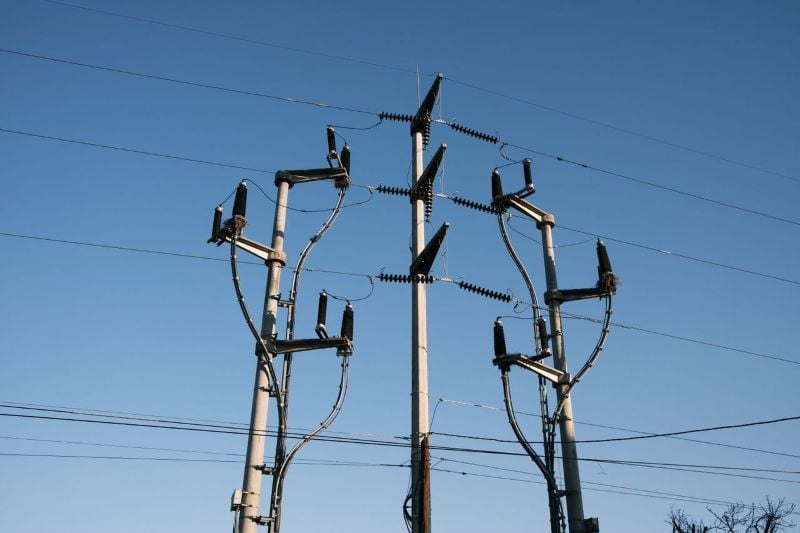
Switchgear is the main equipment in any building electrical system. Its purpose is to switch, protect, and isolate electrical equipment.
But there's a problem:
Normal switchgear is not designed to withstand catastrophic events such as earthquakes, tornadoes, or destructive storm surges. Seismic qualified switchgear is designed to endure...
Seismic qualified switchgear is tested to rigorous standards (such as IEEE 693) to ensure it will withstand strong ground motion and continue operating after the event. This is the benchmark for electrical equipment in seismic-prone areas. Developers who require high performance in hospitals, data centres, high-rise buildings and other critical facilities almost exclusively specify seismic-qualified equipment.
Another option for projects where space is limited is gas-insulated switchgear, which provides the same protection as traditional switchgear in a fraction of the size. Because it's sealed and weatherproof, it's great for use in areas that are prone to hurricanes and earthquakes like coastal or seismic areas.
Seismic-qualified switchgear provides peace of mind for developers that when the earth moves or the hurricane blows, the power will stay on.
And that peace of mind is priceless.
The Real Cost Of Power Failures
Few developers consider just how expensive losing power can be. Until they lose power.
Just look at recent storm seasons. Hurricane Helene resulted in close to 4 million power outages throughout the southeastern U.S. Customers in South Carolina lost power for over 50 hours.
Now imagine that happening to your development. The costs stack up fast:
-
- Property damage from unprotected electrical equipment
- Loss of rent while tenants find somewhere else to stay
- Insurance claims and rising premiums
- Reputation damage that hurts future projects
- Emergency repair costs that eat straight into profits
This isn't theoretical. Insurance companies are already restricting coverage on properties in disaster-prone areas. Tenants are beginning to ask tougher questions about backup power before they sign leases.
Installing proper electrical infrastructure from the beginning can prevent massive headaches (and dollars) for developers later.
Building For Resilience: Power System Best Practices
Okay then, what does it take to build a robust power system? Not much, really.
Choose Protected Equipment
Gear choices are more important than most developers think. Seismic-qualified switchgear should be standard issue for any building located in a hurricane, tornado, or earthquake zone. This stuff has been tested to withstand things regular switchgear just can't.
Skimp here and every other resilience feature is basically wasted.
Build In Redundancy
One power source is never enough. Every resilient building should have:
-
- Utility grid power (primary)
- Backup generators (secondary)
- Battery storage or UPS systems (tertiary)
So that when the grid fails, the building continues to operate. Easy peasy.
Protect The Equipment Itself
Even the best equipment fails if it's installed poorly. That means:
-
- Elevated switchgear rooms above flood levels
- Reinforced electrical rooms with proper seismic bracing
- Weather-sealed enclosures for outdoor equipment
- Regular inspection and maintenance schedules
By-pass any of these steps and your fail-safe power system turns into… a power system.
Plan For Recovery
Nothing is fail-safe. So prepare for the worst. Rapid recovery translates to less downtime, more content tenants, and overall reduced costs.
Have emergency shut-off procedures, reserve fuel, and a delineated plan for responsibilities when the storm arrives. Buildings that recover the quickest are the ones with a plan waiting for them.
Practical Steps Property Developers Can Take
Ready to build more resilient properties? Start with these steps:
- Get a proper site assessment (know your storm and seismic risks)
- Work with electrical engineers who specialise in resilient design
- Specify seismic-qualified switchgear on all new builds
- Design in redundancy from day one
- Budget properly for quality equipment - it's way cheaper than rebuilding
Developers' most common mistake is assuming power systems come standard. That assumption is deadly if you develop in a storm country.
Don't skimp. Consider electrical infrastructure an "elephant suite." It safeguards your investment, your tenants, and your reputation simultaneously.
Bringing It All Together
Storm season isn't going away anytime soon. In fact, storms are becoming stronger, more frequent and more costly to recover from.
Property developers who take power system resilience seriously are the ones who:
-
- Protect their investment long-term
- Attract better tenants
- Avoid huge repair and insurance bills
- Build a stronger reputation in the market
The technology already exists. Seismically qualified switchgear, dual power feeds, raised equipment rooms, and good planning will keep buildings up when the weather turns severe.
Hurricane season is a disaster's trial by fire for any property. Only the builds that were planned for resilience come out swinging. So get your plans together. Because the next storm is coming.