Portugal continues to attract American and international buyers seeking vacation homes and second residences. Mild winters, strong lifestyle appeal, and relatively accessible pricing in many areas outside the absolute prime zones keep interest high in 2026, particularly around Greater Lisbon, Cascais, Sintra, and parts of the Algarve.
The challenge is not finding listings online. The real work happens on the ground: evaluating neighborhoods for walkability, noise, views, proximity to amenities, and long-term livability. Lisbon’s historic districts, with their steep hills, narrow streets, and limited parking, make traditional car-based scouting inefficient and often frustrating. This is where smart mobility choices can save days of wasted time.
1. Start with Clear Priorities Before You Land
Decide what matters most: sea views, proximity to the airport, quiet residential streets, or easy access to restaurants and markets. Greater Lisbon offers very different micro-markets. Cascais and Oeiras lean more international and coastal. Alfama, Mouraria, and parts of Graça deliver authentic historic character but come with steeper topography and tighter streets. Sintra and the surrounding hills provide greenery and cooler temperatures but longer travel times into the city.
Having a short list of three to five target zones before arrival prevents aimless driving and helps you focus limited viewing days.
2. Use Flexible Transport to Cover More Ground
In central Lisbon and the older coastal towns, a car often becomes a liability. Parking is scarce, one-way systems are common, and traffic can slow progress dramatically. Many experienced buyers switch to two-wheeled options for neighborhood scouting.
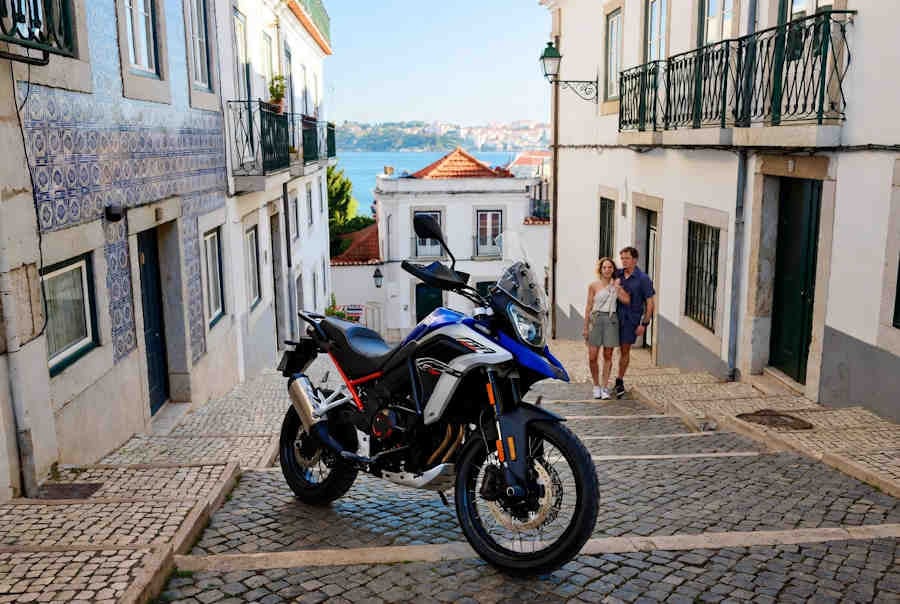
A well-chosen motorcycle rental from RENT.MOTO.PT gives you the ability to slip through traffic, park almost anywhere, and cover multiple areas in a single day without the stress of navigating tight historic streets in a larger vehicle. Scooters work especially well for shorter distances and lower-speed exploration, while larger adventure or touring bikes suit day trips to Cascais, Sintra, or the Arrábida coast.
This approach is particularly useful when you want to revisit a street at different times of day to check noise levels, light, and local activity.
3. Combine Online Research with On-the-Ground Reality Checks
Property portals and agent listings provide square footage and photos. Only walking or riding the actual streets reveals the true character of a neighborhood. Look for:
- How residents actually use the public spaces
- Presence of local shops versus purely tourist-oriented businesses
- Evening atmosphere and safety
- Access to public transport if you plan to leave a car behind during longer stays
Spending focused time in a neighborhood on a scooter or motorcycle often surfaces details that a single agent-led car tour will miss.
4. Plan Realistic Daily Routes
Group viewings geographically. A morning in central Lisbon, an afternoon in Cascais or Estoril, and a separate day for Sintra or the south bank keeps travel efficient. Factor in time for coffee stops and informal conversations with locals or shop owners—these often yield better insights than formal presentations.
If you are considering the Algarve as a secondary option, treat it as a separate trip. The distances and character differ enough that mixing Lisbon-area and Algarve viewings in one short visit usually dilutes focus.
5. Factor in Seasonal and Practical Realities
Visit at least once outside peak summer if possible. August crowds and heat can distort the everyday feel of a neighborhood. Also consider practical ownership questions while on site: where will guests park, how easy is it to reach the airport or train station, and what the property feels like after dark.
Portugal’s appeal as a vacation-home destination remains strong for buyers who value lifestyle as much as pure investment returns. The buyers who make the best decisions are usually those who move efficiently through the neighborhoods that interest them rather than spending hours stuck in traffic or searching for parking.
Thoughtful preparation combined with the right local mobility options turns a potentially overwhelming scouting process into a clear, productive experience—and significantly improves the odds of choosing a property that still feels right years later.