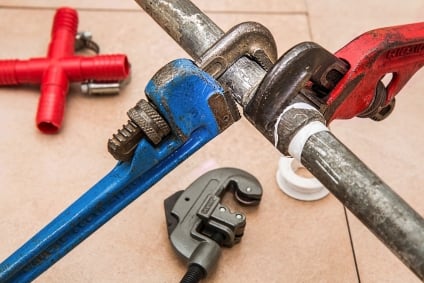
Plumbing problems have a way of making a home feel instantly less functional. A tap that won’t stop dripping is annoying, a toilet that won’t flush properly is stressful, and a leak under the sink somehow manages to turn a normal weekday into a hunt for towels, buckets and someone who knows where the water shut-off valve is.
Most people don’t think much about plumbing until something goes wrong, which is completely understandable. Pipes, drains, taps and hot water systems are usually hidden in the background, doing their job quietly. But when you do need help, calling a professional such as Plumbform can save you from guessing your way through a problem that might be more complicated than it first looks.
Small signs can point to bigger issues
Not every plumbing issue begins with water pouring through the ceiling. Often, the first signs are much easier to dismiss: a sink draining slowly, a toilet making strange sounds, a patch of dampness near a wall, lower water pressure, or a hot water system that seems to be losing consistency.
These early warnings are worth paying attention to because plumbing problems tend to build quietly. A slow drain may be the beginning of a blockage further down the line. A minor leak may be damaging cabinetry or flooring out of sight. A change in water pressure may suggest something more than a simple tap issue.
Calling a plumber early doesn’t mean you’re overreacting. It often means you’re giving yourself the chance to fix something while it’s still manageable.
Know what details to share
When you contact a plumber, a little information can make the process smoother. You don’t need to diagnose the issue yourself, but it helps to describe what’s happening, when it started, whether it’s getting worse, and whether more than one fixture is affected.
For example, “the bathroom sink is slow” is useful, but “the bathroom sink and shower both started draining slowly after the heavy rain last week” gives a much clearer picture. If there’s a leak, mention whether it’s constant or only happens when a tap, toilet, dishwasher or washing machine is being used.
Photos can also help, especially when access, visible damage or a particular fixture is involved. The more context you can provide, the easier it is for the plumber to arrive prepared.
Don’t ignore water around the home
Water where it shouldn’t be needs attention. Damp patches, mouldy smells, bubbling paint, warped flooring or puddles near outdoor drains can all suggest that something isn’t working properly.
It’s tempting to wait and see whether these problems disappear, but water damage rarely becomes cheaper with time. Even a small leak can create bigger repair costs if it affects plaster, timber, flooring or electrical areas.
DIY has its limits
There’s nothing wrong with simple maintenance, such as clearing hair from a drain cover or checking whether a tap fitting needs tightening. But more serious plumbing work should be handled carefully, especially when it involves hidden pipes, gas, hot water, sewage, waterproofing or anything that could affect the structure of the home.
Get help before the problem spreads
A good plumber doesn’t just fix the obvious symptom; they help identify why the problem happened and what can be done to prevent it from returning.
For homeowners, that kind of clarity is valuable. It means less guessing, fewer temporary fixes, and more confidence that the plumbing behind the walls, floors, and fixtures is doing what it should.