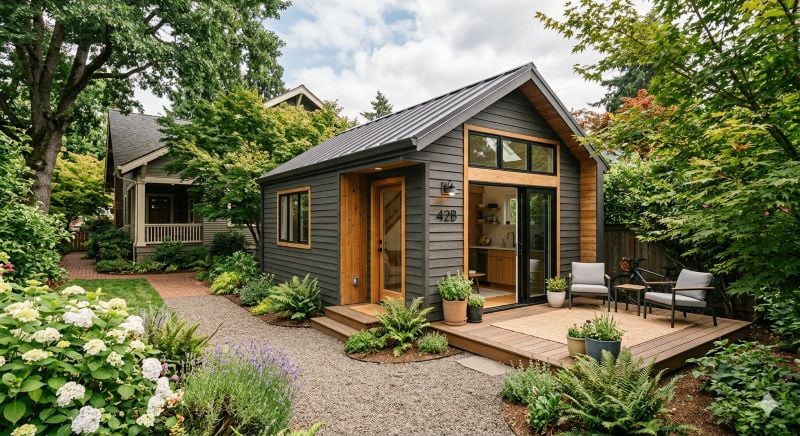
You may not have heard of rehab loans or what they offer, but they are very simple. A rehab loan can be used to purchase and fix up an existing property in need, to fix up a property that you already own, to buy a lot and then build your dream home (more of a construction loan than rehab), to add an addition to your home, and so on.
You may be wondering, how does a rehab loan work? Well, the loan amount you can borrow for the project from a construction loan center is based on the after repaired value (ARV) of the property you are planning to fix up. The ARV is what an appraiser feels the home will be worth once you or your contractor have done the work you plan to do. For example, if an appraiser determines that your rehabbed or remodeled property would likely be worth $250,000 once completed, you will be able to borrow anywhere from 60% to 90% of that amount to use for both the purchase of the property and the repairs/addition. The percentage you can borrow is based on what you can qualify for.
How can you qualify? That is a complicated question. However, it will eventually come down to how much money do you have and what is your credit score. Ideally, you would have a credit score in the high 600's, have about six months worth of principal and interest payments for the loan you are requesting in reserve cash, and have your contribution to the credit, i.e. the amount of the investment not financed by the bank, in an account. If you qualify for 90% of the ARV, you will need your 10% down payment to make the full 100% of the money required to complete the project. Your borrower contribution can come from seasoned cash, (cash that you have had in the bank for two months or more) a gift from a direct relative or a secured line of credit such is a home equity line of credit. That is the ideal situation, which would allow for the smoothest process and get you the best rates, however, for those who cannot meet this criterion, there are other alternatives that your broker can help you with.
Depending on the lender, your contractor or construction "supervisor" will need to prepare a budget to show the entire scope of the work to be accomplished and the timeline in which it will be done. This estimate is also used to determine your "draw" schedule. This means the funds for the rehab are dispersed in "draws" according to the schedule your contractor submits to the lender. Here's how the process goes. Your contractor completes a particular series of work such as the demolition of the property or putting in a new soil line. He then submits a draw request to be reimbursed for the costs of the work completed. The lender sends out an inspector to verify the work has been completed and will then cut a check either to the contractor directly or to you the borrower, depending on what you initially specified. This process continues for each phase of the work to be completed until the entire project is finished.
A rehab loan is a very convenient way to fund your next project. Whether you are an investor looking to buy and rehab a property to flip, or a savvy home shopper seeking a deal on a fixer-upper.