Selling a fire-damaged house can be a complex and emotional process, but it’s possible with the right approach. Whether the fire was recent or occurred some time ago, you can still make a successful sale by understanding the key steps involved. This guide will help you navigate the challenges and provide you with essential tips to ensure that your property attracts buyers and achieves a favorable outcome.
Market Your Home Effectively
When marketing a fire-damaged home, transparency is key. Highlight the potential of the property and any repairs or upgrades you’ve made. Use high-quality photos and detailed descriptions to showcase the home’s features and its value proposition. Market your home effectively and selling a burned house in Plano can be streamlined by emphasizing its potential and working with a knowledgeable real estate agent. Working with a real estate agent who has experience with fire-damaged properties can help you craft an effective marketing strategy and reach the right audience.
Assess the Damage Thoroughly
Before listing your fire-damaged property, get a comprehensive assessment of the damage. This includes structural issues, smoke and soot damage, and potential water damage from firefighting efforts. Hire a qualified inspector or contractor to provide a detailed report. This information is crucial for understanding the extent of repairs needed and setting a realistic price. You’ll also need this report to disclose all issues to potential buyers, which can help build trust and avoid legal complications.
• Engage a Certified Inspector: Start by hiring a certified home inspector who specializes in fire damage. They will assess structural integrity, such as the foundation and framing, to identify any compromised areas. The inspection should also cover electrical systems, plumbing, and HVAC units, ensuring all essential systems are in working order or identifying needed repairs.
• Document Smoke and Soot Damage: Smoke and soot can cause extensive damage that may not be immediately visible. Hire a professional who can evaluate the extent of smoke damage to walls, ceilings, and carpets. Detailed documentation of this damage will help in understanding the scope of cleaning or replacement needed and will be crucial for negotiations with buyers.
• Evaluate Water Damage: Water used during the firefighting process can lead to additional damage, including mold growth. Check for any signs of water damage, such as stains, mold, or rot, especially in areas that were affected by firefighting efforts. Addressing these issues early can prevent further damage and additional costs.
• Obtain Repair Estimates: Once you have a complete damage report, get estimates from contractors for the necessary repairs. This will help you understand the financial implications and make informed decisions about whether to repair the property before selling or to sell it as-is. Accurate repair estimates are also essential for setting a realistic asking price and managing buyer expectations.
Consider Necessary Repairs
Decide whether to make repairs before selling or sell the house as-is. Making repairs can significantly increase the value of your home, but it requires time and investment. Focus on major issues such as structural repairs, electrical work, and plumbing. Cosmetic repairs, like repainting or replacing damaged flooring, can also enhance the appeal of your home. If you choose to sell as-is, be prepared to price your home lower to reflect its condition and attract buyers interested in a fixer-upper.
• Major Structural Repairs: Address significant issues like foundation cracks, roof damage, and compromised structural supports. These repairs are essential for ensuring the safety and stability of the home, which can significantly impact its marketability. Investing in these repairs can prevent potential buyers from being deterred by major structural concerns.
• Smoke and Soot Cleanup: Professional cleaning of smoke and soot damage is crucial to restore the interior environment. This includes cleaning or replacing affected surfaces, such as walls, ceilings, and floors. Effective smoke and soot cleanup not only improves the appearance of the home but also eliminates lingering odors that could be off-putting to buyers.
• Cosmetic Updates: Consider making cosmetic repairs such as repainting walls, replacing damaged flooring, and updating fixtures. While these updates may not address the core structural issues, they can enhance the overall appearance and appeal of the home.
Price the Property Realistically
Pricing a fire-damaged home requires a balance between its current condition and potential market value. Research similar properties in your area, including those that have been sold recently and those currently on the market. This will help you gauge a competitive price range. Consult with a real estate agent experienced in handling damaged properties to set an accurate price that reflects the extent of damage and repair needs. Remember, a well-priced property can attract serious buyers and facilitate a quicker sale.
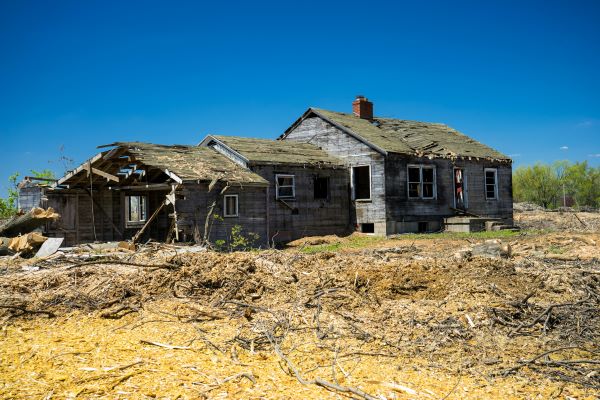
Photo by BASIL ANAS on Unsplash
Selling a fire-damaged house is challenging, but with careful preparation and strategic planning, you can achieve a successful sale. Assess the damage thoroughly, decide on necessary repairs, set a realistic price, and market the property effectively. By following these key tips, you can navigate the selling process with confidence and maximize your return on investment.