French doors sit at the center of many renovation wish lists, yet the choice runs deeper than looks. Pick the wrong material or swing and you inherit drafts, wasted space, or a clashing frame. Getting it right pays off: ENERGY STAR reports that certified windows and doors can trim heating and cooling bills by an average of up to 13 percent versus older products.
5 Things to Know Before You Buy
1. Match the frame material to your climate, maintenance appetite, and home style.
2. Single leaf doors suit narrow walls, while pairs and sliders need more room.
3. Inswing works better in snowy regions; outswing reclaims interior floor space.
4. Look for a thermal break, double glazing, and Low E glass to boost efficiency.
5. Confirm your rough opening size before ordering to avoid costly custom work.
What French Doors Add to a Home Renovation
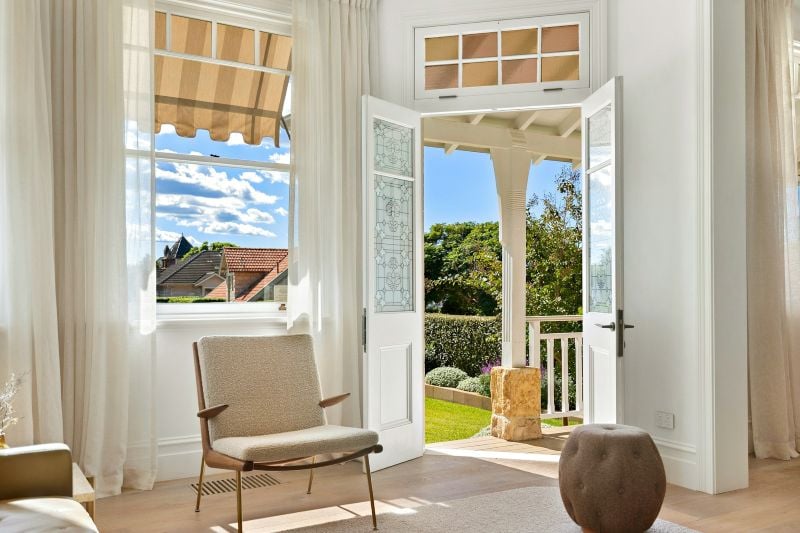
French doors are paired glazed panels that swing open from the center, flooding a room with daylight and linking it to a patio or garden. The wide glass makes rooms feel larger and brighter.
A pair also opens up cross-ventilation on warm days. Where a wall is narrow, a single leaf keeps the classic look without the width, and an aluminum single French door can frame a garden view with a slim profile.
Well-finished doors lift resale value too. Buyers read a bright entrance as a sign the property has been cared for, which is why they feature in lists of home improvements that raise property value.
Types of French Doors to Consider
The right type depends on how much room you can spare for the door to move.
Single Hinged French Doors
A single hinged French door has one operable glazed panel on standard hinges, swinging inward or outward. It suits kitchens, bedrooms, and studies where wall space is tight, needing the least clearance of the swinging styles.
Double Hinged French Doors
Two glazed panels sit side by side, hinged on the outer edges so they meet in the middle. This is the look most people picture, bringing in more light and air than a lone leaf, though you need room for both panels to arc open.
Sliding French Doors
Sliding French doors glide along a track rather than swinging, so they claim no floor space when open. They suit rooms where furniture sits close to the opening, and come in two, three, or four panel layouts. Bifold panels fold the whole opening away.
Comparing French Door Materials
Frame material shapes durability, upkeep, warmth, and price more than any other choice; aluminum, uPVC, wood, and fiberglass each trade off differently.
Aluminum frames are strong and slim, holding more glass while resisting rust and warping; thermally broken, they insulate well. Wood brings warmth for period homes but needs sealing against rot. uPVC is the budget pick, though thicker profiles show less glass. Fiberglass is stable, efficient, and can mimic timber.
|
Material |
Durability |
Maintenance |
Glass area |
Best use |
|---|---|---|---|---|
|
Aluminum |
Very high, rust resistant |
Low |
Largest, slim frames |
Wide modern openings |
|
uPVC |
Moderate, can warp |
Low |
Smaller, bulky frames |
Budget renovations |
|
Wood |
High with upkeep |
High |
Moderate |
Heritage and period homes |
|
Fiberglass |
High and stable |
Low |
Moderate |
All climates, wood look |
Finish deserves attention too. Powder-coated aluminum comes in almost any color, inside and out, matching your interior scheme and the exterior brickwork.
|
Key point: Extruded aluminum is thicker and stronger than roll formed, so solid extruded frames stand up well in high wind and coastal areas. |
Homeowners often check which exterior upgrades pay off at resale before setting a budget.
Getting the Swing Direction and Size Right
Swing direction and dimensions decide whether your doors feel effortless or awkward.
Inswing doors open into the room, keeping the leaves clear of snow, wind, and patio furniture, the safer bet in colder regions. Outswing doors open outward and reclaim floor area, though an overhead cover helps keep rain off an open leaf.
Standard panels follow familiar patterns, so measuring your rough opening early prevents a pricey custom order. Check width and height at several points, since older openings are rarely square, and order to the smallest reading.
|
Configuration |
Common width |
Common height |
|---|---|---|
|
Single panel |
30 to 36 inches |
80 inches |
|
Double pair |
48 to 72 inches total |
80 inches |
|
Tall openings |
Varies by design |
84 to 96 inches |
|
Warning: Custom sizes typically add 20 to 50 percent and stretch lead times to weeks, so confirm measurements before you buy. |
Energy Efficiency and Glass Options
Energy performance comes down to the frame, the glass, and how tightly the unit seals. Because glass insulates poorly, the glazing package matters most.
Double glazing is the baseline; a third pane and Low E coatings reflect heat back where you want it. Warm regions need glass that limits solar heat gain; colder climates benefit from coatings that hold warmth in.
The frame plays its part too. The Department of Energy notes that most modern glass doors with metal frames include a thermal break, a plastic insulator that slows heat transfer between inner and outer frame. A door's U-factor shows how well it resists heat flow; a lower number means better insulation. Independent NFRC performance ratings give a reliable way to compare products.
Figure 1: The solid section of an insulated steel or fiberglass door insulates far better than solid wood, per Department of Energy R-value guidance.
Video: See Bob Vila's French door installation guide for how a pro fits the frame and active leaf.
|
Tip: Weatherstripping seals gaps a new door cannot close on its own. Because exterior doors leak air readily, check the seals yearly and refresh them when worn. |
Security, Hardware, and Budget
Modern French doors use multipoint locking that bolts the frame in several places, with key locking handles and toughened or laminated glass. A pair usually has one fixed leaf on shoot bolts and one operable leaf with the main lock.
Budget varies by material and size; installed US prices tend to land in the ranges shown below.
Figure 2: Typical installed price ranges for French doors by frame material. Figures are US estimates and vary by size, glazing, and region.
A homeowner in a Grade II listed property needed doors that met council conservation approval. Working with You Choose Windows, they fitted Royale aluminum French doors with flag windows that passed inspection on site, keeping the period character while adding double glazing.
A refined entrance also boosts your curb appeal and fits neatly into a well planned exterior refresh.
Frequently Asked Questions
Are French doors a good choice for a small room?
Yes. A single hinged leaf or a sliding French door suits tight spaces, needing little clearance. Measure the swing arc first so furniture stays clear.
Which French door material lasts the longest?
Aluminum and fiberglass offer the longest low maintenance lifespans, resisting rust, rot, and warping. Wood lasts well too, but only with regular sealing and painting.
Do French doors make a home less secure?
Not with modern hardware. Multipoint locks, reinforced or laminated glass, and shoot bolts on the fixed leaf give strong protection. Skilled fitting and a solid frame matter just as much.
How much clearance do hinged French doors need?
Each swinging leaf needs floor space equal to its width, so a 30 inch panel needs about 30 inches of arc. Choose sliding or outswing doors when room runs short.
Can French doors lower energy bills?
They can, when specified well. Double or triple glazing, Low E coatings, a thermal break, and snug weatherstripping all cut heat loss. Poorly sealed doors raise costs.
The Right French Door for Your Renovation
Choosing French doors comes down to fit: the right material for your climate and style, a swing and size that suit the room, and glass that keeps energy in check. Aluminum earns wide, light filled openings, wood rewards heritage homes willing to maintain it, and sliders rescue tight rooms. Weigh security and glazing alongside looks, and your renovation gains a feature that earns its place.
References
U.S. Department of Energy. Doors, Energy Saver (2025).
ENERGY STAR. Residential Windows, Doors and Skylights (2024).
Marvin. Complete Guide to French Doors (2026).
This Old House. All About Exterior French Doors (2026).
Doors and Beyond. French Doors Width and Dimensions (2026).
Fact Check: All statistics and data points in this article were verified against original sources as of July 8, 2026. Sources are listed in the References section.