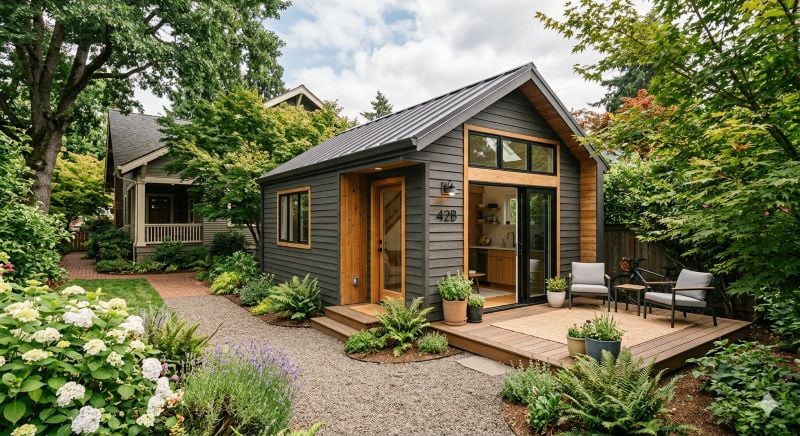
Creating your dream home is an exciting project that can be greatly impacted by the emotional commitment that goes into it. Just as financial planning and logistical organization are important, so is emotional readiness. This article explores how to evaluate and improve your emotional preparedness to guarantee a happy and successful journey toward building your dream home.
Understanding the Emotional Commitment
Embarking on a home-building project is a long-term commitment that requires financial and physical resources and emotional resilience.
• Long-Term Commitment: Home-building projects can span months or even years. The timeline involves numerous phases, from planning and design to construction and finishing. Understanding this long-term nature helps in mentally preparing for the dedication required throughout the journey.
• Stress and Challenges: Building a home is inherently stressful. Challenges such as decision fatigue, financial pressures, and unexpected delays are common. Anticipating these stressors and preparing emotionally can mitigate their impact.
• Importance of Emotional Resilience: Emotional resilience is key to navigating the ups and downs of the building process. Developing the ability to bounce back from setbacks and maintain a positive outlook is essential for a successful project.
Assessing Your Emotional Readiness
Before diving into your dream home project, it's important to assess your emotional readiness.
• Self-Reflection: Take time to reflect on your motivations and expectations. Are you building this home to fulfill a personal dream, for family needs, or as an investment? Understanding your motivations can provide clarity and focus throughout the project.
• Support System: A strong support system is invaluable. Whether it’s family, friends, or professionals, having people to rely on can provide emotional support and practical assistance during challenging times.
• Stress Management: Evaluate your current stress management techniques. Effective stress management strategies, such as mindfulness, exercise, or hobbies, will be essential tools for maintaining emotional balance during the project.
Financial Preparedness and Its Emotional Impact
Financial stability is closely linked to emotional well-being. Ensuring you are financially prepared can significantly reduce stress.
• Financial Stability: Building a home requires substantial financial investment. Assessing your financial stability and ensuring you have sufficient resources can alleviate much of the anxiety associated with unexpected expenses.
• Budgeting and Planning: Detailed budgeting and financial planning are crucial. Having a clear budget and sticking to it can prevent financial strain and the emotional toll it can take. Consider consulting with financial advisors or using budgeting tools to stay on track.
• Contingency Planning: It’s wise to have a financial contingency plan. Allocating a portion of your budget for unforeseen expenses ensures that unexpected costs don’t derail your project or cause significant stress.
Communication and Decision-Making
Effective communication and collaborative decision-making are essential for maintaining harmony and reducing stress during the home-building process.
• Effective Communication: Clear and open communication with partners, family members, and professionals is vital. Misunderstandings and miscommunications can lead to conflicts and delays. Regularly discussing progress, concerns, and expectations helps keep everyone on the same page.
• Decision-Making Process: The decision-making process can be overwhelming. To avoid conflicts and stress, establish a structured approach to making decisions. This might involve setting priorities, researching options thoroughly, and considering the input of all stakeholders.
• Managing Expectations: Setting realistic expectations from the outset is crucial. Understand that not everything will go as planned and be prepared for adjustments and compromises. Flexibility is key to maintaining emotional equilibrium.
You should also check out White Label Homes; they have a highly skilled and knowledgeable team of design and building professionals who have successfully completed many amazing Winnipeg homes, visit their site now.
Coping with Delays and Setbacks
Delays and setbacks are part and parcel of any home-building project. Being prepared for these challenges can help you cope more effectively.
• Anticipating Challenges: Expecting and preparing for potential delays and setbacks can prevent them from becoming overwhelming. Knowing that these issues are common and having a plan in place to address them can reduce their emotional impact.
• Adaptability and Patience: Adaptability and patience are crucial traits for handling unexpected challenges. Accept that delays and changes are part of the process, and maintain a flexible attitude to navigate these disruptions smoothly.
• Stress-Relief Strategies: Employ stress-relief strategies to manage the emotional strain of delays and setbacks. Practices such as mindfulness, exercise, and engaging in hobbies can help you maintain emotional balance and resilience.
Maintaining a Work-Life Balance
Balancing the demands of a home-building project with work and personal life is essential for maintaining overall well-being.
• Time Management: Effective time management is crucial. Allocate specific times for project-related tasks and ensure you also dedicate time to work, family, and self-care. Avoid letting the project consume all your time and energy.
• Delegation and Professional Help: Don’t hesitate to delegate tasks and seek professional help. Hiring professionals for complex aspects of the project can alleviate some of the burden and reduce stress.
• Self-Care: Prioritize self-care practices to sustain your emotional health. Regular exercise, adequate sleep, healthy eating, and leisure activities are essential for maintaining a positive outlook and emotional stability.
Visualizing and Celebrating Progress
Keeping the end goal in sight and celebrating milestones along the way can maintain motivation and positivity.
• Setting Milestones: Set and celebrate small milestones throughout the project. These milestones provide a sense of accomplishment and keep you motivated.
• Visual Tools: Use visual tools such as mood boards and progress photos to stay focused on your vision. Seeing tangible progress can boost morale and keep you inspired.
• Celebrating Achievements: Celebrate achievements and progress, no matter how small. Acknowledging and appreciating the journey helps foster a sense of joy and fulfillment.
Conclusion
Building your dream home is an exciting yet demanding project that requires thorough emotional preparedness. By understanding the emotional commitment, assessing your readiness, ensuring financial stability, maintaining effective communication, coping with challenges, balancing work and personal life, and celebrating progress, you can navigate the home-building process with resilience and positivity. Emotional readiness is as important as financial and logistical planning, and prioritizing it can lead to a more fulfilling and successful home-building experience.
Are you ready to assess your emotional preparedness for building your dream home? Reflect on your motivations, evaluate your support system, and consider your stress management strategies before taking the plunge. If you need professional advice or support in your home-building journey, feel free to contact us. Share your thoughts or experiences in the comments, and subscribe to our blog for more insights and tips on home building and emotional well-being.