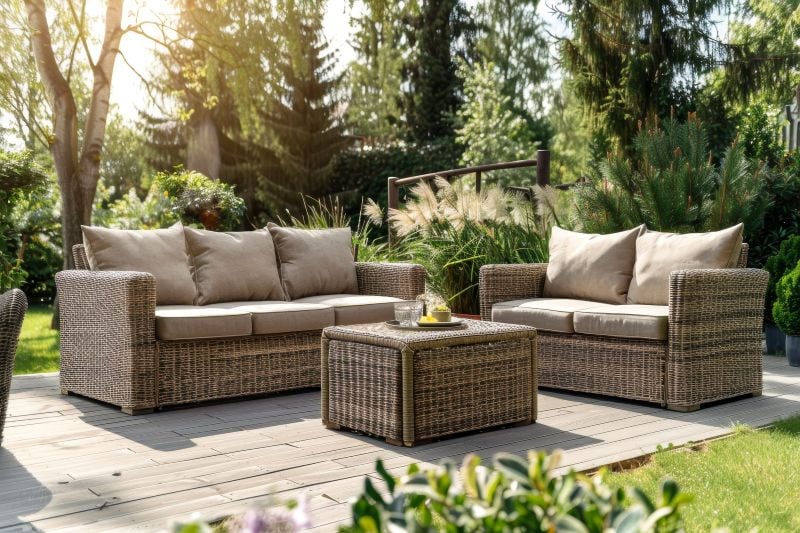
Outdoor furniture earns its keep through heat, ultraviolet exposure, rain, wind, food spills, and daily pressure from sitting, shifting, and moving. A set that lasts is rarely chosen by looks alone. In areas like Oklahoma City, where intense summer heat and strong storms are common, frame alloy, joint strength, fabric chemistry, cushion drainage, and finish thickness all affect service life.
Careful buyers weigh comfort, repair options, warranty terms, and upkeep before deciding what belongs on their patios. Visiting outdoor furniture stores in OKC lets shoppers test these details in person before committing to a set. The sections below cover what to look for at each stage of that decision.
Start With Local Conditions
Seeing furniture in person helps buyers test scale, balance, welds, fabric texture, and cushion recovery. Comparing how dining groups, sectionals, and loungers handle local sun, wind, humidity, and storm debris helps match each piece to actual patios, porches, and pool decks.
Choose Strong Frame Materials
Frame material sets the baseline for longevity. Cast aluminum resists rust and stays manageable to move. Steel offers strength, though chipped coating can expose corrosion points. Teak tolerates moisture and develops a silver tone with age. Poly lumber brings useful weight, stable color, and low cleaning demands. The best option depends on exposure, finish quality, hardware, and expected maintenance.
Check Joinery Closely
A chair should feel steady before cushions hide weak points. Welds on aluminum need smooth, continuous beads without gaps or sharp residue. Bolted joints should use stainless or coated hardware. Rocking on a flat floor signals trouble. Tables deserve pressure checks near corners and edges. Minor movement at purchase often grows after heat cycles, moisture, and repeated use.
Study Finish Quality
Finish quality protects the structure beneath. Powder coating usually outlasts thin sprayed paint on metal frames. The EPA's guide on UV exposure explains how ultraviolet radiation breaks down surfaces over time, a concern that applies to outdoor coatings as well. Coverage should look even around undersides, welds, feet, and corners. Wood surfaces need tight grain, clean sanding, and no open splitting. Poly lumber should feel dense, with neat edges and color carried through each board instead of resting only on the surface.
Pick Better Outdoor Fabrics
Fabric choice affects fading, skin comfort, drying time, and cleanup. Solution-dyed acrylic holds color because pigment runs through the fiber. Printed cloth can fade faster under constant sun. Covers should resist mildew, staining, and moisture absorption. Zippers improve cleaning and replacement. Stitching must be straight and tight. Dark shades hide marks, while pale tones stay cooler in harsh summer light.
Look Inside Cushions
Cushion performance depends on the core, not just the cover. Quick-drain foam lets water pass through instead of sitting inside. Higher-density foam keeps its shape longer than loose fill that collapses. Back pillows should rebound after pressure. Seat pads need support without a hollow feel. Removable covers help with washing, drying, and future replacement.
Match Weight to Exposure
Open patios need furniture with enough mass to stay put during gusts. Lightweight chairs, side tables, and ottomans can shift or tip. Cast aluminum balances rust resistance with practical handling. Poly lumber often performs well in windy spots. Wrought iron brings weight, though finish care matters. Buyers should factor in storm habits, storage space, and who will move each piece.
Measure Before Buying
Good measurements protect both comfort and furniture life. Crowded layouts lead to scraping, dragging, and strained legs. Dining chairs need clearance to slide back freely. Sectionals should leave walking paths open. Fire pit seating requires extra distance for heat and foot traffic. Accurate dimensions prevent forced arrangements that damage frames, cushion seams, corners, and nearby surfaces.
Compare Warranties
Warranty terms reveal how much confidence a maker has in its construction. Frame coverage usually carries the most value because structural repairs cost more. Fabric, finish, and cushion protection can differ sharply. Buyers should read exclusions for standing water, salt exposure, commercial use, and improper cleaners. Clear terms from a reputable manufacturer can justify spending more at purchase.
Plan Simple Maintenance
Even strong furniture needs routine care. Pollen, dust, sunscreen, food residue, and damp leaves can weaken finishes if left in place. Mild soap and water are often safer than abrasive cleaners. Cushions should dry fully before storage. Covers help during storms and quiet months. Some woods need oil or sealer, depending on the species and desired color.
Think in Cost per Year
A low price can become expensive when a set fails early. Better construction may cost more upfront, then serve our homes through many seasons. Cost per year gives a clearer measure than the tag alone. A dining group lasting ten years can beat a bargain replacement cycle. Comfort, repair access, fabric life, and frame strength all belong in that calculation.
Conclusion
Outdoor furniture lasts when material choices, engineering, fit, and care all support one another. Buyers should inspect frames, finishes, fabrics, cushion cores, and hardware before letting style lead the decision. Local weather deserves equal attention, especially where heat, wind, rain, and temperature swings test every exposed surface. With careful selection and steady maintenance, our patios can stay comfortable, attractive, and dependable for many years.