Property damage rarely remains isolated. Water intrusion spreads beyond the visible area, smoke residues penetrate porous materials, and mold can begin developing within days.
Prompt action following an incident that causes property damage (such as a flood, fire, or storm) is essential to prevent minor damage from becoming a long-term structural problem.
Delays often lead to higher repair costs, extended disruptions, and avoidable deterioration. Understanding the importance of timely restoration allows homeowners to protect both their investment and their safety.
Immediate Action After Property Damage Matters
Time plays a critical role in determining the extent of damage. According to guidance from the EPA, mold growth can begin within 24 to 48 hours of water exposure. Even a small leak or minor flooding incident can quickly create conditions suitable for contamination.
Early mitigation also reduces overall disaster losses. Prompt response efforts significantly lower long-term repair costs. Acting quickly helps stabilize affected areas before damage spreads to structural components.
Immediate restoration focuses on containment and prevention. Removing excess moisture, isolating affected materials, and initiating drying processes can prevent secondary damage from developing.
Delays Can Contribute to Structural Deterioration
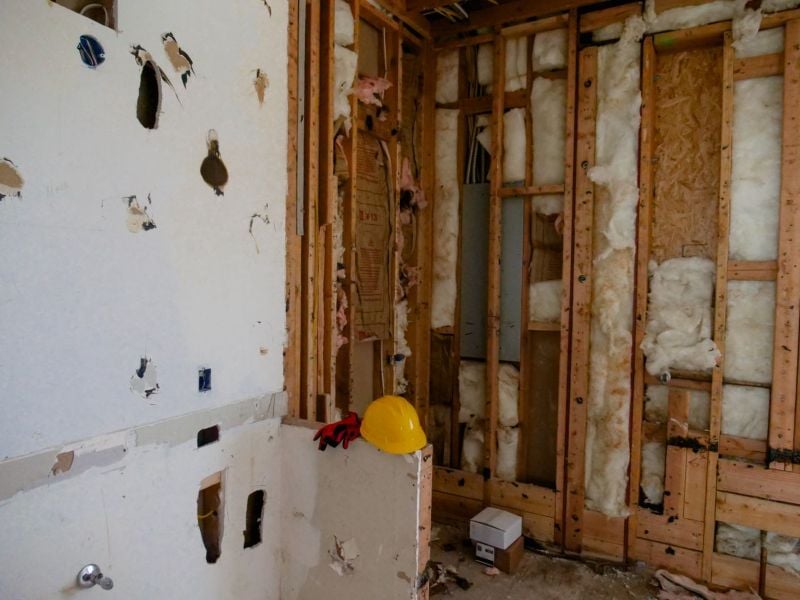
Moisture weakens building materials over time. Wood framing can swell and warp, drywall may soften and crumble, and insulation can lose effectiveness when saturation persists. Structural stability gradually declines when water remains untreated.
Fire damage presents similar risks. Smoke and soot residues are corrosive and continue to degrade surfaces long after flames are extinguished. Odors can also become embedded in HVAC systems, flooring, and wall cavities without professional cleaning.
Rapid response significantly reduces the likelihood of widespread contamination and material failure. Addressing damage immediately limits its ability to expand into unaffected areas of the property.
The Financial Consequences of Waiting
Postponing restoration frequently results in increased repair expenses. What begins as a localized issue may require extensive reconstruction if deterioration continues unchecked.
Insurance claims can also become more complicated when secondary damage develops after the initial event.
Repair costs often escalate due to preventable issues such as:
-
- Mold developing behind walls or under flooring
- Warping of structural framing and subfloors
- Persistent smoke odors requiring full remediation
Each of these outcomes can significantly increase labor and material costs. Prompt intervention reduces the scope of repairs and helps preserve property value.
The Importance of Certified Restoration Professionals
Effective restoration requires more than surface-level cleanup. Certified professionals use specialized equipment to detect hidden moisture and ensure thorough remediation.
Engaging an experienced provider helps ensure that restoration efforts comply with established safety and performance standards.
For instance, 24-7 Restoration provides emergency response services for water, fire, storm, and mold damage, utilizing trained technicians and advanced systems to limit long-term structural impact.
Professional assessment also reduces uncertainty. Comprehensive inspections identify concealed damage that may otherwise compromise the property in the future.
Protecting Property Value Through Timely Restoration
Long-term property damage can affect resale value and buyer confidence. Visible staining, lingering odors, or unresolved structural concerns may raise questions during inspections. Swift restoration helps maintain the integrity and marketability of the home.
Equally important is the reassurance that comes with proper remediation. Knowing that moisture has been fully removed and affected materials properly treated reduces the likelihood of recurring problems.
Take Prompt Action to Minimize Long-Term Property Damage
Timely restoration remains one of the most effective strategies for minimizing long-term property damage. Rapid response limits structural deterioration, reduces repair costs, and protects overall property value.
Homeowners facing water, fire, storm, or mold damage should consider contacting a service like 24-7 Restoration to evaluate their situation and begin appropriate mitigation. And if you found this article to be helpful, then take a moment to explore some of our other useful content.