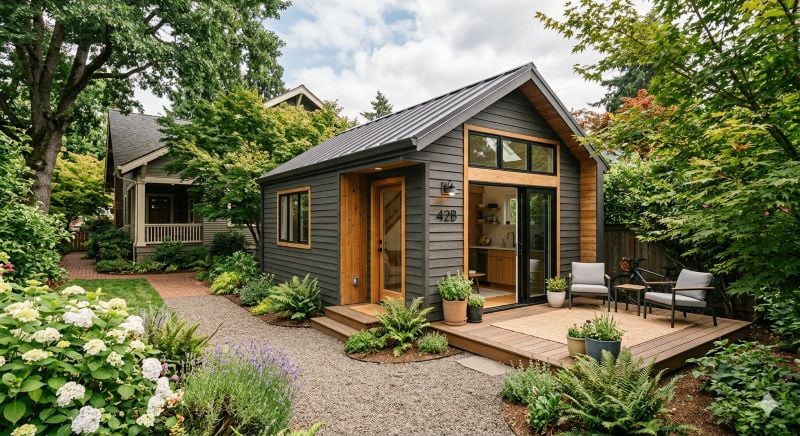
Finding an appropriate living arrangement as a student living in a large metropolis enormously affects academic performance and well-being. Aim for a balance among affordability, comfort, safety, and convenience when selecting your living situation. While the vast array of alternatives available in major metropolitan centers may make finding their ideal place challenging, students can still locate one that will support their studies and enhance the university experience with careful thought and planning. In case you seek writing assistance, learn how to choose high-quality essay editing service!
Proximity to Campus and Transportation
Relocating near their university should be one of the primary considerations. Living closer allows students to participate more readily in campus events and access academic resources while saving time and money on transportation costs. Students should search for accommodations near public transit if living on campus is undesirable or unavailable. This will allow for shorter commute times while providing dependable forms of transport that support their studies or leisure time more effectively.
Balancing Cost and Quality
Finding suitable student housing requires careful budgetary considerations. Students should strive to strike a balance between the quality of housing and affordability when selecting their accommodations, such as rent, utilities, internet access fees, and transportation expenses. A budget that takes these into account should also include rent payments. While it might be tempting to select the least expensive option available on offer - particularly those offering subpar living conditions, higher crime rates, or longer commutes to university - luxurious lodging might cause unnecessary burden and needless worry, so striking a balance between meeting budgetary requirements while maintaining secure and pleasant living arrangements is critical when making housing selection decisions.
Safety and Security
Safety should always be at the top of students' minds when selecting a place to live in a large city. Students should research crime statistics of individual districts and look for lodgings equipped with security features like guarded entrances, CCTV cameras, and well-lit areas. Furthermore, it's also essential to consider how close emergency services are; living in such an environment allows students to focus on schoolwork without fear of losing personal items and valuables.
Roommates and Living Arrangements
Students often live with roommates to split the cost of living expenses and meet new people. Before choosing shared housing arrangements, your lifestyle, study habits, and hygiene must align with those of any potential roommates. Harmonious living conditions may result in avoiding conflicts over expectations and shared obligations through open dialogue among housemates. Studio apartments or single rooms may provide more privacy but typically cost more. Making an educated choice is made simpler when considering both the benefits and drawbacks of various living arrangements.
Amenities and Facilities
Student life can be significantly enhanced by having access to amenities and facilities. Necessities may include air conditioning, heat, dependable internet connections, laundry rooms, study rooms, and fitness centers as extra amenities that enhance living conditions. Laundry rooms, study rooms, fitness centers, and common areas may also contribute to bettering living conditions; also essential are restaurants, grocery shops, parks, and libraries - elements that offer convenience as they save both time and money while making life simpler and more pleasurable.
Lease Terms and Conditions
Before signing any housing contract, it is vitally important that you fully comprehend its terms and conditions. Pupils should carefully examine their lease agreements to take note of their duration, rent amount, due dates, and any additional costs. Understanding rules surrounding deposits, maintenance obligations, and dispute filing is also key - this way, any future legal problems or miscommunication can be avoided by making phrases clear upfront; additionally, it is vital that they fit within academic schedules to avoid paying for lodging that won't be required.
Researching and Viewing Properties
Finding suitable student accommodation requires thorough investigation and multiple property inspections, which may involve listings obtained through local real estate brokers, university housing departments, or online sites. Students can visit potential homes physically to assess the state, area, and accessibility of nearby facilities and speak with property managers or landlords regarding the upkeep issues of each home they consider renting out. Exploring all possibilities will allow for easier decision-making and a more in-depth understanding of what options exist.
Considering Future Plans
When selecting student housing, it's helpful to consider future goals and probable changes. Students undergoing internships, study abroad opportunities, or changes to their academic calendar could benefit from flexible leasing periods; long-term goals like staying put after graduation might also have an influence. Stable and adaptable accommodations allow for future adjustments while minimizing repeated moves.
Conclusion
Students living in large cities must carefully consider various criteria when selecting housing accommodations, such as their university location, cost, safety, living arrangements, facilities, length of the lease agreement, and future plans when choosing where to live. By conducting extensive research on potential homes, they could rent as well as considering all their advantages and disadvantages, they might make wise living decisions that enhance both academic growth and personal well-being - wise living decisions may make all the difference when it comes to university experience and provide the foundation for future success both inside and outside the classroom.