An accessory dwelling unit can be much more than a small backyard structure or a converted space above a garage. When planned carefully, it can feel like a real home: private enough for independent living, comfortable enough for everyday routines, and practical enough to serve different needs over time.
Whether the ADU will be used for aging parents, adult children, guests, rental income, or a flexible work-and-living space, the best results usually come from thoughtful planning before construction begins. Layout, privacy, storage, natural light, access, and long-term maintenance all affect how well the unit works in real life.
Start With the Purpose of the ADU
Before choosing finishes or looking at floor plans, define the main role of the ADU. A unit designed for short-term guests will not need exactly the same layout as one intended for long-term rental or multigenerational living. The clearer the purpose, the easier it becomes to make smart decisions about size, privacy, budget, and comfort.
For example, an ADU for elderly parents may need fewer stairs, wider circulation, better lighting, and easy access to the main house. A rental ADU may require more privacy, a separate entrance, durable finishes, and efficient storage. A guest unit may focus more on comfort and flexibility than on maximum independence.
Common ADU goals include:
-
- Creating private living space for relatives or guests
- Adding long-term rental potential to the property
- Building a flexible home office, studio, or hybrid living area
- Supporting multigenerational living without overcrowding
- Increasing property functionality and future resale value
Once the purpose is clear, every design choice becomes easier. Instead of simply asking, “What looks good?”, homeowners can ask, “Will this make the ADU more useful for the way it will actually be lived in?”
Plan Privacy From the Beginning
Privacy is one of the most important factors in ADU design. Even a beautifully finished unit can feel uncomfortable if windows face directly into the main house, the entrance feels exposed, or outdoor spaces overlap awkwardly. Good privacy planning begins with placement, orientation, and circulation.
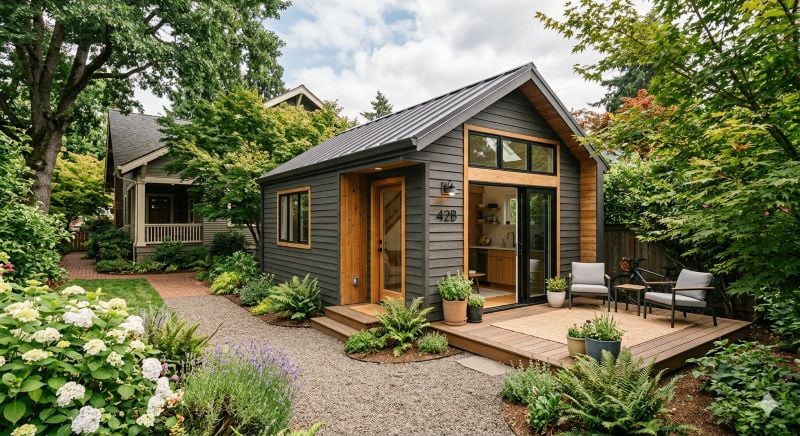
For detached units, the building should ideally feel connected to the property but not dependent on the main home. This is where working with an experienced DADU contractor Seattle homeowners trust can be especially useful, because privacy, setbacks, access, and backyard layout all need to work together rather than being treated as separate design issues.
Create a Separate Entrance That Feels Natural
A private entrance helps the ADU feel independent. It should be easy to reach, well-lit, and visually clear without forcing residents to pass through the main family’s most personal outdoor zones. If the ADU will be rented, the entrance should feel intuitive for visitors, delivery drivers, and guests.
The path to the door also matters. A narrow, poorly lit walkway can make the unit feel like an afterthought, while a simple, direct route with landscaping, lighting, and a small landing can make the space feel intentional and welcoming.
Use Windows Strategically
Windows bring in natural light, but they can also create privacy problems. The goal is not to reduce windows but to place them carefully. High windows, frosted glass, clerestory windows, side-facing openings, and landscaping screens can help bring daylight into the unit without exposing private areas.
Bedrooms and bathrooms need special attention. A comfortable ADU should not require residents to keep blinds closed all day just to feel at ease. When privacy is planned into the structure, the space feels more open and relaxed.
Make the Layout Comfortable, Not Just Compact
Many ADUs are small, but small does not have to mean cramped. A good layout reduces wasted space and creates clear zones for cooking, sleeping, relaxing, storage, and daily routines. The best ADUs often feel larger than they are because every square foot has a purpose.
Open layouts can work well, especially in studio-style ADUs, but some separation is still helpful. Even subtle zoning — such as a partial wall, built-in shelving, a ceiling change, or different flooring transitions — can make the unit feel more organized.
Balance Natural Light With Energy Efficiency
Natural light makes a compact ADU feel more open, but too much direct sun can create overheating, glare, and higher energy costs. The ideal design balances window placement, insulation, ventilation, and shading.
South- and west-facing windows may bring warmth and brightness, but they often need shading solutions. Overhangs, exterior blinds, trees, or pergolas can help control heat while keeping the unit pleasant. In cooler climates, efficient windows and proper insulation are essential for year-round comfort.
Think About Ventilation Early
Good ventilation is especially important in small homes. Cooking smells, humidity, and indoor air quality can become noticeable quickly in a compact unit. Operable windows, bathroom fans, kitchen ventilation, and efficient HVAC planning all contribute to comfort.
For ADUs used as long-term living spaces, heating and cooling should not feel like an afterthought. A small ductless mini-split system, for example, may offer efficient temperature control without taking up much space. The best solution depends on the structure, local climate, and expected use.
Plan Utilities, Noise Control, and Long-Term Flexibility
Behind the visible design, utilities and technical planning are essential. Plumbing, electrical capacity, heating, cooling, internet access, drainage, and waste management all influence how practical the ADU will be. These systems should be discussed early because they affect cost, layout, and construction complexity.
Noise control also deserves attention. Sound can travel between the ADU, the main house, and outdoor areas. Insulated walls, solid doors, thoughtful window placement, and quiet mechanical systems can make a major difference.
A flexible ADU should also be able to adapt over time. Today it may serve as a guest house. Later, it may become a rental unit, a caregiver suite, or a home office. Neutral layouts, durable finishes, accessible design choices, and independent systems can help the unit remain useful for many years.