Renovation decisions made in haste often look dated within a decade. The difference between a home that feels fresh twenty years later and one that feels stuck in a specific era usually comes down to a few consistent principles rather than any single material or finish.
Timeless interior renovation trends tend to share the same underlying qualities: they prioritize function, rely on natural materials, and complement the existing architecture of a space rather than fighting against it. Symmetry, proportional balance, and high-quality furniture all contribute to interiors that age gracefully. These choices are built around how people actually live, rather than chasing a passing moment. That distinction between a lasting renovation and a fleeting aesthetic fad is worth keeping in mind before committing to anything significant.
What Timeless Renovation Choices Share
Enduring renovation decisions tend to have four things in common: function, quality, adaptability, and architectural fit. A choice that scores well on all four is far more likely to hold up over time than one that simply looks appealing right now. Natural materials, symmetry, and high-quality furniture consistently meet that standard, while trend-driven finishes often fall short on adaptability or fit.
It helps to think of timelessness as a decision filter rather than a specific look. A renovation doesn't need to be traditional or minimal to age well. It just needs to work with the space, serve the people using it, and remain flexible enough to absorb style shifts without requiring a full overhaul.
Renovation Features with Lasting Appeal
When evaluating permanent upgrades, it helps to separate the choices that are difficult and expensive to undo from the ones you can easily swap later. The sections below focus on the first category, since those are the decisions that pay off most when you get them right the first time.
If you want to compare materials, layout options, and storage solutions in person, visiting a design-build showroom like Build Design Center can make the process feel a lot more practical and less guesswork-driven.
For homeowners narrowing in on kitchen and bath decisions specifically, specialists like Virginia Kitchen & Bath can be helpful for seeing cabinetry, surfaces, and functional upgrades side by side before you commit.
Architectural Details That Age Well
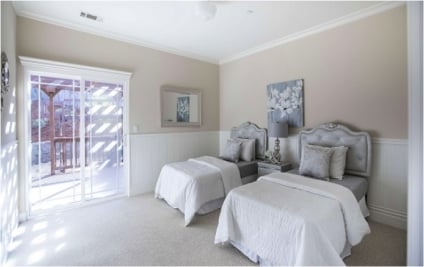
Crown molding, wainscoting, and detailed millwork have appeared in well-regarded interiors across centuries, not because they're fashionable, but because they add visual structure and a sense of craft that most rooms genuinely benefit from. These elements work across traditional, transitional, and contemporary settings without looking out of place.
Built-in shelving follows a similar logic. It reads as part of the architecture rather than furniture placed in a room, and it holds its appeal across a wide range of interior styles.
Materials and Finishes Worth Prioritizing
Hardwood flooring consistently ranks among the renovations that truly pay off over time, and NAR resale data reinforces that position. Laid in a herringbone pattern, it carries enough visual interest to feel intentional without dating itself.
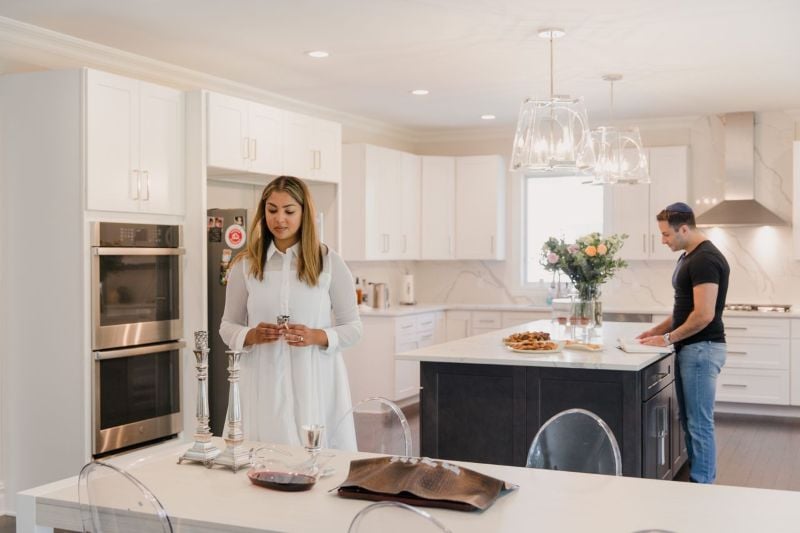
Marble countertops, subway tiles, and other natural materials age well for the same reason: they don't mimic anything. A neutral color palette throughout ties these elements together, keeping the space adaptable as other trends come and go.
Where Timeless Style Still Feels Personal
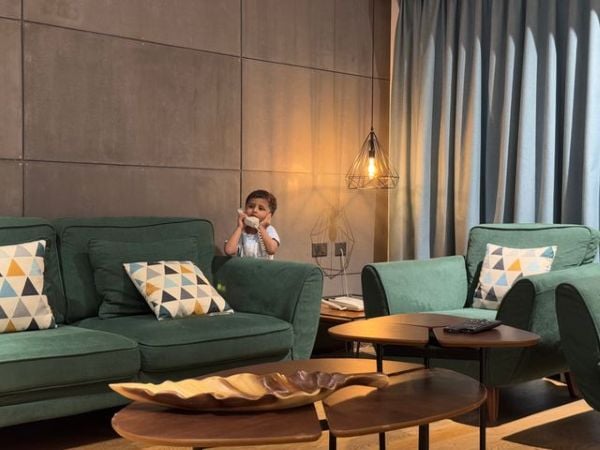
Timeless doesn't have to mean minimal or impersonal. The permanent elements of a renovation, including flooring, millwork, and countertops, provide the structure, but character comes from the layers placed on top of them.
Statement lighting is one of the most effective ways to add personality without long-term commitment. A sculptural pendant or a warm brass finish fixture can shift the entire mood of a kitchen or hallway while sitting comfortably within a classic renovation envelope. Brass finishes in particular have moved in and out of popularity, but when paired with neutral surfaces, they read as considered rather than trendy.
Classic patterns in textiles, vintage furniture, and mid-century modern pieces work the same way. A cane-back chair or white linens on a bed don't fight a well-built interior; they complement it. Anyone looking to build polished spaces without a major overhaul will find that keeping permanent finishes restrained leaves room for style to evolve through swaps that cost far less than a full renovation.
Mistakes That Make Timeless Ideas Dated
One of the most common missteps is pulling inspiration too literally from trend-heavy sources. A design that looks compelling in a magazine often reflects a very specific moment, and replicating it closely tends to age just as quickly.
Material quality matters just as much as material choice. Low-quality imitations of marble, stone, or hardwood rarely hold up visually over time, and they undermine the proportional and structural work that makes a room feel enduring.
Overuse of a single neutral color palette, excessive gray in particular, or decorative excess can produce the opposite of timelessness. Symmetry, appropriate scale, and natural materials remain the most reliable safeguards against a renovation that dates itself before it's finished.
Why Timeless Renovations Often Save Money
Choosing durable, versatile materials does more than improve aesthetics; it reduces how often a space needs to be revisited. Hardwood flooring, for instance, can last decades with basic maintenance, avoiding the replacement cycles that cheaper alternatives tend to invite.
Natural materials and high-quality furniture also tend to resist the kind of style fatigue that drives unnecessary overhauls. Fewer overhauls mean less waste, lower project costs over time, and spaces that owners are more likely to remain satisfied with. When it comes to resale, homes built around enduring finishes typically hold their appeal across shifting market tastes without requiring significant updates.
Choosing Trends You Will Still Like Years Later
Timeless renovation comes down to durability, fit, and flexibility rather than following what looks compelling in a given season. Permanent elements like built-in shelving, crown molding, and a neutral color palette deserve the most careful attention, since they're the hardest to change later. Personality can come through in the layers placed on top of that foundation. Getting the structure right first leaves room for style to evolve without requiring another renovation to fix what the last one got wrong.