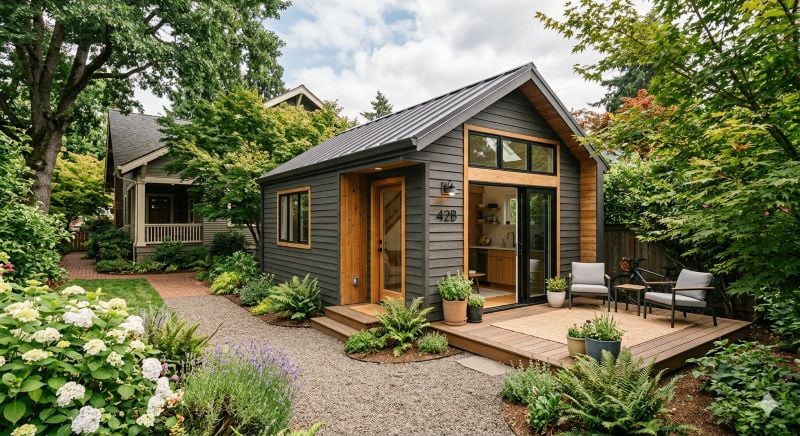
Oregon homeowners take pride in their properties — from the rain-soaked bungalows of Portland to the craftsman homes of Eugene and the growing suburbs of Bend. But hidden behind the drywall of thousands of these homes is a piece of infrastructure that rarely gets attention until something goes wrong: the electrical panel.
Your electrical panel — also called a breaker box or load center — is the nerve center of your home's entire electrical system. It receives power from the utility grid, splits it into individual circuits, and distributes it throughout your home. When it's working properly, you never think about it. When it isn't, the consequences can range from flickering lights and tripped breakers to house fires and electrocution.
The frightening reality? Many Oregon homes, particularly those built before the 1980s, are running on electrical panels that are quietly failing. Here's how to tell if yours is one of them — and what to do about it.
Why Oregon Homes Are Particularly at Risk
Oregon's housing stock is older than the national average. According to the U.S. Census Bureau's American Housing Survey, a significant portion of Pacific Northwest homes were constructed during the post-war building boom of the 1950s through 1970s — an era when the average household used a fraction of the electricity it consumes today.
Back then, a 60- or 100-amp panel was considered perfectly adequate. Today, with electric vehicle chargers, smart home systems, heat pumps, multiple televisions, home offices, and high-efficiency appliances all drawing power simultaneously, that same panel is dangerously undersized. Most modern homes require a minimum of 200 amps — and energy-forward Oregon households transitioning away from gas appliances may need even more.
Add to this the rise in severe weather events — ice storms, windstorms, and flooding — that stress electrical infrastructure, and the case for a panel inspection becomes even more urgent.
6 Warning Signs Your Electrical Panel Needs an Upgrade
1. Your Breakers Trip Frequently
An occasional tripped breaker isn't unusual. But if you find yourself regularly resetting the same breaker — especially when running common appliances like a microwave, hair dryer, or space heater — your panel is telling you something. Frequent tripping means circuits are consistently overloaded, which is both a sign of an undersized panel and a precursor to more serious failures.
2. You Notice Flickering or Dimming Lights
When lights flicker or dim every time a major appliance kicks on, it's a sign that your panel can't handle the simultaneous electrical load. This is especially common in older Oregon homes where the original wiring was designed for far fewer devices. Flickering lights are not a quirky feature — they're a symptom of an overtaxed system.
3. Your Panel Uses Fuses Instead of Breakers
If you open your electrical panel and see rows of screw-in fuses rather than flip switches, your home is almost certainly running on 1960s-era infrastructure. Fuse-based panels are not only outdated — they're harder to reset, easier to misuse (homeowners often install the wrong amperage fuse), and a recognized fire risk. Replacing a fuse box with a modern breaker panel is one of the highest-value electrical upgrades a homeowner can make.
4. The Panel Feels Warm or Smells Like Burning
A properly functioning electrical panel should be cool to the touch and completely odorless. If you notice warmth radiating from the panel door, detect a faint burning smell, or see scorch marks around breakers or wiring connections, treat it as an emergency. These are indicators of arcing or overheating — conditions that can ignite a house fire. Call a licensed electrician immediately and do not delay.
5. You're Expanding Your Home or Adding Major Appliances
Planning a kitchen remodel? Adding an EV charger in your garage? Installing a hot tub or a ductless mini-split heat pump? Each of these additions places new, sustained demand on your electrical system. Oregon's push toward electrification — replacing gas furnaces, gas ranges, and gas water heaters with electric alternatives — is accelerating this demand even further. Before any significant addition, have an electrician assess whether your current panel can handle the increased load.
6. Your Home Has a Known Problem Panel Brand
Certain electrical panels manufactured and widely installed between the 1950s and 1990s have been flagged for serious safety deficiencies. The most notorious include Federal Pacific Electric (FPE) panels with Stab-Lok breakers, Zinsco (also sold as GTE-Sylvania) panels, and some older Pushmatic models. These brands have been associated with breakers that fail to trip during overloads — eliminating the very safety function a breaker is designed to provide. If your home has one of these panels, replacement is not optional; it's urgent.
What Oregon Electrical Code Requires
Oregon operates under the Oregon Electrical Specialty Code (OESC), which adopts and amends the National Electrical Code (NEC) on a regular update cycle. The Oregon Building Codes Division oversees electrical licensing and permitting requirements statewide.
Any electrical panel replacement or upgrade in Oregon requires a permit, and the work must be performed by — or directly supervised by — a licensed Oregon electrical contractor. This isn't just bureaucratic red tape. Permitted work is inspected by a local authority having jurisdiction (AHJ), which means an independent set of eyes verifies the job was done safely and to code. Unpermitted electrical work can void your homeowner's insurance, complicate a future home sale, and leave you with no legal recourse if something goes wrong.
When vetting electricians, always confirm they hold a valid Oregon Electrical Contractor license. You can verify licenses through the Oregon Construction Contractors Board.
The Real Cost of Doing Nothing
Homeowners often delay panel upgrades because of cost — a full 200-amp panel replacement in Oregon typically runs between $1,500 and $4,000 depending on the scope of work, local permitting fees, and whether the utility needs to upgrade the service entrance. That's a real expense, and it's understandable to want to put it off.
But consider the alternative. The National Fire Protection Association (NFPA) reports that electrical failures and malfunctions are a leading cause of residential house fires in the United States, causing billions of dollars in property damage each year. Homeowner's insurance policies frequently exclude or limit coverage for fires caused by known electrical deficiencies — meaning a deferred panel upgrade could cost you not just thousands, but everything.
This is exactly the kind of evaluation that experienced local contractors handle every day. Safety Home Services is an Oregon-based electrical service provider that helps homeowners identify panel deficiencies, navigate permitting requirements, and complete upgrades that bring homes up to current safety standards — with no guesswork and no surprises on the final invoice.
What to Expect During a Panel Upgrade
If your electrician recommends a panel replacement, here's a general picture of what the process involves:
The electrician will coordinate with your utility company to temporarily disconnect power to your home. The old panel is removed and replaced with a new main breaker panel — typically a 200-amp unit with sufficient breaker slots for your current and anticipated future circuits. All wiring connections are inspected and, where needed, updated. A permit is pulled, and a city or county inspector signs off on the completed work before power is restored.
The process usually takes one full day for a straightforward swap. More complex upgrades — involving service entrance replacement, subpanel additions, or whole-home rewiring — may take longer. A reputable contractor will walk you through the scope clearly before work begins.
Don't Wait for a Crisis to Act
The electrical panel isn't a glamorous home improvement topic. It doesn't come up at dinner parties the way a kitchen remodel might. But few upgrades deliver more peace of mind — or more directly protect your family's safety — than ensuring your home's electrical infrastructure is modern, code-compliant, and properly sized for the way you actually live.
If your Oregon home is more than 30 years old, if you've never had your panel professionally inspected, or if you're recognizing any of the warning signs described above, the time to act is now — before a tripped breaker, a flickering light, or something far worse forces the issue.