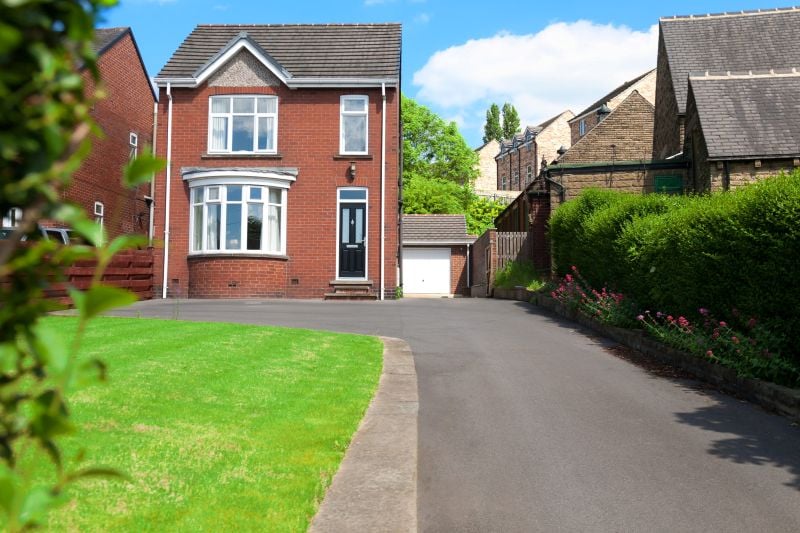
Ever felt the need to squeeze one more car into your driveway, only to realize there's just not enough space? Fear not, fellow homeowner! This comprehensive guide will provide you with the best practices for extending your driveway, ensuring you have the extra space you need while preserving your home's curb appeal.
Planning Your Driveway Extension
Before you roll up your sleeves and get down to business, there's some essential groundwork to cover. By carefully considering the following factors, you'll be well-equipped to create an extension that suits your needs and blends seamlessly with your existing driveway.
Understanding the Local Zoning Regulations and Permits
Not all driveways are created equal. The rules and regulations surrounding driveway extensions vary from one location to another. Before you get started, research your local zoning ordinances and find out if you need a permit for the project. This will save you time, money, and potential lawsuits.
Factors to Consider When Planning a Driveway Extension
While you're in the planning stage, consider these key factors:
- Purpose of the extension: Start by envisioning your dream driveway extension. Do you want to accommodate a boat, an RV, or perhaps an extra car? Are you striving for a visually striking addition to your property? Being clear about your goals will help guide your decisions throughout the planning process.
- Size of the extension: Whip out your trusty measuring tape and determine the dimensions of your desired extension. Think about the width, length, and depth needed to accommodate your vehicles or create the aesthetic you're after. Keep in mind, though, that a larger extension may require a more substantial budget and more permits.
- The slope of the extension: Nobody wants a driveway that turns into a Slip 'N Slide when it rains. Using a percent grade calculator can help you assess the slope of your extension, ensuring proper water drainage and avoiding potential hazards. You may also want to consult with an engineer or landscape architect if the slope is steep or complex.
- Material to be used for the extension: With a myriad of driveway materials available, the choice can be overwhelming. Consider factors such as durability, maintenance requirements, and cost when selecting the right material. Don't forget to make sure it complements your existing driveway, creating a harmonious look.
Preparing for the Driveway Extension
A well-prepared site sets the stage for a successful driveway extension. Before the first shovel hits the ground, take care of these essential steps:
- 1. Clearing the area of grass and debris: Begin by marking the boundaries of your extension and clearing the area of grass, weeds, rocks, and other debris. This step is crucial to provide a clean, level surface for your extension. You might want to use a sod cutter or a shovel to remove any unwanted greenery.
- 2. Excavation of the site: Depending on your chosen material, you may need to excavate several inches of soil. Grab your shovels (or rent an excavator, if you prefer) and dig out the area to the appropriate depth. Keep in mind that you may need to dispose of the excavated soil, so plan accordingly.
- 3. Grading the site for proper drainage: Water is the nemesis of driveways, so it's essential to ensure proper drainage. Grade the site so that water flows away from your home and driveway, preventing pooling and potential damage. If you're unsure about the grading process, consult a professional to avoid costly mistakes.
- 4. Checking soil stability: A long-lasting driveway extension requires stable soil. If the soil beneath your extension is sandy or loose, you may need to add a geotextile layer to provide additional support. If you're unsure about your soil's stability, a soil engineer can provide guidance and recommendations.
- 5. Adding gravel or stone base if needed: A sturdy base layer of compacted gravel or crushed stone will support the weight of your driveway extension and promote proper drainage. The depth and type of base layer will depend on your chosen material and local conditions, so consult with a professional if you're unsure.
Hiring a Contractor
Let's face it, not everyone is cut out for the back-breaking labor and precision involved in constructing a driveway extension. If you'd rather sip lemonade and watch the pros work their magic, here's how to find the perfect contractor for your project:
- 1. Dig up the dirt: Research potential contractors like a private investigator on a mission. Check their licenses and insurance coverage to ensure they're legit and can protect you from potential liabilities. Your local building department can help you verify this information.
- 2. Play detective: Don't just take the contractor's word for it; look for references and online reviews to get the real scoop. Talk to past clients about their experiences, and search the web for any red flags. You want a contractor with a stellar reputation and a trail of happy customers.
- 3. Get cozy with quotes: Reach out to multiple contractors for estimates, and compare their quotes like you're shopping for the best pair of shoes. Look for a balance between price, quality, and services offered. Remember, the cheapest option isn't always the best!
- 4. Trust your gut: Lastly, trust your instincts. If a contractor seems too good to be true or gives you an uneasy feeling, it's better to walk away and find someone you feel comfortable with.
Materials for Driveway Extension
Each driveway material has its own set of advantages and drawbacks. Consider the following options when choosing the best one for your extension:
- Concrete: Durable, low-maintenance, and versatile, concrete is a popular choice. However, it can be prone to cracking and can be costly.
- Asphalt: Asphalt offers a smooth surface and is relatively affordable. It may require more maintenance than concrete, such as sealing and resurfacing.
- Pavers: These versatile and attractive stones come in various shapes and colors, allowing for unique patterns. Pavers can be more expensive and labor-intensive to install but offer excellent durability and easy repair.
- Gravel: A budget-friendly option, gravel provides a rustic appearance and good drainage. However, it may require more frequent maintenance, such as replenishing and regrading.
- Stone: Natural stones like flagstone or cobblestone create a visually stunning driveway extension but can be expensive and may require professional installation.
- Interlocking blocks: These blocks provide a durable, low-maintenance option that can easily be replaced if damaged. They come in various shapes, colors, and textures, allowing for a customized look.
Construction of Driveway Extension
Now that you've got your contractor and materials lined up, it's time to watch your driveway extension come to life. Here's a sneak peek at what goes on during the construction process:
- 1. Pouring or placing the materials: Depending on your chosen material, your contractor will pour concrete, spread asphalt, lay pavers, stones, or gravel, or assemble interlocking blocks. They'll use their expert skills to ensure a smooth, even surface that's ready for action.
- 2. Control joints for concrete: If you've opted for a concrete driveway extension, your contractor will add control joints to help prevent cracking. These grooves in the surface allow for expansion and contraction, keeping your driveway looking and functioning at its best.
- 3. Sealing the deal: Some materials, like asphalt or pavers, require sealing to protect against the elements and prolong their lifespan. Your contractor will apply a high-quality sealer to the surface, locking in its beauty and durability.
- 4. Patience is a virtue: Concrete driveways need time to cure, and rushing the process can spell disaster. Your contractor will monitor the curing process and let you know when it's safe to use your new extension. Hang in there, and resist the urge to park your car on your fresh concrete!
- 5. Finishing touches: Depending on your chosen material, your contractor may add texture, patterns, or other finishing touches to the surface. These details can enhance the appearance of your driveway extension and create a cohesive look with your existing driveway.
- 6. The grand reveal: Once the construction is complete and the materials have cured, it's time to start using your brand-new driveway extension. Fire up the grill, invite your friends over, and show off your new parking masterpiece!
Key Takeaways
As you embark on this voyage of driveway extension discovery, remember that careful planning, a keen eye for detail, and the right team can make all the difference. Embrace the challenges, and revel in the triumphs as your vision transforms into reality. With your new, spacious driveway, you'll not only have the extra room you need but also a sense of accomplishment for a job well done.
Celebrate the fusion of form and function as you admire your driveway extension, basking in the glow of a project that's a testament to your determination and creativity. The next time you arrive at your home, pause for a moment to savor the rewards of your hard work and the path you took to achieve your desired outcome.
Remember, the road to driveway extension success is paved with perseverance, passion, and a touch of ingenuity. Enjoy the ride, and may your extended driveway bring you years of convenience, pride, and satisfaction. Cheers to the open road, and happy extending!