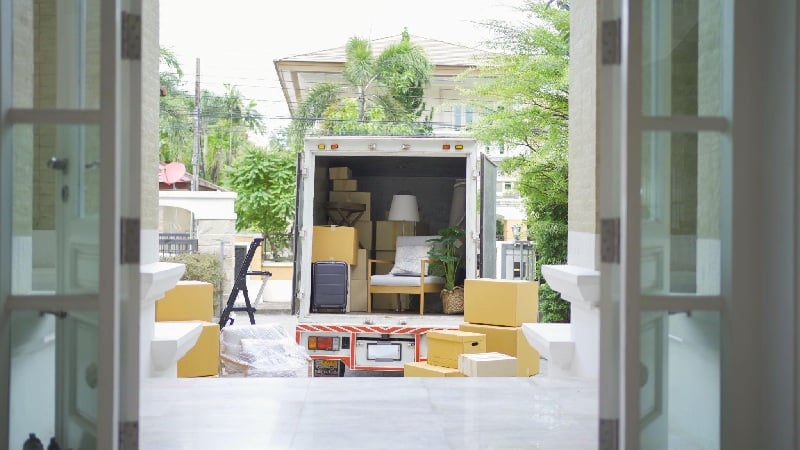
Moving across town is one thing. Moving across state lines is another entirely. A long-distance relocation involves more planning, more logistics, more cost, and more opportunities for things to go wrong. Whether you're leaving Chicago for a new job, chasing a change of scenery, or relocating closer to family, a successful out-of-state move comes down to preparation. With the right approach, even a cross-country move can be organized and manageable rather than chaotic and overwhelming.
This guide breaks the process into clear steps, from the earliest planning stages to settling into your new home.
Start early and make a plan
The single most important factor in a smooth long-distance move is time. Cross-state relocations require far more lead time than local moves, and the earlier you start, the more options and leverage you'll have. Ideally, begin planning a couple of months ahead, building a timeline that works backward from your move date and assigns tasks to each week.
A solid plan addresses the big questions first: your budget, your moving method, and your timeline. It helps to understand the full sequence of what a long-distance move involves before you dive in. Resources that lay out exactly how do I move out of state can give you a framework to organize around, so nothing important slips through the cracks. Breaking the move into a series of manageable steps, each with its own deadline, transforms an intimidating project into a series of achievable tasks.
Set a realistic budget
Long-distance moves cost more than local ones, often significantly more, and underestimating the budget is a common and painful mistake. Costs typically depend on the weight or volume of your belongings and the distance traveled, plus any additional services like packing, storage, or specialty item handling. Beyond the movers themselves, factor in travel expenses, potential temporary lodging, and the cost of setting up your new home.
Getting multiple estimates is essential for both budgeting and choosing a mover. Be wary of quotes that come in dramatically lower than the rest, as they sometimes signal hidden fees or, in the worst cases, unreliable operators. A detailed written estimate that explains how the price is calculated gives you a realistic picture and a basis for comparison. Building a small cushion into your budget for the unexpected is always wise.
Declutter before you pack
There's no better time to lighten your load than before a long-distance move, because in most cases you're paying to transport every pound. The more you move, the more it costs, which makes decluttering one of the easiest ways to save money. Go room by room and honestly assess what's worth taking. Sell, donate, or discard what you don't need, and you'll reduce both your moving costs and the work of unpacking.
This is especially worthwhile for heavy or bulky items you're ambivalent about. Sometimes the cost of moving a large piece of furniture across the country exceeds what it would cost to replace it at your destination. Thinking through these tradeoffs before you pack can lead to meaningful savings and a lighter, simpler move.
Handle specialty and valuable items carefully
Long-distance moves put extra stress on belongings, which spend more time in transit and endure more handling and road vibration. Fragile and valuable items need special attention, and some require professional expertise. A pool table is a perfect example; it's heavy, requires careful disassembly and precise reassembly, and can be permanently damaged if handled improperly. The slate playing surface alone demands specialized knowledge to move safely.
For items like these, specialized handling isn't a luxury; it's protection for something valuable. Companies that offer dedicated pool table movers Chicago residents trust bring the right tools and techniques to disassemble, transport, and reassemble these items correctly. Identifying your specialty items early and arranging proper handling for them prevents costly damage during a long journey.
Choose the right mover for the distance
Not every moving company is equipped for long-distance work, and interstate moves come with their own regulations and requirements. Verify that any mover you consider is properly licensed and registered for interstate moves, and look for a track record of successful long-distance relocations specifically. The skills and logistics of a cross-state move differ from those of a local one.
Local roots can still be an asset, since a company that knows your origin point understands the practical realities of getting your belongings packed and loaded efficiently. If you're moving from one of Chicago's suburbs, a mover experienced with communities like those served by Barrington movers will understand the local logistics of your departure even as they handle the long haul ahead. The right mover combines long-distance capability with familiarity with your starting point.
Prepare for moving day and beyond
As the moving day approaches, the details matter. Confirm all arrangements with your mover, including dates, addresses, and contact information. Pack an essentials box with everything you'll need for the first day or two in your new home documents, medications, toiletries, chargers, and a change of clothes and keep it with you rather than on the truck. Label every box clearly by room and contents to make unpacking far easier.
Don't forget the administrative side of a long-distance move: transferring utilities, updating your address, arranging new services, and handling any registrations required in your new state. These tasks are easy to overlook amid the physical move, but addressing them in advance prevents headaches after you arrive. A little attention to these details makes settling in much smoother.
Don't overlook the emotional side of a long move
A long-distance move isn't only a logistical challenge; it's an emotional one. Leaving a familiar community, saying goodbye to friends and neighbors, and adjusting to an entirely new place can be surprisingly draining, even when the move is for happy reasons. Acknowledging this side of the process helps you pace yourself and avoid burnout during what can be a weeks-long undertaking.
Practical steps can ease the transition. Give yourself time to say proper goodbyes, research your new community before you arrive, and try to set up at least a few comfortable, familiar spaces quickly once you're there. For families with children or pets, extra attention to their adjustment goes a long way. A long-distance move is a significant life change, and treating it as one rather than just a transportation problem leads to a smoother emotional landing in your new home.
The bottom line
A long-distance move is a major undertaking, but it doesn't have to be overwhelming. The keys are starting early, setting a realistic budget, decluttering to reduce both cost and effort, handling specialty items with proper care, and choosing a mover equipped for interstate work. Add careful preparation for moving day and the administrative tasks that come with relocating to a new state, and you'll be positioned for a smooth transition. With a clear plan and the right help, even a cross-country move can be a fresh start rather than a source of dread. The distance may be daunting, but broken into steps and approached with preparation, a long-distance relocation becomes entirely achievable and the new chapter waiting on the other side makes the effort well worth it.