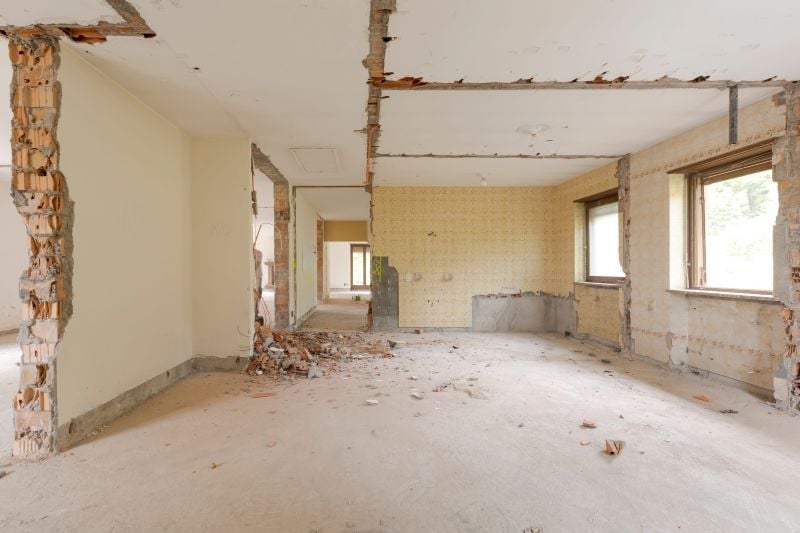
Selling a property is often presented as a simple sequence: clean, photograph, list, and wait for offers. In reality, many properties need meaningful preparation before they are ready to show their best side. A dated kitchen, damaged outbuilding, unfinished renovation, worn flooring, or debris-filled yard can make buyers focus on cost and uncertainty rather than possibility. Strategic demolition preparation can help owners, investors, and real estate professionals remove those obstacles and present a clearer opportunity.
Demolition prep is not about tearing everything down without a plan. It is a deliberate process of identifying what should stay, what should be removed, and what work will create the strongest impression for the intended buyer. Whether the goal is a quick sale, an estate cleanout, a renovation-ready listing, or a safer vacant property, the right preparation can make the next step easier.
Start With the Buyer’s Perspective
Buyers notice unfinished work immediately. A partially demolished bathroom, rotted deck, collapsing shed, or pile of broken materials can signal that a property may have deeper problems. Even when the issue is limited, buyers may assume the worst, lower their offer, or decide not to schedule a viewing.
Before listing, walk through the property as if you were seeing it for the first time. Look beyond ordinary cleaning and ask practical questions. Does an outdated structure block useful outdoor space? Is a damaged feature unsafe? Are old cabinets, carpeting, fixtures, or nonstructural walls preventing buyers from seeing the home’s potential? Is construction debris making a room or yard feel neglected?
Create a Clear Scope Before Work Begins
A successful demolition-prep project begins with a defined scope. Owners should separate cosmetic wishes from necessary removals and decide what the property needs before it goes on the market. A real estate agent, contractor, or experienced demolition provider can help evaluate which improvements are likely to support the sales strategy.
A professional team can bring order to this planning stage. Demolition Magicians can help property owners approach removal work with a practical focus, so the project supports the sale rather than creating new complications. Clear communication about the timeline, access, materials, and final condition expected helps keep the work aligned with the listing plan.
Remove What Creates Doubt
In many sales, the most valuable demolition work is selective. Removing a deteriorated shed can make a backyard look larger and more usable. Clearing a failed patio cover may improve safety and curb appeal. Taking out water-damaged cabinetry or worn finishes can prevent buyers from being distracted by an unfinished-looking space.
Interior selective demolition can also be useful when a seller wants to market a home as renovation-ready. For example, removing old carpet, broken fixtures, or nonstructural elements may reveal a cleaner shell for buyers who intend to customize the property. This approach should be handled thoughtfully. A home that is too stripped down can feel like a construction project, while a property with targeted removals can look like an open canvas.
Prioritize Safety and Responsible Handling
Demolition work can involve more than visible debris. Older building materials, heavy items, sharp surfaces, electrical components, and hidden damage require careful handling. Before removal begins, owners should consider whether hazardous or regulated materials may be present and ensure they are addressed through appropriate processes.
Responsible preparation also includes sorting materials whenever feasible. Items that can be reused, donated, recycled, or disposed of through the correct channels should be handled accordingly.
For sellers, safety is especially important because an accident or unsecured hazard can affect the showing process. Removing unstable structures, loose debris, and obstructed pathways helps create a property that is easier for agents, inspectors, contractors, and prospective buyers to navigate.
Plan Around the Listing Timeline
Timing matters. Demolition prep should be scheduled early enough to allow for cleanup, repairs, painting, landscaping, and professional photography. Leaving removal work until the last minute can lead to rushed decisions or missed listing opportunities.
After demolition is complete, the property should be left clean and ready for the next trade or stage of preparation. Confirm who will handle hauling, final sweep-up, and any repair work that follows. A smooth handoff prevents the common problem of a property being technically cleared but still not ready to show.
A Stronger First Impression
The goal of real estate preparation is to help buyers see value quickly. Demolition prep can remove the elements that make a property appear smaller, less safe, or more difficult than it truly is. By defining a careful scope, addressing concerns responsibly, and coordinating work with the listing schedule, sellers can create a more straightforward path from property cleanup to market-ready presentation.
When a home or property needs more than surface-level tidying, thoughtful demolition preparation can turn uncertainty into opportunity for interested potential buyers.