Buying a home at the top of your budget can feel exciting and nerve-racking at the same time. Many buyers are facing higher home prices, changing interest rates, rising insurance costs, and competitive markets that make it tempting to stretch further than planned.
Real estate agents see this situation often. While they want clients to find the right home, experienced agents also know that getting the keys is only the beginning. The goal is not just to buy a home, but to afford to live in it comfortably after closing.
Get honest about the monthly payment, not just the purchase price
One of the first things agents often remind buyers is that the purchase price is not the full story. A home may fit within a lender’s approval amount, but that does not automatically mean the monthly payment will feel comfortable.
Buyers need to look at the complete monthly cost. That includes mortgage principal and interest, property taxes, homeowners' insurance, HOA dues, utilities, and routine maintenance. A slightly higher price, higher insurance premium or larger tax bill can change the budget quickly.
Before making an offer, buyers should ask themselves whether the payment still works if other expenses rise. If the answer is no, the home may be more stressful than it looks on paper.
Leave room for closing costs and final cash needs
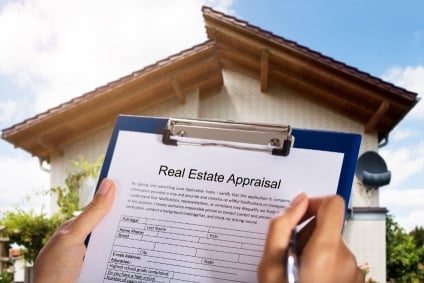
A down payment is usually the highest upfront cost, but it is not the only one. Buyers also need to prepare for lender fees, title costs, escrow deposits, prepaid taxes, homeowners' insurance, inspections, appraisal fees, and moving expenses.
Final numbers can shift before closing. An escrow adjustment, insurance change or repair negotiation may affect how much cash is needed. Agents often encourage buyers to keep extra money available instead of spending every dollar just to get under contract.
Having a cushion can make the final days before closing feel much less stressful.
Do not skip the inspection to make the offer stronger
When buyers are competing for a home, they may feel pressure to waive inspections or overlook problems. Agents often caution against this. A home inspection is one of the best tools buyers have for understanding what they are really purchasing.
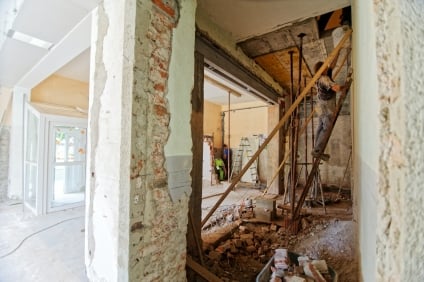
An inspection may reveal roof issues, plumbing concerns, electrical problems, foundation cracks, HVAC age, or signs of water damage. These problems can cost far more than the inspection itself.
Inspection results can help buyers negotiate repairs, request credits, plan future maintenance, or decide whether the home is too risky. A stronger offer should not come at the cost of financial blind spots.
Budget for the first 90 days after move-in
Many buyers focus so heavily on getting to closing that they forget about the first few months of ownership. Those early days can bring a surprising number of expenses.
New homeowners may need to change locks, set up utilities, buy window coverings, repair appliances, purchase furniture, replace filters, handle lawn care or stock up on cleaning supplies and tools. Even small fixes can add up quickly.
Agents often advise buyers to keep money available for the first 90 days. A house rarely waits politely for the budget to recover before something needs attention.
Be realistic about repairs and upgrades
Once buyers move in, it can be tempting to start changing everything right away. New paint, updated flooring, modern lighting and kitchen upgrades may all sound appealing. But agents often suggest separating urgent repairs from cosmetic wants.
A dated bathroom may be annoying but livable. A leaking roof, unsafe wiring, failing water heater, or broken HVAC system may need immediate attention. Safety, function and long-term value should come before style.
Buyers stretching their budget should create a priority list. Handle what protects the home first, then tackle cosmetic projects as money allows.
Understand how taxes, insurance and rates can change
Affordability is not always fixed after closing. Property taxes may adjust after a sale, especially if the home was previously assessed at a lower value. Homeowners insurance premiums can rise, particularly in areas affected by storms, fires or other risks.
Buyers should also understand the details of their mortgage. If the loan includes an adjustable rate or temporary buydown, the payment may change later.
Agents and lenders can help buyers ask better questions before closing. What happens if taxes increase? Is the insurance estimate realistic? Will the payment change in a year or two? These questions matter when the budget is already tight.
Know your backup options before an urgent cost appears
Even careful buyers can face urgent expenses. A major appliance may fail after move-in, a plumbing issue may appear or a required repair may need attention sooner than expected.
Agents often encourage buyers to know their backup options before stress hits. Those options may include savings, payment plans, contractor financing, family help, credit options or same day funding. The key is to compare terms before making a rushed decision.
Buyers should look carefully at fees, interest rates, repayment timelines, and how any monthly payment would affect the household budget. A quick solution should not create a bigger financial problem later.
Keep emotions from driving the final decision
Competitive markets can make buyers feel rushed. After losing a few homes, it is easy to start thinking that any accepted offer is a win. But agents often remind clients that the wrong home at the wrong price can become a long-term burden.
Before raising an offer or removing protections, buyers should step back and compare the home to their original priorities. Does it meet the must-haves? Is the payment manageable? Are the repairs realistic? Is the location still right?
Excitement is part of buying a home, but it should not replace clear thinking.
Work with professionals who will tell you the truth
Buyers stretching their budget need honest guidance. A good real estate agent should help clients understand tradeoffs, not simply encourage the highest possible offer. Lenders, inspectors, and insurance professionals also play an important role.
The right team will explain risks clearly, answer questions, and help buyers see the full picture. Sometimes that means moving forward. Other times, it means walking away.
Good advice can protect buyers from decisions that look manageable in the moment but become stressful later.
Stretching should not mean overextending
Buying a home often requires compromise, especially in a challenging market. Some buyers may need to adjust location, size, finishes or timing to find the right fit. But stretching should not mean ignoring financial reality.
With realistic numbers, inspections, cash reserves and trusted professional guidance, buyers can make confident decisions. The best home is not just the one they can purchase. It is the one they can enjoy without turning homeownership into constant financial stress.