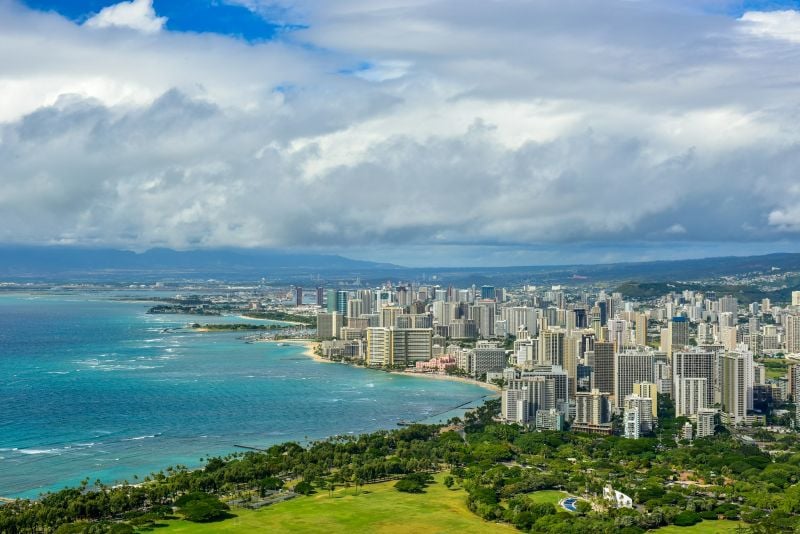
Few places capture the imagination like Hawai'i. Warm water, green mountains, and a pace of life the mainland rarely matches. But anyone thinking about island living eventually asks the same practical question: what does it actually cost to live here? The honest answer is that Hawai'i is one of the most expensive places in the United States, though the full picture is more interesting than a single intimidating number.
Why Hawai'i Is One of the Most Expensive States
Almost everything comes down to geography. Hawai'i sits roughly 2,500 miles from the U.S. mainland, so a large share of the food, fuel, building materials, and everyday goods residents rely on has to be shipped or flown across the Pacific. Those transport costs get baked into nearly every price tag. According to the University of Hawai'i Economic Research Organization, the state ranks as the third most expensive in the nation, behind only California and New Jersey, and the cost of living in Honolulu runs about 20 percent above the national average.
What It Really Costs to Live Here
So how much does it cost to live in Hawai'i month to month? It depends heavily on the island and your lifestyle, but a few categories do most of the work on a budget.
Housing
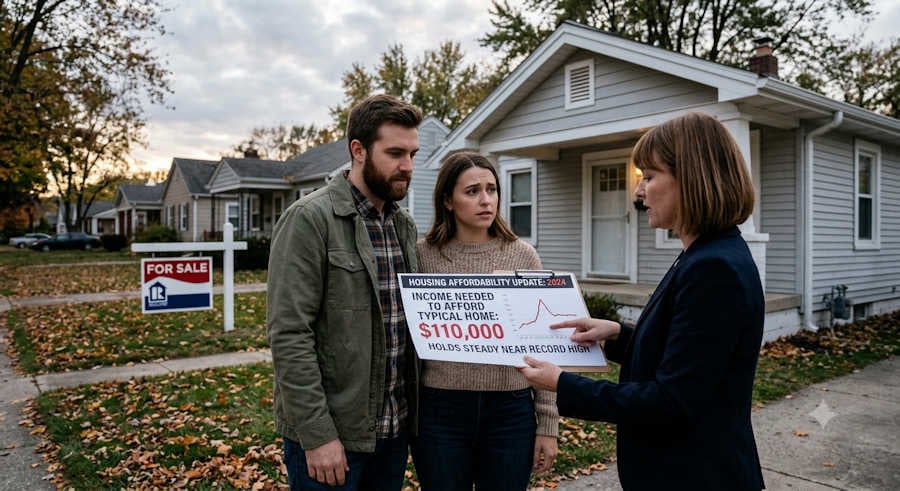
Housing is by far the biggest expense. A median single-family home in Hawai'i sells for well over $800,000, and on O'ahu the figure climbs higher still. Renting softens the blow but not by much, with average rent in Hawai'i among the steepest in the country, especially in and around Honolulu. For many households, housing alone takes up a larger share of income than financial advisors would ever recommend.
Groceries and daily essentials
Because so much food is imported, a routine grocery run costs noticeably more than it would in most mainland cities. A gallon of milk, a loaf of bread, and a bag of fresh produce all carry that shipping premium. Dining out and everyday household items follow the same pattern, which is why longtime residents learn to shop local markets and buy in bulk.
Utilities and getting around
Hawai'i has the highest residential electricity rates in the country, so cooling a home and running appliances adds up quickly on a monthly bill. Fuel is expensive too, with Hawai'i gas prices consistently ranking among the highest of any state. On most islands, a car is still a necessity, which keeps transportation a steady line in the budget.
Where You Can Live for Less
The islands are not equally priced. O'ahu, home to Honolulu, tends to be the most expensive, while parts of the Big Island are often named the cheapest place to live in Hawai'i. Neighbor islands can offer lower housing costs, though they sometimes trade that savings for fewer job options and longer trips for major shopping. Choosing where to settle is one of the biggest levers you have over your overall cost of living.
Budgeting for the Move Itself
One cost newcomers almost always overlook is getting their belongings to the islands in the first place. Unlike a mainland move, a Hawai'i relocation means shipping your household goods across the ocean, usually by container, with transit times that often run two to four weeks. Shipping a car, arranging air freight for smaller loads, and covering short-term storage while everything is in transit all add to the upfront total, which can range from a few thousand dollars for a small apartment to considerably more for a full home.
Planning that first expense carefully makes settling in far less stressful. Working with experienced Honolulu movers who handle interstate and inter-island relocations, such as Bill's Moving & Shipping, helps you get an accurate quote early and coordinate the container, vehicle, and storage timelines so nothing catches you off guard on arrival. Building this one-time cost into your plans from the start gives you a realistic view of what island life will actually require.
Is It Worth It?
Here is the part a spreadsheet misses. Residents consistently point to the things that never show up on a bill: the climate, the ocean, the strong sense of community, and a culture built around aloha. Incomes in Hawai'i have not always kept pace with costs, and that gap is real, yet many people who live here will tell you the lifestyle earns back every extra dollar.
The smart approach is simply to go in with clear eyes. Understand the cost of living in Hawai'i before you arrive, choose your island wisely, budget for the move, and you can enjoy one of the most beautiful places on earth without unpleasant financial surprises.