Commercial roofing plays a critical role in the construction and maintenance of buildings, serving not only as a protective barrier against the elements but also as a key factor in enhancing overall property value and performance. With various materials and designs available, selecting the appropriate roofing solution can significantly impact energy efficiency, longevity, and aesthetic appeal. This article explores the essential functions of commercial roofing systems, the benefits they bring to businesses, and the considerations that property owners must take into account when investing in a robust roofing solution. Understanding these elements is crucial for ensuring that a building operates at peak performance while maintaining its structural integrity over time.
1. Types of Commercial Roofing Systems
There are several types of commercial roofing systems available, each offering unique advantages tailored to different building needs. Among the most common are flat roofs, which are particularly favored for their ease of installation and maintenance. These types of roofs often utilize materials like built-up roofing (BUR), modified bitumen, and single-ply membranes, which provide durability and extend the life of the roof. Additionally, sloped roofs made from shingles or metal provide efficient water drainage and can enhance the building's aesthetic appeal.
Another option is green roofing, which involves the use of vegetation and soil layers across the roofing surface. This innovative solution not only improves insulation and reduces energy costs but also contributes positively to the environment. By absorbing rainwater, green roofs help mitigate stormwater runoff and reduce urban heat, making them an appealing choice for environmentally conscious businesses. When it comes to commercial roof installation, it's essential to consider the building's structural design and location to determine which roofing system is most suitable. A professional roofing contractor can assist in evaluating these factors and recommending the most efficient solution.
2. Energy Efficiency and Cost Savings
Implementing energy-efficient roofing solutions can lead to significant cost savings for commercial property owners. High-performance roofing materials often come with reflective coatings that help reduce heat absorption. This can result in lower cooling costs, especially in hotter climates. Enhanced energy efficiency not only equates to reduced utility bills, but can also lead to longer lifespans for HVAC systems due to less strain.
Certain roofing systems are eligible for tax credits and rebates due to their energy-saving capabilities. Property owners investing in energy-efficient solutions may find that the upfront costs are offset by long-term savings, emphasizing the financial prudence of such an investment. Thus, selecting the right roofing material not only supports sustainability initiatives but can also provide tangible economic benefits.
3. Choosing the Right Material
Selecting the appropriate roofing material is a crucial aspect of commercial roofing that can impact both performance and aesthetics. Factors such as climate, building design, and intended use of the structure should guide this decision. For instance, metal roofing offers high durability and reflects sunlight, making it suitable for various environments, while TPO (Thermoplastic Olefin) is known for its excellent energy efficiency, particularly in warm climates.
Property owners should consider the long-term implications of their material choice. Some materials may require more frequent maintenance or have shorter lifespans, leading to increased costs over time. Engaging with professional roofing contractors who can assess specific facility needs helps ensure that the right material is chosen for the project.
4. Maintenance Practices for Longevity
Proper maintenance is essential to extend the life of a commercial roof and preserve its performance. Regular inspections, ideally twice a year and after severe weather events, help identify issues early, such as leaks, punctures, or damaged flashing. Proactive maintenance can prevent small problems from escalating into costly repairs, ultimately preserving the building's value.
Routine cleaning of debris, leaves, and dirt from the roof's surface aids in preventing water pooling and degradation of roofing materials. Engaging professional roofing services for maintenance can help ensure that tasks are conducted effectively and safely, contributing further to the roof's longevity and performance.
5. The Impact of Weather on Roofing Systems
Inclement weather poses significant challenges to the integrity of commercial roofing systems. Heavy rainfall, snow accumulation, and extreme winds can all contribute to structural damage if the roofing system is not properly designed to withstand these conditions. For example, flat roofs can be particularly susceptible to water pooling unless installed with adequate drainage solutions.
Ultraviolet (UV) radiation can break down roofing materials over time, impacting their effectiveness. Investing in UV-resistant roofing options and protective coatings can mitigate these effects, helping to prolong the life of the roof and maintain its performance, regardless of environmental pressures.
6. Considering Building Codes and Regulations
When undertaking a commercial roofing project, it is vital to consider local building codes and regulations. Compliance with these rules ensures that the roofing system is safe, sustainable, and fit for purpose. Various jurisdictions have specific requirements regarding materials used, structural loads, and fire ratings, which must be adhered to during installation.
Understanding these regulations can drive choices that positively influence future property value. Collaborating with experienced contractors familiar with local code requirements helps ensure that the roofing system not only meets legal standards but also serves the building's operational needs effectively.
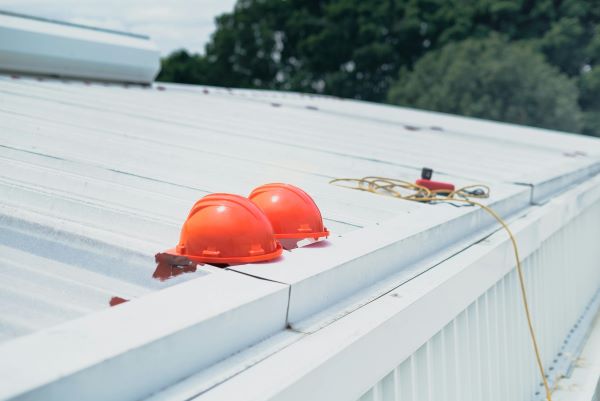
Commercial roofing is a critical aspect of building design and construction that offers multifaceted benefits. By selecting the appropriate material and engaging in proactive maintenance practices, property owners can enhance energy efficiency, extend durability, and maximize overall performance while also positively impacting the environment. As such, it is crucial to carefully consider all factors involved when choosing a commercial roofing system to ensure long-term value for both businesses and their structures.